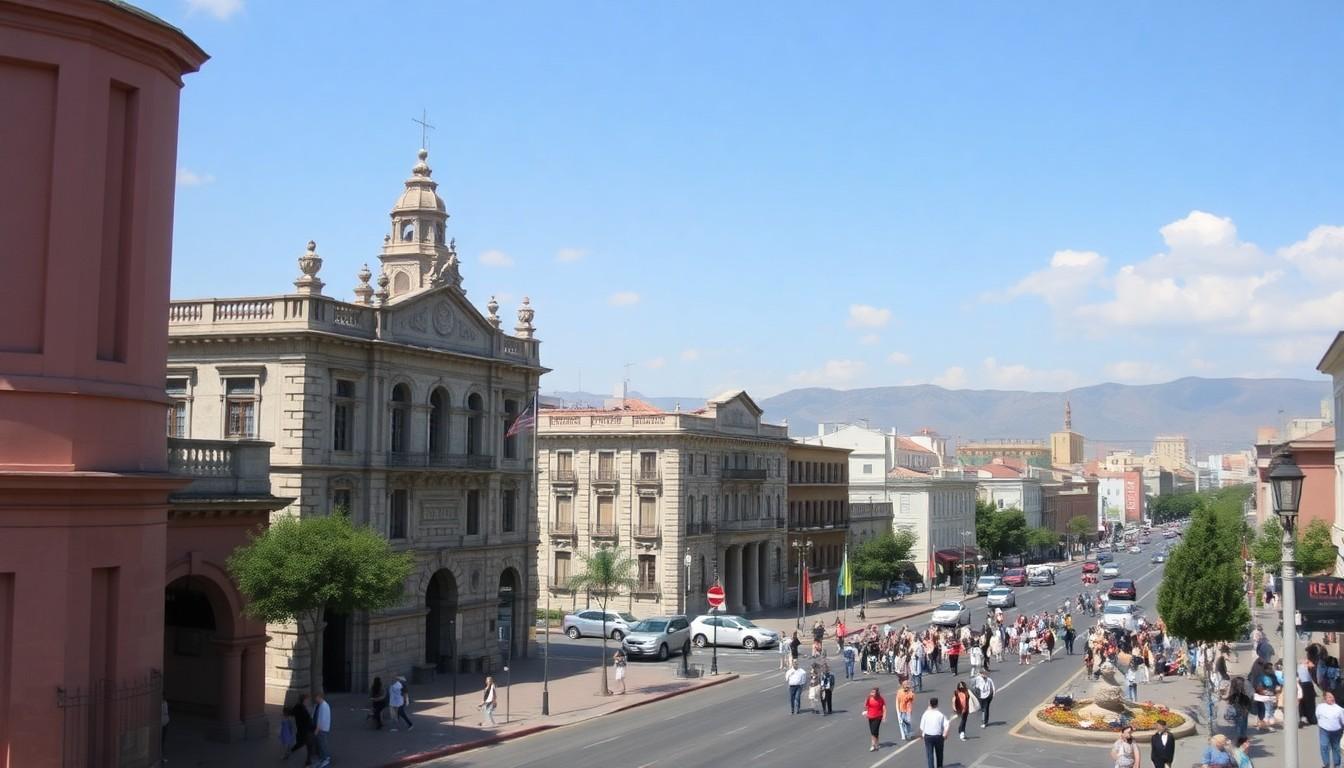
Shoppers are turning out in force and locals are joining the party , Pride TRC 2026 filled Torreón’s streets with colour, music and a message. The 19th edition celebrated legacy, resistance and community, brought services like HIV testing to the public and showed how local activism and family support have changed lives.
Essential Takeaways
- Large turnout: Organisers expected thousands and floats marched through central Torreón with music and dance.
- Visible services: Health booths offered HIV, hepatitis tests and legal aid, making the event practical as well as festive.
- Local talent on show: Performances, from tributes to regional singers to drag-style acts, drew applause and community warmth.
- Institutional backing: State representatives and a local equality office attended, signalling growing official recognition.
- Generational impact: Organisers stressed that family acceptance and youth engagement are among the movement’s biggest wins.
A bright, practical Pride: colours and health checks
The parade began mid-afternoon on Calle Galeana and stretched from Abasolo to Allende, and it wasn’t just about costumes and rainbows , there were practical touches too, like free HIV and hepatitis testing. That blend of celebration and services means Pride is both joyful and useful, especially for people who might not otherwise access health checks.
Organisers arranged stalls from the Defensoría Pública alongside a small entrepreneur market called “La Mercadita”. So while music played and people posed for photos, there was also an easy way to get support or information.
Floats, music and local performers , a community on stage
By early evening colourful floats were lining up to lead the march through the city centre, with DJs, dancers and live acts keeping the energy high. On the corner of Galeana and Abasolo, performers imitated regional stars and received loud ovations , the crowd loved it.
These performances are important culturally as well as politically; they offer visibility in a warm, accessible way. For many attendees the music and familiar faces made Pride feel like a street party where identity is celebrated, not hidden.
From marches in other towns to a regional movement
Organisers celebrated that Pride-style marches are spreading to neighbouring municipalities such as Matamoros, San Pedro, Francisco I. Madero and Gómez Palacio. The message was clear: Torreón’s event may be the largest, but solidarity is growing across the region.
The expansion shows how local activism can ripple out. For people choosing where to attend or set up similar events, the takeaway is simple , partner with local services and provide clear, visible support so gatherings feel safe and worthwhile.
Official attendance: legitimacy without politicking
A state government representative attended, and Pride leaders were careful to stress that official presence isn’t about politicking but about legitimising the community’s place in public life. The Office for Promoting Equality helped coordinate participation, marking one more institutional nod to long-term activism.
That kind of recognition matters. It doesn’t solve everything overnight, but when agencies show up, it normalises inclusion and makes it easier for activists to press for concrete rights, like marriage equality and identity changes.
Personal wins: family acceptance and legal progress
Speakers noted real, hard-won achievements over nearly two decades , same-sex marriage, adoption rights and legal changes for gender identity. Yet what resonated most was the personal story of acceptance: activists bringing nephews and nieces to the march, reflecting how family support has become a chief victory.
That human angle is what keeps volunteers coming back. For anyone organising or attending next year, remember: visibility works when it’s paired with relationships and everyday kindness.
It's a small change that can make every march and every conversation safer and more visible.
Source Reference Map
Story idea inspired by: [1]
Sources by paragraph: