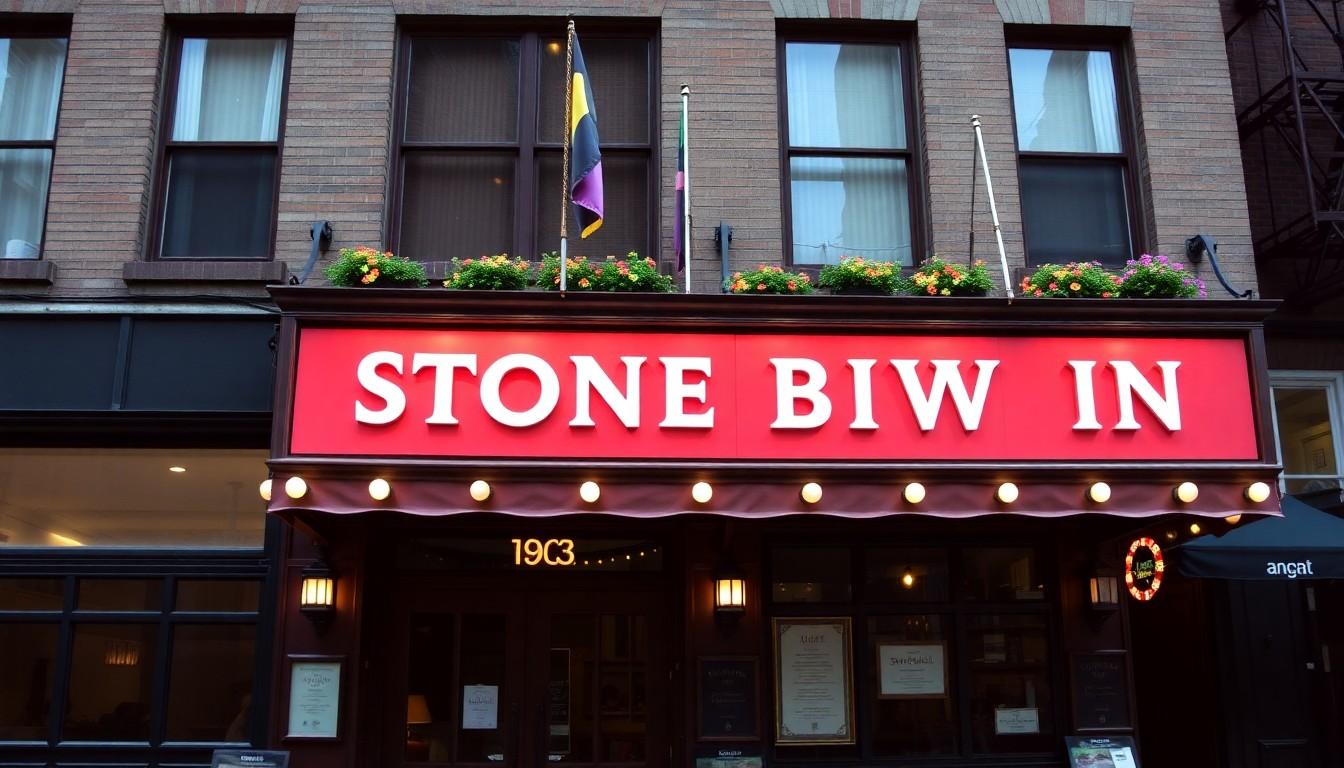
Bursting with colour and community, Pride Month once again filled streets from New York to San Francisco and beyond; the month-long celebration traces back to the Stonewall uprising and matters because it blends celebration, protest and visibility for LGBTQ+ people worldwide.
Essential Takeaways
- Historical roots: Pride grew from the 1969 Stonewall uprising in New York and now spans cities on every continent.
- Major parades: New York and San Francisco hosted landmark parades that drew huge, jubilant crowds and vivid imagery.
- Global reach: From Europe to Africa and Asia, festivals mixed local culture with shared messages of rights and celebration.
- Practical vibe: Events ranged from huge, noisy marches to intimate vigils , expect crowds, music, and strong visuals.
- Community tone: For many attendees Pride felt uplifting and defiant, a blend of party and political statement.
A vivid legacy: where Pride began and why it still matters
Pride Month’s urgency and energy come straight from a single week in June 1969 when patrons of New York’s Stonewall Inn resisted a police raid, sparking a movement that transformed into annual marches and, eventually, a month of global observances. History.com explains how those first rebellions set the tone for visibility and organising that followed. The emotional texture is obvious in photos from parades , faces alight, banners high, confetti and rainbows giving a tactile sense of hope and refusal. For older activists, Pride remains a reminder of hard-won fights; for younger attendees it’s a place to meet, celebrate and educate.
The big city parades: New York and San Francisco in full colour
This year’s headline parades in New York and San Francisco acted like magnets, drawing thousands who marched, watched and took photographs that captured both joy and resilience. Reportage and galleries show not only costume and pageantry but also the logistical scale , street closures, floats, and a constant stream of performers. Local guides, like those from Axios covering San Francisco’s weekend events, offer tips on where to stand, which sister events to drop into, and how to navigate crowds if you’re visiting. If you go, wear comfortable shoes, bring water, and pick a meeting spot with phone signal in case your group separates.
Pride beyond the usual suspects: festivals across the globe
Photos from AP editors and international dispatches highlight marches and festivals beyond North America , in European capitals, African cities and across Asia , each adding its own cultural texture to Pride. In some places Pride is an elaborate street party; in others it’s a braver, more explicitly political protest against local laws and attitudes. That contrast is important: while the rainbow is universal, the risks and rituals are local. Attending a Pride abroad? Check local guidance on safety and rights, and remember that what’s festival in one city can be a protest in another.
How photographers frame Pride: the images that stick with us
Photo editors curate more than pretty pictures; they shape the narrative by choosing moments that show emotion, conflict, humour and community. The best frames combine the immediate , a laughing child smeared in paint, a tired marcher with a placard , with the broader story of why people gather. Those visual stories are powerful shorthand for the month’s mix of joy and grievance, and they’re why galleries often lead news coverage. If you’re shooting Pride yourself, look for candid moments and natural light, and always ask consent before photographing people in vulnerable positions.
Practical advice for attending or watching Pride this year
Whether you’re planning to march, spectate, or follow galleries online, a little preparation goes a long way. Aim to arrive early to secure a spot, charge your phone and pack a small day bag with water, sun protection and snacks. Keep an eye on official parade routes and transport changes; major cities publish guides listing road closures, viewing areas and accessible services. And if you’re watching images at home, take time to read captions , they’re the bridge between an emotive photo and the on-the-ground reality it represents.
It’s a small change of routine that can open your eyes: seeing Pride through pictures and in person reminds us why visibility, protest and celebration are so often braided together.
Source Reference Map
Story idea inspired by: [1]
Sources by paragraph: