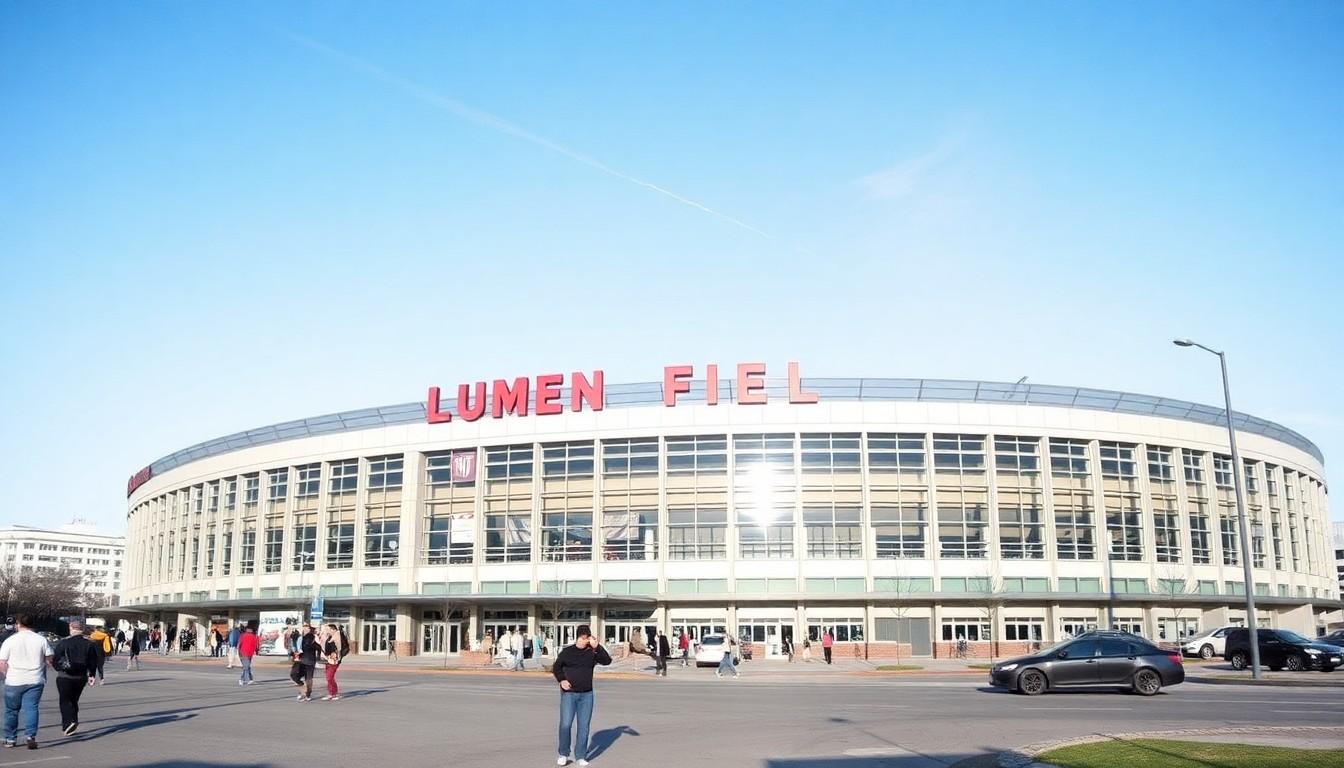
Shoppers of symbolism noticed a sudden U‑turn: Seattle’s planned Pride Match Day for the World Cup was scrubbed after Egypt and Iran asked FIFA to block public LGBT+ displays, leaving organisers, fans and activists asking why inclusion can be paused to avoid diplomatic discomfort.
Essential Takeaways
- What happened: FIFA confirmed no official Pride activities or rainbow flags would take place at the Egypt v Iran match in Seattle, after protests from both federations.
- Who objected: Iran and Egypt received formal assurances and successfully pushed to cancel scheduled Pride promotions inside the stadium.
- Emotional tone: The decision felt like a blunt, awkward compromise to many , supporters called it disappointing and hypocritical.
- Practical effect: Local Pride plans were scaled back; fans still intended informal expressions, but official ceremonies won’t be held.
- Why it matters: The move highlights a tension between global events’ inclusion pledges and the diplomatic sensitivities of hosting teams from repressive jurisdictions.
The hook: a Pride match that never was
Seattle had imagined a vivid scene , banners, community guests, the city’s rainbow energy woven into a World Cup fixture timed near the Stonewall anniversary. Instead, the official Pride initiatives were quietly cancelled after Egypt and Iran flagged objections, according to reporting in major outlets. You can picture the clash: a stadium meant to celebrate visibility rendered muted by the demands of visiting federations.
Organisers say the intention was simple , mark inclusion and support a visible community during a global sporting moment. But when the draw paired two teams from countries where LGBT+ rights are severely restricted, the plan collided with hard diplomatic realities. The result reads like modern event management: well-meaning planning, followed by a cautious retreat.
Why federations and FIFA pushed back
Reports indicate that both federations sought reassurances that no official Pride promotion would take place. FIFA, mindful of maintaining neutrality and avoiding diplomatic incidents, acceded. The move was framed as respect for cultural sensitivities; critics see it as a pragmatic capitulation to repression.
Context helps explain the pressure. Iran formally allows capital punishment for same‑sex relations; Egypt prosecutes or persecutes LGBT+ people in practice. When governing bodies from such countries voice discomfort, tournament hosts and organisers face a choice: press the point and risk escalation, or step back to keep the show on the road. FIFA chose the latter.
The optics: inclusion promises meet global politics
This episode feeds a growing conversation about how global sporting events balance human rights commitments with the realities of which nations take part. It’s jarring to see a city famous for Pride symbolism scale back public rituals because visiting teams object, and people aren’t shy about calling it hypocritical.
Meanwhile, local activists and fans are left to decide how to respond. Some say private, grassroots visibility will persist , flags in the stands, chants from supporters, small acts that reclaim the moment. Others argue organisers should have foreseen the clash and planned differently, perhaps by designing inclusive activities that don’t single out particular matches.
Practical takeaways for organisers and fans
If you’re planning inclusive events around global tournaments, there are a few lessons here. First, map possible matchups and diplomatic sensitivities early. Second, consider decentralised celebrations , community hubs, fan zones and fan‑led initiatives that don’t depend on host‑body sign‑off. Finally, communicate clearly with fans about what’s official and what isn’t, so expectations match reality.
Fans who value visibility can still make choices: wear rainbow items, join community watch parties, or support groups doing rights work. Those are quieter acts but they keep solidarity alive without relying on event organisers to make a potentially fraught decision.
Looking forward: can sport ever be truly neutral?
This decision raises a larger question: can global sport credibly claim neutrality when human rights are at stake? Some argue that stepping back to avoid offence is pragmatic and allows the event to proceed; others say neutrality becomes complicity when it silences marginalised voices.
Either way, the Seattle episode is a reminder that symbolism in sport is powerful but fragile. If inclusion is to mean anything, organisers, federations and fans will need to be clearer about where they draw lines , and prepared to defend them, or accept the costs of not doing so.
It's a small change that can make every cheer and every banner count , but only if people decide what they really stand for.
Source Reference Map
Story idea inspired by: [1]
Sources by paragraph: