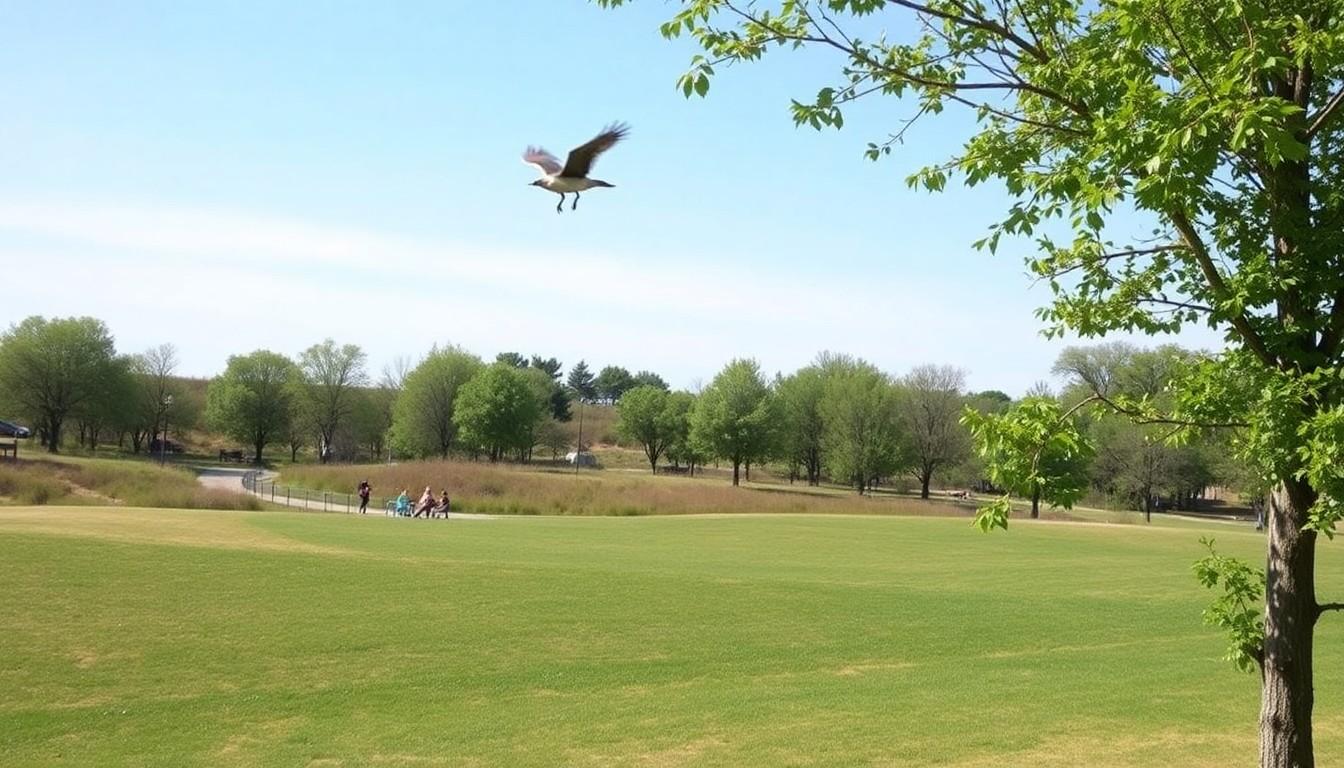
Shoppers are turning parks into community rooms , Chicago BIPOC Birders hosted a Pride Sit at Rainbow Beach Park, bringing LGBTQ+ families together to watch shorebirds, swap spotting tips and celebrate queerness in nature. It’s a gentle, visible reminder that outdoor spaces can be welcoming, local and downright restorative.
Essential Takeaways
- Community-led: Chicago BIPOC Birders organises walks and “bird sits” across the city to create inclusive spaces for Black, Indigenous and people of colour who love birds.
- Low-key Pride: The Pride Sit offered a quieter Pride option , blankets, binoculars, soft conversation and bird songs instead of loud festivities.
- Accessible gear: Organisers supplied binoculars and field guides, making it easy for first-time birders to join in.
- Queer nature links: Speakers noted how bird behaviour , same-sex pairings, sex changes in some species , can feel validating for LGBTQ+ people.
- South Side focus: Events on the South Side prioritise visibility where outdoor recreation groups are less common.
A tern, a tattoo and a whole new hobby
Zelle Tenorio still remembers the thrill of watching a Caspian tern snatch a fish , so much so that they got a tattoo to mark the moment. That small, vivid scene is the kind of sensory flash that convinces people to pick up binoculars and never look at a shoreline the same way again. According to organisers, these moments are exactly what BIPOC Birders want to multiply: quiet, joyful encounters people can share without feeling othered.
From pandemic loneliness to an affinity space
The group grew out of a post-pandemic yearning for connection and a desire to push back on a stereotype that birding is mainly for older white folk. Maddie Fernandez says there was a real need for an affinity space where people could learn, laugh and see local wildlife in company. The approach is simple: meet in parks, bring extras of the essentials and let curiosity lead the way.
Pride without the party: why a bird sit works
Not everyone wants Pride to be a parade or a club night. The Pride Sit offered a gentler alternative: blankets on the sand, the honk of distant gulls and people pointing out a sandpiper mid-flight. For attendees like Joseline Salmeron, it was a way to celebrate identity that felt quiet and whole. Events like this show that Pride can mean community time in nature as much as it means downtown celebrations.
Birds as queer mirrors , and why that matters
Organisers talked about how many bird species display behaviours that don’t fit narrow human notions of gender and sex: same-sex pairings, intersex individuals and even sex changes in some animals. Those facts aren’t just trivia; they can be deeply validating for queer people who visit these spaces. People said they felt seen when they learned how messy and varied nature actually is , a comforting counterpoint to the idea that wildlife must map neatly onto human categories.
How to join a birding meet-up and what to expect
If you’re curious, don’t worry about being expert. Clubs like Chicago BIPOC Birders and groups such as Feminist Bird Club or Urban Bird Collective emphasise accessibility: bring a water bottle, dress for the weather, and try a pair of borrowed binoculars. Look for events in local parks, especially on the South Side where organisers are keen to build visibility. Expect a mixed crowd , from students to long-time birders , and a relaxed pace that favours noticing over racing.
It's a small change that can make every outing feel more welcoming.
Source Reference Map
Story idea inspired by: [1]
Sources by paragraph: