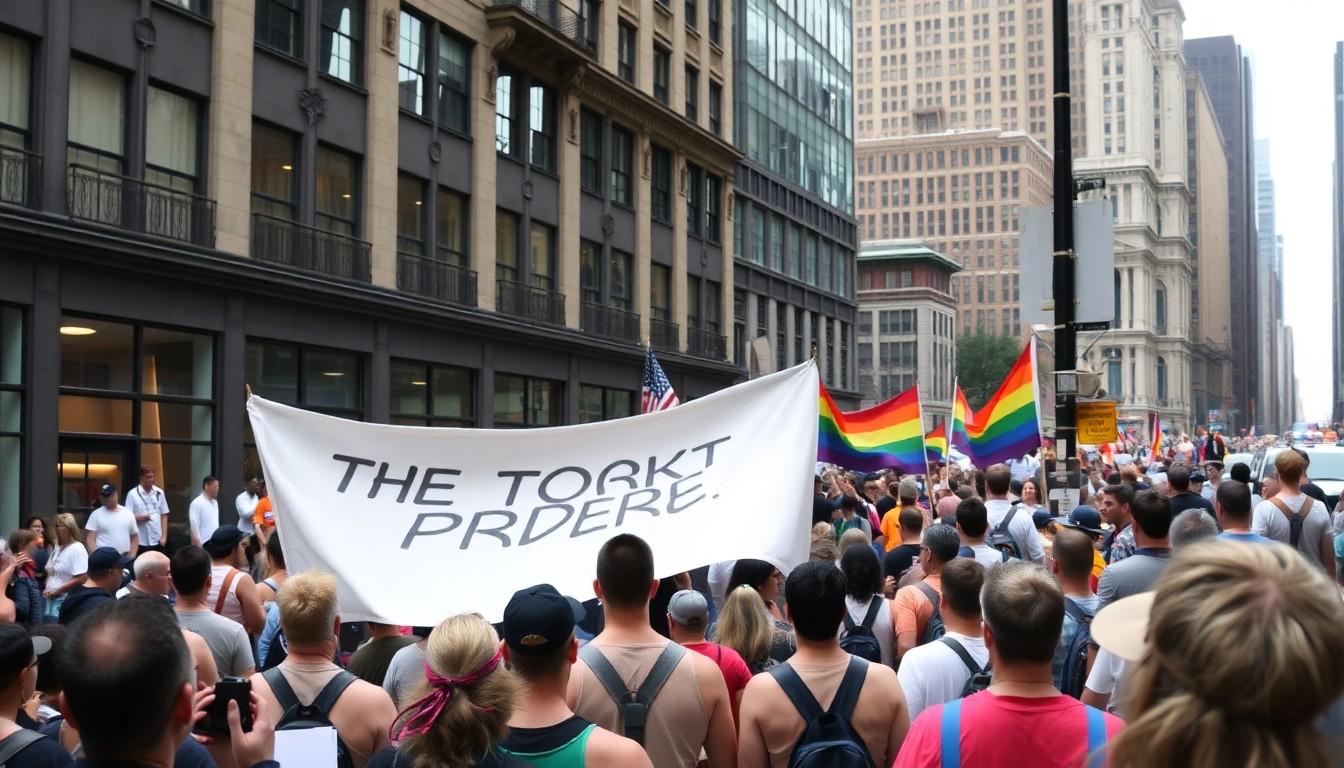
Watch the city sparkle: crowds flock to Manhattan for the annual NYC Pride March, kicking off Sunday with the theme “For All of Us” , a salute to Stonewall and a focus on uplifting trans and nonbinary communities. Here’s a practical, people-friendly guide to street closures, timing, grand marshals and what to bring.
Essential Takeaways
- When: The march starts at 12pm on Sunday, June 28 , plan to arrive early for good spots.
- Where it forms: Formation area is on 5th Avenue between 33rd and 25th Streets; route runs down 5th Avenue toward Greenwich Village.
- Route highlights: Parade moves through Greenwich Avenue, Christopher Street and down 7th Avenue, finishing near 15th Street.
- Cost: Free to attend and walk; surrounding activities and VIP options may charge.
- Vibe and safety: Organised by Heritage of Pride with internal security measures; event centres inclusivity and safety for trans and nonbinary people.
Where to stand: best viewing spots and street closures
If you want a front-row moment, aim for the formation area near 26th Street and 5th Avenue , that’s where things kick off and the energy is electric, with colourful floats and performers warming up. Streets around 25th–33rd between 5th and Madison will be closed for formation, so expect crowds and limited vehicle access.
According to parade maps, the main route runs along 5th Avenue from 25th Street down to 8th Street, then through Greenwich Village on West 8th and Christopher Street before heading up 7th Avenue. CBS News and local outlets have published closure lists, so check them the morning of for last-minute changes. Bring comfortable shoes , you’ll be on your feet, and the ground feels different after hours of cheering.
What the theme means , “For All of Us”
This year’s theme, “For All of Us”, draws inspiration from Marsha P. Johnson’s famous sentiment about liberation. It’s a deliberate effort to centre those too often pushed to the margins, especially trans and nonbinary folks. Heritage of Pride announced the theme to emphasise solidarity and visibility across the community.
You’ll see that reflected in programming and speakers; the language of inclusion is front and centre. For spectators, it’s a reminder that Pride remains both celebration and protest, joyful and purposeful at once.
Who’s leading the march: grand marshals and performers
The grand marshals bring a mix of activism, entertainment and advocacy , names this year include Dominique Jackson, Peppermint, Bernie Wagenblast, Bowen Yang and the group Gays Against Guns. Their selection highlights media impact, entertainment influence, and grassroots organising.
Expect a blend of speeches, performances and moments of remembrance, particularly around historic sites like the Stonewall National Monument. If you follow the route through Christopher Street, you’ll pass iconic landmarks that codify why Pride happens here.
Practical planning: arrival, transport and accessibility
The parade’s dispersal is around 15th Street and 7th Avenue, so plan your exit strategy ahead of time. Transit will be busier than usual and some streets will be closed , check MTA updates and local news for reroutes. If you’re driving, you’ll want to drop passengers well outside the closure zones and walk in.
Heritage of Pride and local outlets note that the march is designed to be accessible, but crowds can be dense. If you need quieter spaces, arrive early or scope locations along Greenwich Avenue and lower West Village where foot traffic spreads out more. Carry water, sun protection, and a small battery pack for your phone.
Safety, code of conduct and extras worth knowing
Heritage of Pride manages security internally and has policies intended to create a welcoming space; previous decisions include restrictions around uniformed recruitment to make some attendees feel safer. Organisers typically publish safety guidance and volunteer-staffed help points , look for those if you need assistance.
If you’re tempted by food stalls and side events, remember those can cost money. The main march and PrideFest are free, but special parties or VIP experiences usually charge. Bring cash and cards, and be mindful of pickpocketing in crowded spots.
It's a small change that can make every cheer and step feel more comfortable and meaningful.
Source Reference Map
Story idea inspired by: [1]
Sources by paragraph: