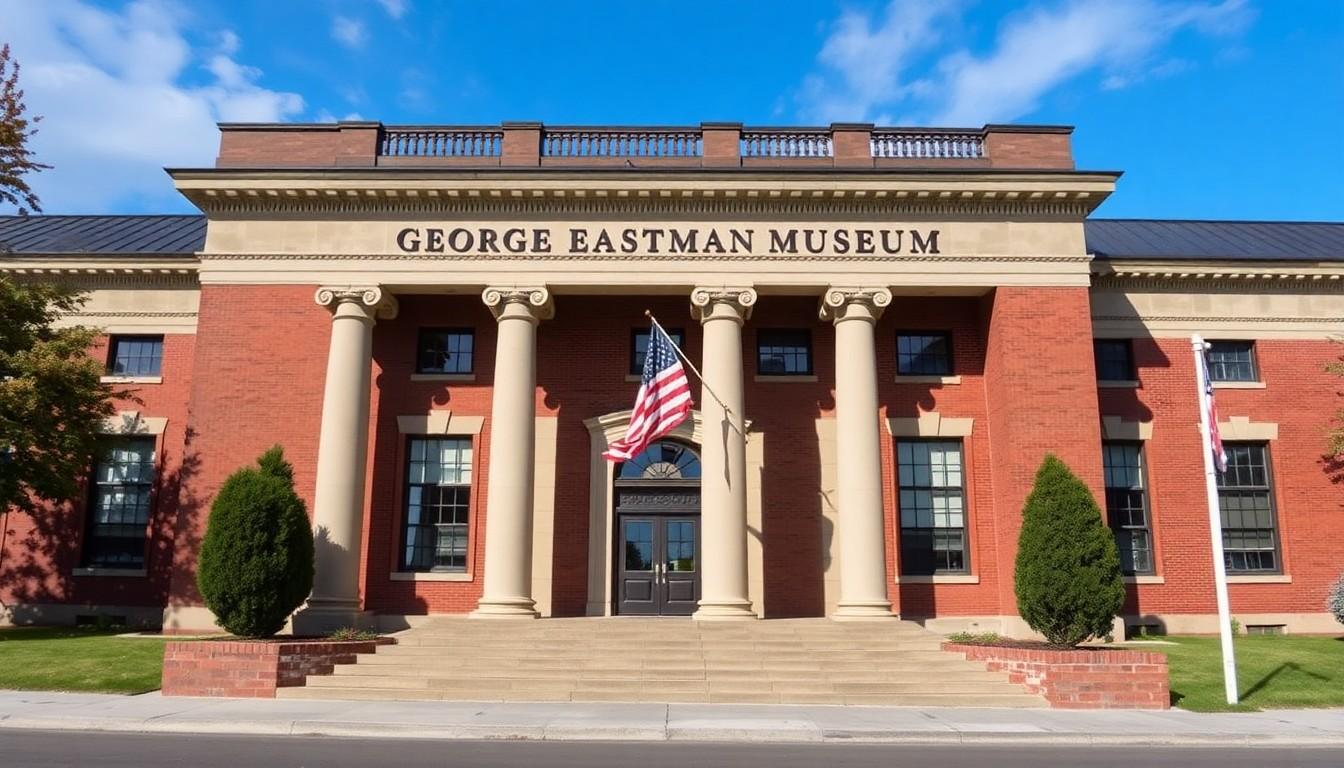
Shoppers and museum-goers are discovering a local story with national impact: the George Eastman Museum’s new Picturing Equality show traces how Kodak employees organised as the Lambda Network to push for LGBTQ+ rights, change benefit policies and shift workplace culture , a timely look at diversity and inclusion in practice.
Essential Takeaways
- Local roots, national reach: Kodak’s Lambda Network helped pioneer employer-led LGBTQ+ inclusion that influenced corporate policy beyond Rochester.
- Hidden histories revealed: Oral histories and personal archives rescued from basements make the exhibit intimate and photographic.
- Practical wins: The group helped secure domestic partner benefits and executive support for nondiscrimination efforts.
- Accessible storytelling: The show mixes photos, documents and first-person accounts; it’s easy to engage with and quietly powerful.
- Run dates: The exhibition runs from late June through early November, tying into Pride Month and local film festivals.
Why this exhibit feels personal , and why that matters
Step into the gallery and you immediately get a human sense of the stakes: portraits are paired with letters, meeting minutes and the odd office memo, and you can almost hear the strain of secrecy that cloaked many employees in the 1980s and 1990s. The curators leaned on oral histories collected by researchers at Rochester Institute of Technology, and that vivid, first-person material makes the history feel lived-in rather than abstract. It’s the sort of tactile storytelling that helps visitors understand why being out at work was once literally risky.
How Kodak’s employees moved from private lives to policy wins
The Lambda Network began as a small group of co-founders who wanted colleagues to see them as whole people, not rumours or assumptions. Over time, their advocacy translated into concrete changes: domestic partner benefits, internal awareness efforts and Kodak executives testifying in support of nondiscrimination. Researchers found that those workplace wins rippled outward , other companies watched, and the idea that inclusion was both ethical and good for business gained traction. For anyone wondering about the mechanics of change, this exhibit shows how grassroots employee groups can shift corporate practice.
Archives rescued from attics , why that’s a historian’s dream
When Kodak’s corporate fortunes shifted, a lot of material became dispersed, but members of the Lambda Network kept records safe in homes and garages. RIT historians and museum staff combed those private archives, bringing documents that weren’t previously available into a public narrative. That archival rescue means the show is rich in unexpected artefacts , flyers, candid photos, internal memos , and it’s a reminder that community memory often lives outside official records. For researchers and relatives alike, the exhibit is a small triumph of preservation.
What the exhibit teaches workplaces today
There’s a clear throughline from the Lambda Network’s tactics to modern diversity, equity and inclusion work: employee resource groups can persuade executives, influence marketing and change benefit structures. The show underscores the practical side of inclusion , from building trust on teams to reducing the emotional tax of hiding one’s identity , and explains why some companies now see diversity as a strategic advantage. If your workplace is debating DEI, this local case study offers a model for listening, allyship and persistent advocacy.
Visiting tips and what to look for
The exhibition is timed to coincide with local Pride events and the Image Out Film Festival, so plan a visit around those programmes if you want extra context and community events. Look out for panels and talks where surviving members and researchers discuss the Network’s strategies; hearing participants speak adds texture you won’t get from labels alone. The photos are both elegant and homey, so give yourself time to linger , some of the quiet captions say more than you might expect.
It’s a compact, moving reminder that workplace change is often local, patient work , and that those small acts can reshape industries.
Source Reference Map
Story idea inspired by: [1]
Sources by paragraph: