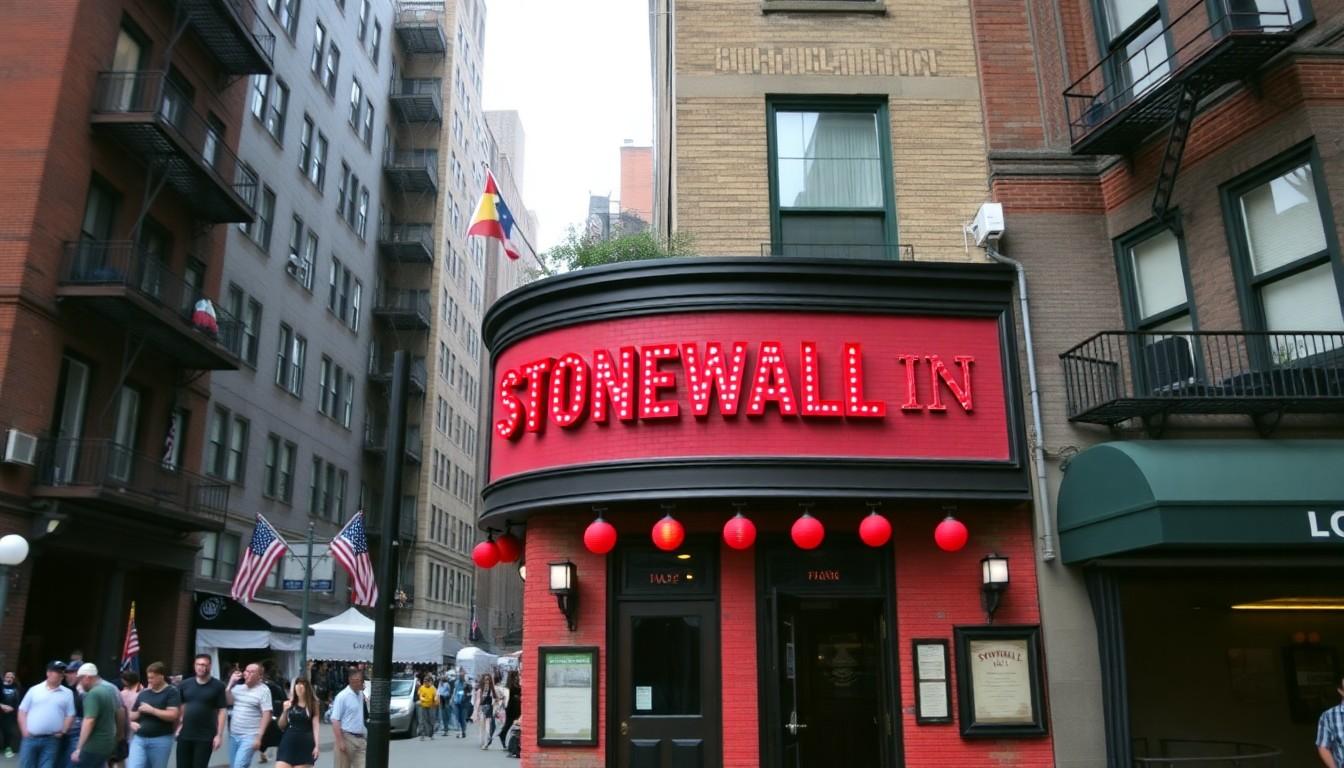
Shoppers and viewers alike are tuning into local coverage that feels both celebratory and grounded , PIX11’s half-hour Pride special, hosted by Emmy winner Geovany Dias, offers a sunny, human portrait of LGBTQ+ life in New York City and why these moments still matter.
Essential Takeaways
- Warm, straightforward coverage: PIX11 presents Pride stories in a calm, relatable way that feels comforting rather than sensational.
- Historic setting: The special is anchored at the Stonewall Inn, with the Pride flag and monument forming a textured, meaningful backdrop.
- Community breadth: Reports range from queer sports leagues to senior centres in Harlem, showing generational and social variety.
- Trustworthy presentation: An experienced host and on‑the‑ground reporting give the show credibility and a friendly tone.
- Good for newcomers: The short format is easy to watch and useful if you want a quick, upbeat primer on NYC Pride this year.
Why PIX11’s half-hour felt like a neighbourhood reunion
PIX11 chose tone over spectacle, and it pays off. The host, Geovany Dias, stands outside the Stonewall Inn , a place that still hums with history , and guides viewers through personal, oddly soothing vignettes. The result is TV that feels like being invited to a block party: familiar faces, small triumphs, and a few quiet, weighty reminders.
Local TV has an advantage here. Unlike sweeping national specials, this one homes in on day‑to‑day life: sports leagues practising in the park, seniors finding a social anchor, volunteers fundraising. That sense of texture is what makes the episode linger after it finishes.
Why the Stonewall backdrop still matters
Placing segments around the Stonewall Inn was a deliberate choice. The flag flying again over the National Stonewall Monument and related ceremonies are more than photo ops , they connect today’s celebrations to a long, sometimes painful history. Reporting that link calmly, without melodrama, helps viewers of all ages understand why Pride is both party and protest.
Major outlets have been tracking similar moments this season, and PIX11’s local lens complements broader coverage by focusing on community reaction rather than headline politics. If you’re curious about symbolism versus day‑to‑day impact, this special gives both in small, digestible bites.
Small stories, big heart: from queer sports to senior centres
One of the nicest things about the special is how ordinary the stories feel. A segment on queer sports leagues shows people laughing, training and competing , nothing flashy, just community-building. Likewise, a report on LGBTQ+ senior centres in Harlem illustrates how older queer residents are finding belonging and practical support.
These scenes matter because they show Pride isn’t just a parade or a headline; it’s Saturday morning basketball, shared meals, and quiet check‑ins. If you’re choosing what to watch this month, pick features that highlight lived experience: they tend to be the ones that stick with you.
What this means for viewers and visitors to NYC
PIX11’s compact format makes it easy to recommend to friends, family or anyone planning to visit New York for Pride. You’ll get a sense of where to go, which neighbourhoods feel lively, and who’s doing the work behind the scenes. For visitors, that local intel beats a generic events list , it’s how you discover neighbourhood fundraisers, volunteer opportunities, and smaller gatherings that often surprise.
Practical tip: follow up the special with local listings and community pages to find volunteer draws, smaller marches or senior‑friendly events that aren’t always in the main guides.
How local journalism shapes the Pride narrative going forward
Local stations like PIX11 play a quiet but essential role: they document how a city actually lives its Pride, not just how it looks from above. That steady, human reporting can help shift conversations from controversy to community, showing how rights, services and celebrations intersect on the ground.
If anything, the special is a reminder that progress is both visible and ordinary. Seeing familiar faces reclaim space in Harlem or on the sports field makes the idea of inclusion feel achievable rather than abstract.
It's a small change that can make every cheer and conversation feel a bit safer.
Source Reference Map
Story idea inspired by: [1]
Sources by paragraph: