Shoppers and travellers are turning to hotels that do more than offer a bed , they set the tone for an inclusive trip. From Kyoto’s serene ryokan-style stays to Okinawa’s tropical resorts, these LGBTQ+ friendly hotels across Japan combine thoughtful policies, visible support and welcoming services that make a holiday feel safer and more relaxed.
Essential Takeaways
- Clearly stated policies: Some hotels display anti-harassment and non-discrimination statements, so guests feel safer on arrival.
- Accredited inclusivity: A few properties hold IGLTA recognition or local certifications that signal formal commitment.
- City hubs and calm retreats: Options range from nightlife-adjacent hotels near LGBTQ+ districts to quieter, restorative resorts.
- Practical amenities: Look for transport links, accessible facilities, and LGBT-focused staff training to match your needs.
- Atmosphere matters: From soothing gardens to lively public spaces, the feel of the hotel often reflects how genuine its welcome is.
Kyoto: quiet luxury that announces its welcome
Tou Nishinotoin Kyoto offers a hushed, elegant experience with a Japanese garden, library and large bath that invites a deep breath after wandering the city, and it publicly forbids harassment so guests can relax without edge. According to the hotel’s information, that stance is displayed at reception and supported by staff, which makes it a good pick if subtle reassurance matters to you. If you like a blend of traditional tatami and modern comforts, Tou balances both, and the calm, shadowy interiors feel deliberate and restorative. Choose a room facing the garden for a quieter stay, and bring slippers that you don’t mind wearing around communal bathing areas.
Ace Hotel Kyoto: culture, community and events
Ace Hotel Kyoto wears its community credentials on its sleeve, mixing restaurants, a bar and a creative public programme with guest rooms that range from tatami suites to dog-friendly options. The property is active in hosting LGBTQ+ events and has been recognised in travel awards, which makes it a lively pick if you want to stay somewhere that’s also a cultural hub. It’s ideal for travellers who enjoy bumping into locals and other visitors in cafés and pop-ups, rather than staying strictly private. If you’re planning to meet people or attend events, check the hotel calendar before you book so you can time your visit for something that interests you.
Osaka: central convenience and formal recognition
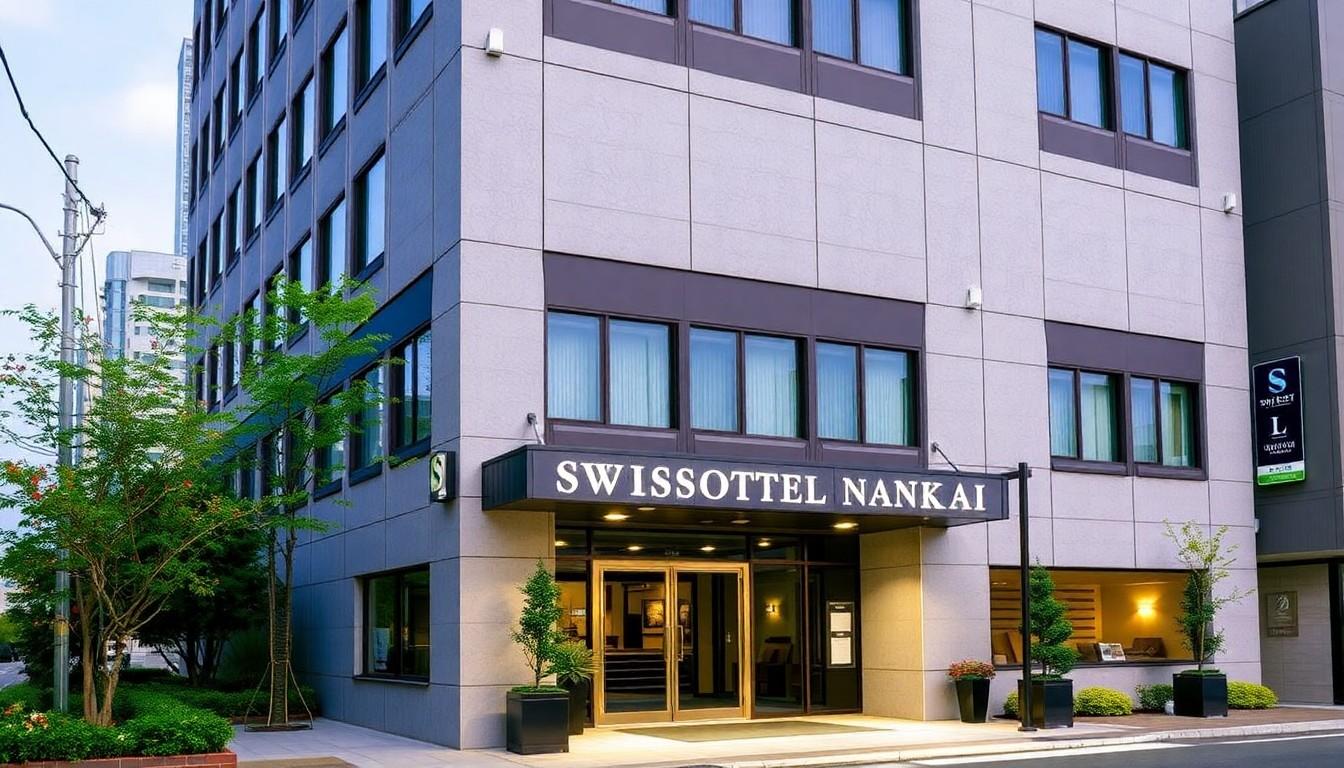
In Osaka, Hotel the Lutheran has joined the city’s push for inclusivity and was certified locally as an LGBT-leading company, positioning it as a quieter base near historic sites like the castle and convenient transport links. Meanwhile Swissôtel Nankai Osaka stands out for being the first hotel in Asia with IGLTA accreditation, a tidy credential if you value internationally recognised standards. Swissôtel’s location above Namba Station is unbeatable for nightlife access, while Lutheran’s calmer neighbourhood suits those who want to explore without the noise. For accessibility and slower-paced mornings, Lutheran’s facilities for elderly or disabled guests are worth noting.
Tokyo: big-city luxury with easy links to nightlife
Capitol Hotel Tokyu in Akasaka brings a luxury stay with direct subway access from its basement, several restaurants and IGLTA membership, which helps LGBTQ+ travellers feel recognised and supported. The Hilton Tokyo promotes a broad “exclusively inclusive” ethos and places you within reach of Ni-chome, Tokyo’s best-known LGBTQ+ neighbourhood, while remaining in a business district with its own leisure facilities. If you want nightlife on your doorstep, pick a hotel closer to Ni-chome; if you prefer a more neutral base with fast transport, Akasaka or the business district are sensible choices. Consider how much evening walking you’re happy with: Tokyo’s neighbourhoods are best explored on foot, but distances can add up.
Okinawa: tropical flags and resort comfort
Okinawa’s Hotel Palm Royal Resort on Kokusai Dori is notable for being a vocal, public supporter of LGBTQ+ tourism with visible flags and staff training, plus multiple pools and renovated facilities for a classic island holiday vibe. Glamday Style Hotel & Resort in Yomitan skews quieter and adult-oriented, with infinity pools and lounge spaces aimed at couples and guests aged 13 and over, making it a calm option for relaxed beach time. If you’re after nightlife and convenience, Palm Royal in Naha places you close to bars and city life; if you want seclusion and sea views, a Yomitan resort keeps things peaceful.
How to choose the right hotel for your trip
Start by matching vibe to itinerary: pick centrally located hotels if you want nightlife and events, choose peaceful ryokan-style properties for a restorative break, and opt for resorts if you’re chasing beaches. Look for formal signs of commitment , IGLTA membership, local certifications or staff training , and read recent reviews from LGBTQ+ guests for the lived experience. Don’t forget practical filters: accessibility, transport links, and on-site bars or dining that fit your schedule. Above all, trust your sense of comfort; the right hotel should make the whole trip feel easier.
It's a small change that can make every stay more relaxed and genuinely welcoming.
Source Reference Map
Story idea inspired by: [1]
Sources by paragraph: