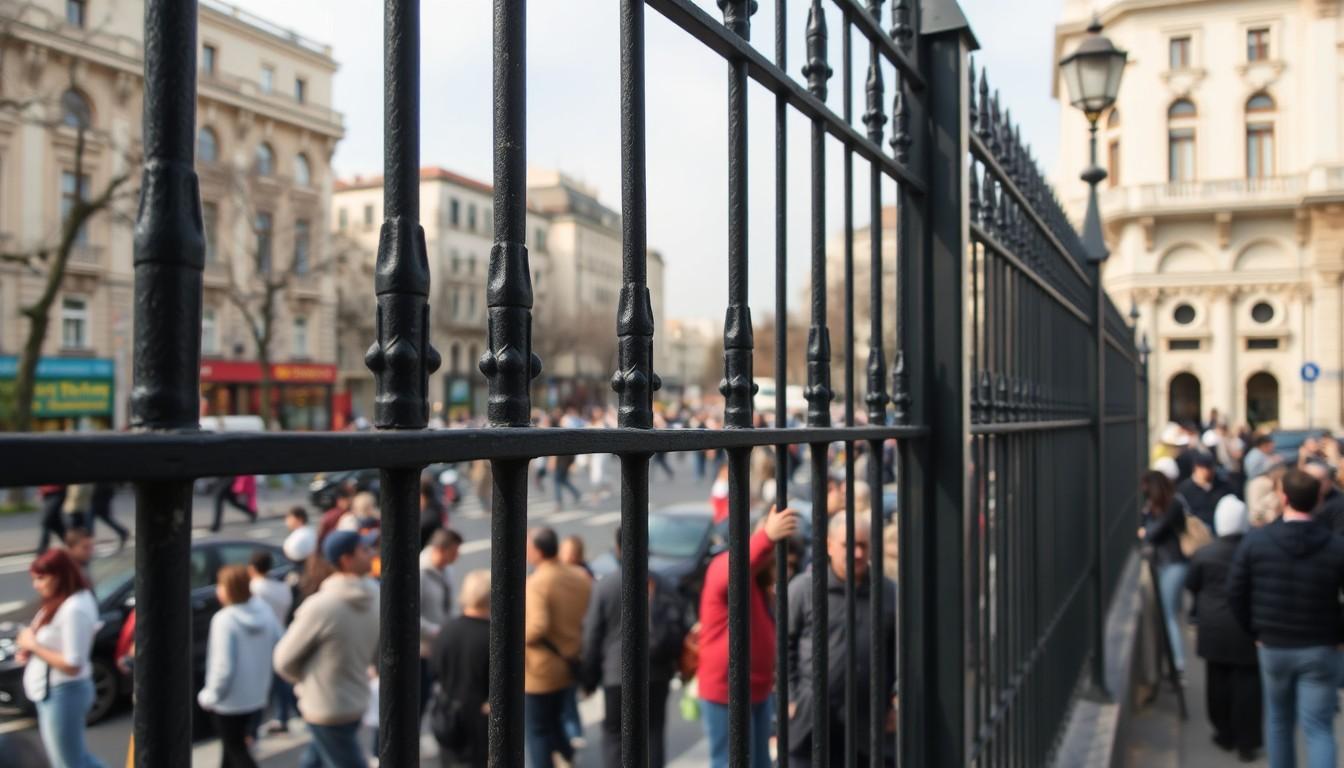
Shoppers, office workers and residents watched as Istanbul’s LGBTQ+ community again took to the streets despite a ban , and police detained dozens. The scene mattered because it highlighted ongoing clashes over free expression, press freedom and public assembly in Turkey.
- At least 50 detained: Police arrested demonstrators and at least one journalist during Pride actions across the city, organisers and reports say.
- Journalist held despite credentials: Müberra Ünsal, identified by the Turkish journalists’ union, was taken into custody after showing press ID.
- Rallies spread beyond Taksim: Authorities sealed off Taksim and other central sites, but protesters marched in several neighbourhoods, including Kadiköy on the Asian shore.
- A pattern of bans: Pride events in Istanbul have faced systematic prohibition and repression since 2015, with tensions rising under President Erdoğan’s government.
- Practical note for visitors: Expect security cordons and transport limits around central squares during politically sensitive dates.
What unfolded at Taksim and beyond
The image that stuck with many was of barricaded streets and a city centre ringed with metal fences, the kind of quiet, rigid geometry that makes cheering voices stand out. According to reports, police blocked off Taksim Square and other meeting points, and public transport was curtailed in places , a pre-emptive squeeze that organisers say was intended to stop the march before it began. Nevertheless, demonstrators moved through multiple neighbourhoods and kept chanting that the day was far from over.
Authorities framed the gatherings as illegal, and police action led to at least 50 detentions. Reuters and broadcast outlets described moments of confrontation, with plainclothes officers intervening when groups tried to assemble. For residents and tourists, the scene was a reminder that public space in Istanbul can feel contested and carefully policed on politically charged days.
Press freedom under pressure , the arrest of a journalist
One arrest that drew sharp reaction was that of Müberra Ünsal, a journalist who organisers and the Turkish journalists’ union said had identified herself as press but was nevertheless detained. That sparked immediate criticism from press freedom advocates and commentators who highlighted a pattern where reporters covering Pride face intimidation or detention. International outlets and local unions noted that reporting on protests has become riskier; the image of a journalist held despite credentials struck many as symbolic of wider restrictions on information and reporting.
If you’re covering a demonstration in Turkey, organisations recommend carrying visible press ID, filing a brief statement with your editor about location and plans, and having a contingency route out of the area. Legal aid contacts and local press unions can be lifesavers if you find yourself stopped.
Why the bans keep happening
Pride parades have been repeatedly banned in Istanbul since 2015, and the rhetoric from the top contributes to the climate. President Erdoğan and some senior officials have publicly criticised LGBTQ+ communities, framing them as contrary to conservative social norms and even linking them to demographic concerns. That political context matters: it helps explain why authorities respond swiftly to Pride plans and why organisers say they are being targeted rather than protected.
Observers point to a broader trend of shrinking civic space in the country. Activists argue that the state’s focus should be on tackling violence against women and hate crimes, not restricting peaceful assembly. For supporters of LGBTQ+ rights, the recurring bans are both a protest point and a call to keep visibility and pressure alive.
How protesters adapted , routes, tactics and solidarity
This year’s actions showed a flexible approach. With Taksim sealed, groups relocated and demonstrated in different districts, from Istiklal Street to Kadiköy on the Asian side. Footage and eyewitness reports captured whistles, songs and banners , human details that cut through the metal fencing and police vans. Legal teams and advocacy groups positioned themselves to offer rapid assistance, while local institutions such as the Istanbul Bar Association publicly showed solidarity by displaying pro-rights banners.
If you’re taking part in or supporting Pride in restrictive environments, simple tactics help: move in smaller groups, use clear meeting points, share real-time updates with trusted contacts, and have phone numbers for legal aid at the ready.
What this means next , a wider debate
The arrests and the police tactics will feed into ongoing debates about civil liberties, the protection of minorities and the role of the media in Turkey. International coverage has amplified the story, and human rights groups will likely continue to document arrests and account for how journalists and activists are treated. For many participants, the act of showing up in different parts of the city felt like an insistence that their existence cannot be legislated out of public life.
The immediate outlook is familiar: continued prohibitions, more legal challenges and persistent grassroots organising. That said, each march, each banner and each report chips away at normalisation of silence.
It's a small change on paper, but for those at the marches it’s a visible stand , and one that keeps the conversation going.
Source Reference Map
Story idea inspired by: [1]
Sources by paragraph: