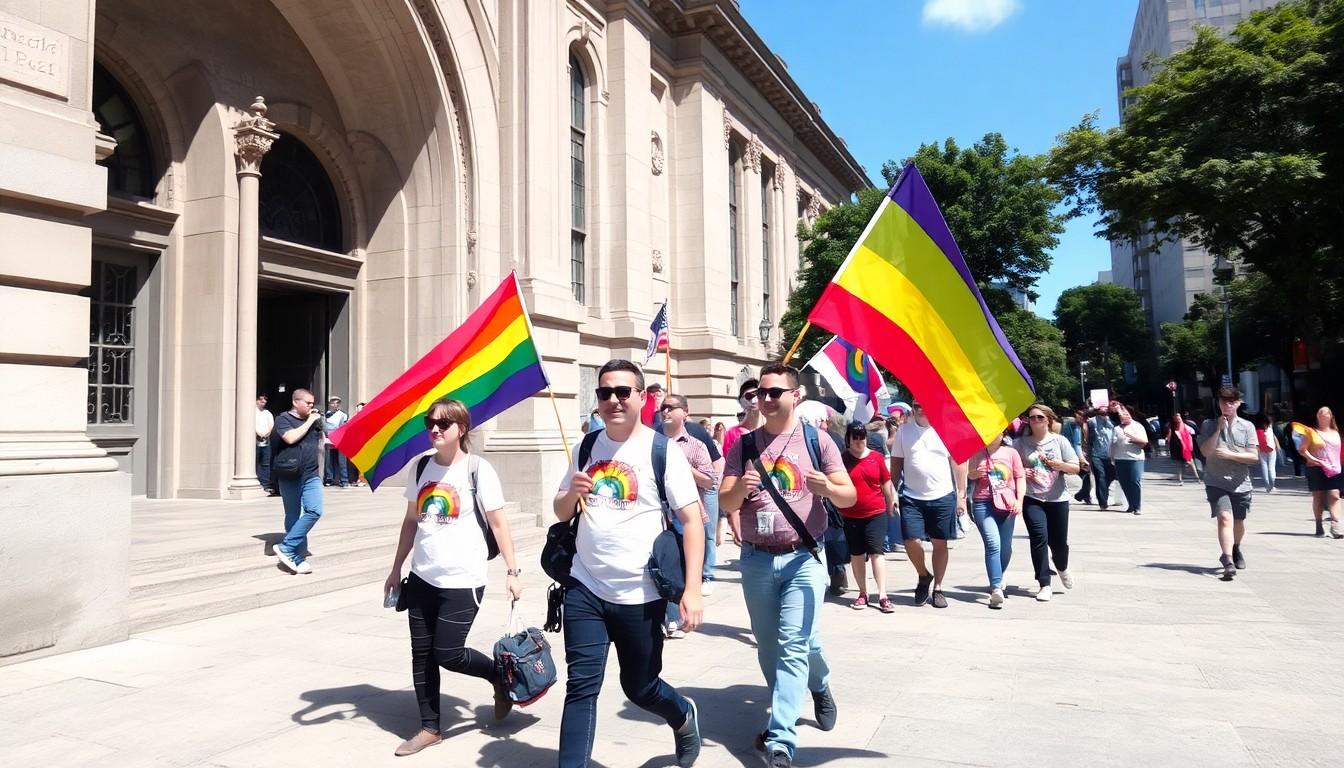
Shoppers are watching Pride unfold in San Francisco as tense moments , a shooting near the Castro, vandalism and verbal and physical harassment of State Senator Scott Wiener , prompt fresh questions about safety during one of the city’s biggest celebrations. Here’s what to know, why it matters, and how attendees can stay safer while keeping the party alive.
Essential Takeaways
- What occurred: A shooting near the Castro and multiple disruptive incidents, including vandalism and confrontations, marred parts of Pride weekend; one suspect was arrested after the shooting and five people were detained during a Trans March clash.
- Who was targeted: State Senator Scott Wiener said he was “harassed, threatened and intimidated” at the Trans March and at a World Cup watch party, describing physical crowding and antisemitic behaviour.
- Police stance: The San Francisco Police Department said it respects First Amendment rights but will not tolerate criminal activity; officers were injured during one protest-related scuffle.
- Atmosphere on the ground: Many attendees still described the weekend as joyful and community-driven, though some noted an extra edge of caution; organisers and officials urge vigilance.
- Practical tip: If you’re going to large events, plan meeting points, watch exits, stay in groups, and report anything escalating to event staff or police immediately.
A shooting near the Castro shook a busy weekend
The sharpest alarm came when a person was shot outside a Pride-area gathering, with police moving quickly and an alleged shooter taken into custody. Witnesses described an abrupt, frightening moment that punctured what had been a celebratory day, with nearby streets suddenly feeling tense and urgent.
Local outlets reported the arrest and three separate accounts painted a picture of fast-moving law-enforcement response. For attendees that means keeping a clear route to exits and noting the nearest medical stations; it’s the sort of practical calm that helps others, too.
Why Scott Wiener’s experience became a focal point
State Senator Scott Wiener said he was chased away from the Trans March after being swarmed, touched and threatened , and that a separate harassment episode at a Mission District World Cup watch party included antisemitic taunts. His account went viral, fuelling debate about where protest and intimidation cross the line.
According to reporting, Wiener called the incidents the first time in decades he’d felt unsafe enough to leave a march. That personal detail landed with a thud for many observers: if an elected official feels unsafe at Pride, what does that say about wider protections for attendees?
Police, protesters and a fraught balancing act
SFPD publicly emphasised its respect for protest rights while warning criminal acts won’t be tolerated. Officers were injured during a confrontation at the Trans March and several arrests were made, underscoring the difficult job of managing large, emotionally charged street demonstrations.
City publications and local outlets noted that crowd control and de-escalation are being scrutinised. For readers, the takeaway is simple: law enforcement aims to keep rights and safety balanced, but event organisers and participants share responsibility for preventing escalation.
The mood wasn’t all fear , community resilience showed up
Despite the incidents, many Pride-goers described joy, solidarity and a determination not to be cowed. Long-time participants said the point of Pride is to show up together; they framed attendance as an act of resistance against intimidation.
That resilience has practical effects: people were more likely to watch out for each other, share situational updates on social media, and congregate in known safe zones. If you’re heading to big public events, follow local voices and official channels for real-time information.
How to enjoy Pride safely: simple, sensible steps
If you’re planning to attend a parade or march, map the area beforehand, pick clear meeting points, and agree on an exit plan with friends. Keep your phone charged, use visible identifiers for your group, and don’t hesitate to move away from crowds that feel aggressive.
Report harassment or threats to event marshals or police as soon as they occur; your call might prevent escalation. And if you want to support the community from home, consider donating to local queer organisations or volunteering at safer-space stations.
It's a small change that can make every celebration feel safer and keep Pride’s message loud and proud.
Source Reference Map
Story idea inspired by: [1]
Sources by paragraph: