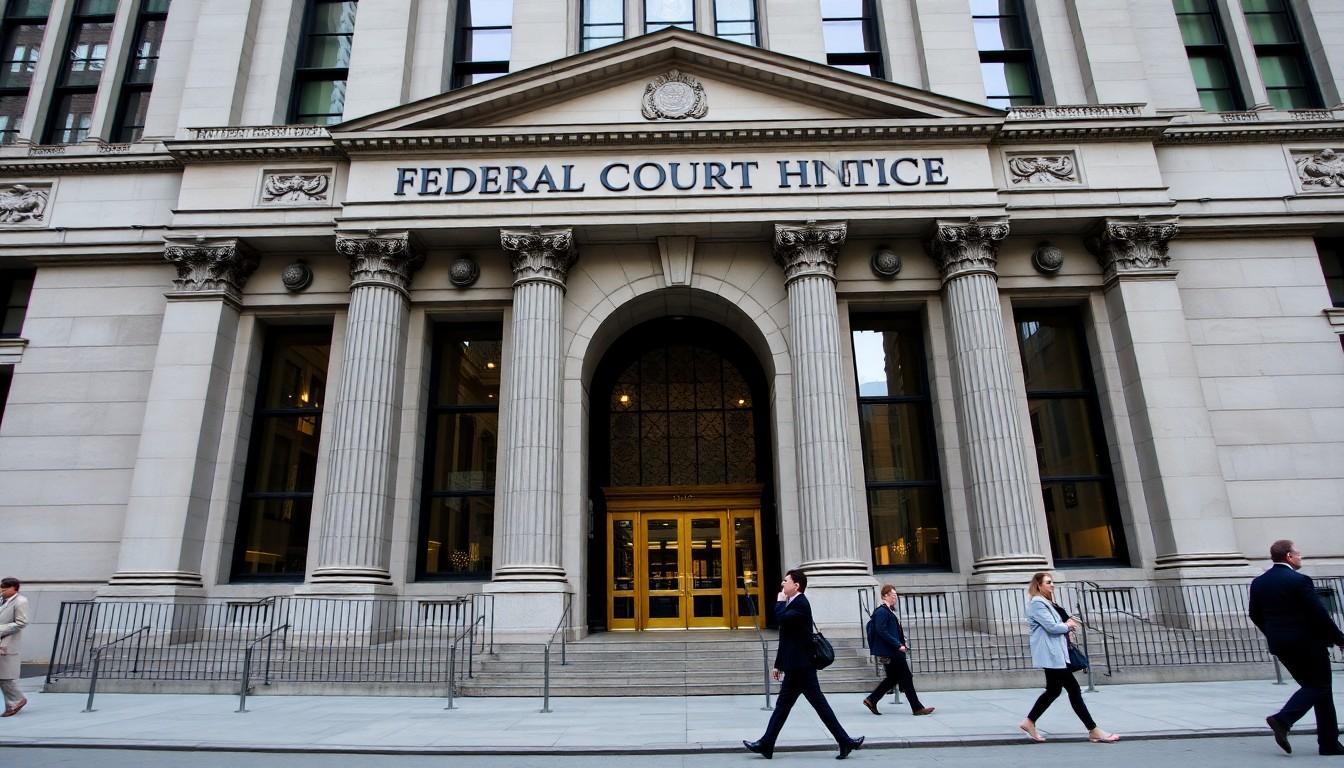
Shoppers, parents and veterans are watching closely as a federal lawsuit pushes the Pentagon to release its memorandum of understanding with Scouting America , a dispute over whether the department quietly shaped the group’s transgender membership rules and why public transparency matters.
Essential Takeaways
- Lawsuit filed: A federal complaint seeks the Pentagon–Scouting America memo and alleges conflicting public explanations about transgender rules, raising transparency concerns.
- FOIA requested: The complainant lodged a Freedom of Information Act request in March; the Pentagon hasn’t produced the record or cited a valid exemption.
- Conflicting accounts: Defence Secretary public remarks described policy tied to biological sex at birth, while Scouting America’s CEO said no policy change took place.
- Practical stakes: The dispute could affect continued military support for scouting events and set precedent about government influence over private nonprofits.
- Public feeling: The case touches identity, community support, and accountability , and it’s unfolding ahead of a Pentagon review deadline.
What’s actually in the complaint and why it matters
The lawsuit, filed in New York federal court, asks a judge to force the Department of Defense to produce the memorandum of understanding it signed with Scouting America. That document is the smoking gun here: it would show whether the Pentagon sought concrete changes to how the organisation treats transgender youth, or simply outlined cooperation without policy strings attached. The filing also points out that public statements from Pentagon officials don’t match Scouting America’s description, which makes the public understandably uneasy.
According to coverage in national outlets, the claimant invoked FOIA after being denied the document. That matters because FOIA exists to let citizens scrutinise government dealings that could influence private organisations. If the memorandum does impose conditions, it could change how people view a decades-long military partnership with scouting, from logistical support for events to access to bases.
The conflicting statements that kicked this off
In February, the Defence Secretary described the partnership as a vehicle to steer Scouting America away from diversity initiatives he criticised, saying future support would hinge on the organisation’s compliance over a review period. He suggested members would be expected to participate according to biological sex at birth rather than gender identity. But Scouting America’s CEO countered publicly, saying the group’s existing transgender-inclusive rules remained intact.
This public mismatch is the crux of the case. It’s not uncommon for knee-jerk political rhetoric and formal agreements to diverge, but when the federal government is involved, transparency norms are stronger. Reporters and advocates have highlighted that both descriptions can’t be true if they describe the same document, and courts will now help sort that out.
Why FOIA is the right tool , and what it could reveal
Freedom of Information Act litigation is often slow and technical, but it’s purpose-built for this scenario. The complainant argues the Pentagon has no valid legal exemption to withhold the memorandum. If the court orders disclosure, the public will finally see whether the department explicitly sought policy changes, attached conditions to funding or support, or simply negotiated standard operational details.
Victories in FOIA cases don’t just reveal one paper; they set precedent. A ruling here could clarify how government partnerships with nonprofits must be documented and how much the public can expect to know when federal agencies take positions that affect civil society groups.
What this could mean for Scouting America and military support
The Department of Defense has long supported scouting activities , everything from event logistics to use of installations , and that relationship has deep cultural roots with veterans and service families. If the memorandum includes policy contingencies tied to transgender participation, it could jeopardise that support or force Scouting America into a politically fraught choice.
On the other hand, if the memo is purely operational, the Pentagon’s public framing may be an effort to influence public opinion without formalising conditions. Either way, the case will probably shape how similar partnerships are handled going forward and whether organisations push back harder against public characterisations that don’t match their internal rules.
How to follow this case and what to look for next
Watch for court orders on document disclosure and for any redacted release of the memorandum. Reporters will be looking for language that specifies whether membership rules were discussed, whether compliance was a condition of support, and what, if any, enforcement mechanisms were proposed. Coverage in national outlets is likely to examine both the legal question and the human impact: how the decision might affect transgender youth, troops, veterans and community groups.
If you care about transparency or community inclusion, this is a live case worth tracking. A ruling before the Pentagon’s review deadline would be especially consequential.
It's a small change in paperwork that could make a big difference for clarity and trust.
Source Reference Map
Story idea inspired by: [1]
Sources by paragraph: