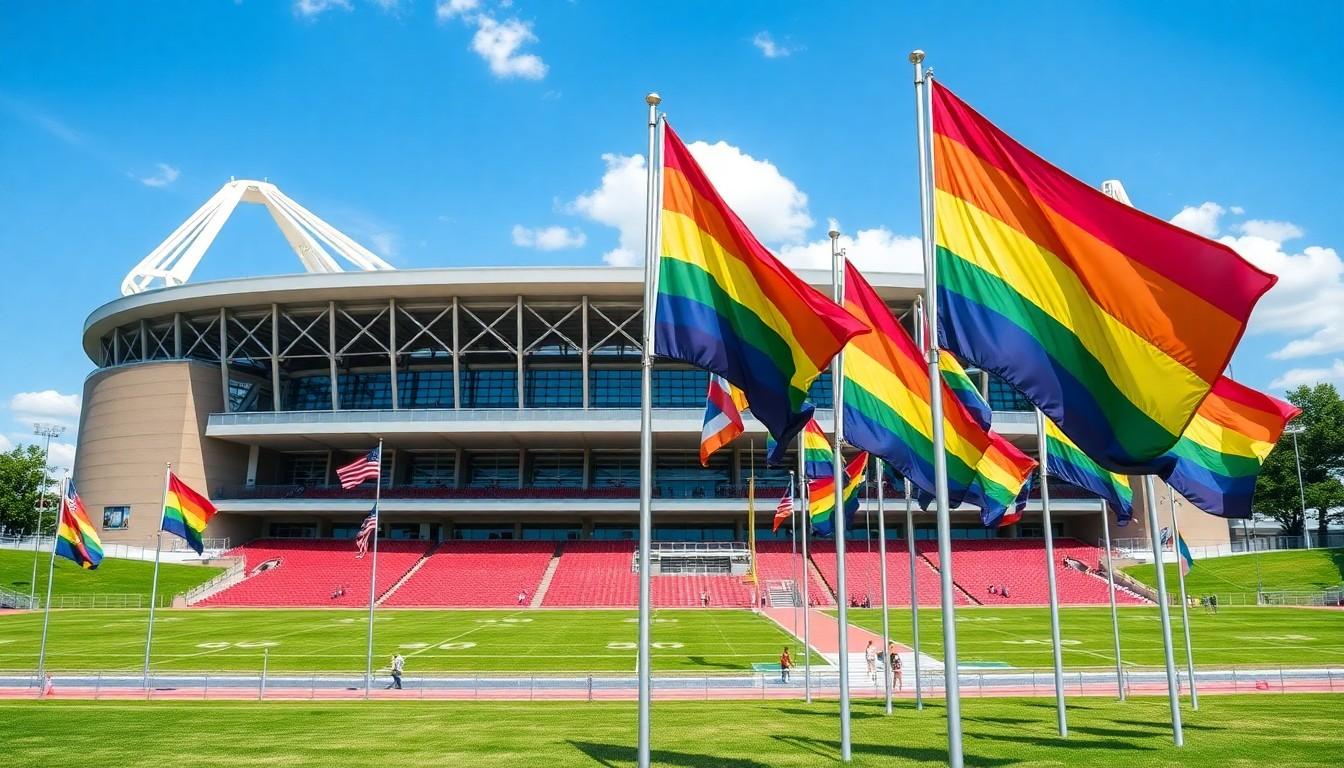
Shoppers are turning to a clearer message at World Cups , fans will be able to bring rainbow flags into stadiums at the 2026 tournament, a shift that matters for players, supporters and host cities after the controversy of 2022. Here's why FIFA changed course and what it means on the ground.
Essential Takeaways
- Policy change: FIFA has confirmed rainbow and other Pride-related items will be permitted at 2026 World Cup matches.
- Contrast with 2022: The move marks a firm break from the restrictions and high-profile rows seen in Qatar, where rainbow displays were tightly policed.
- Local friction likely: Matches in cities with active Pride events may still trigger diplomatic objections from some national federations.
- Practical impact: Fans can expect a visible, colourful presence in the stands , but stadium marshals will still enforce safety and non-discrimination rules.
A clear signal after the Qatar fallout
FIFA’s decision to allow rainbow flags feels like a careful, public-facing correction. The rainbow became one of the most visible flashpoints at the 2022 World Cup in Qatar, when organisers and hosts imposed limits that many saw as suppressing expression. Fans remember the quiet, tense atmosphere when stewards asked supporters to cover up or remove Pride paraphernalia. This time, FIFA has put a line in the sand: rainbow items are acceptable inside stadiums, and that changes the tone of the tournament from the first whistle.
Why FIFA changed its approach
The change reflects a mix of legal, reputational and practical calculations. According to human rights groups and reporting from major sports outlets, FIFA’s current code of ethics and non-discrimination commitments provide a clearer basis for allowing symbolic items that celebrate LGBT+ identity. There’s also pressure from host cities, sponsors and fans to avoid a repeat of 2022’s controversies. In short, FIFA seems to be balancing global expectations about free expression with the organisation’s own stated values.
What this means for matches staged during Pride weekends
Some fixtures fall during Pride weekends in host cities, and that’s already causing friction. National federations from countries with laws or policies hostile to LGBT+ expression have objected when a match is promoted as part of local Pride programming. FIFA has stated it won’t police local event agendas, but it will uphold the stadium policy that permits rainbow flags. Practically, that means a match promoted alongside Pride will still welcome rainbow displays, even if visiting teams or federations voice objections.
Fan experience: colourful stands, with a few provisos
Fans should expect more visible, colourful support in the terraces , rainbow flags, badges and banners will likely become part of the World Cup visual. That said, stadium safety rules still apply: anything that obstructs views, breaches crowd-safety codes or contains abusive messaging will be removed. Event organisers and stewards will be tasked with distinguishing between celebratory items and those that cross lines of conduct, so bring your flag but keep it sensible and non-confrontational.
Why the shift matters beyond sport
Allowing rainbow flags isn’t just a merchandising or optics choice; it’s a cultural statement. For many supporters and players, visible inclusion in the stands feels like recognition and protection. For host cities, it’s an opportunity , and sometimes a challenge , to show they can welcome diverse crowds. And for FIFA, the policy reduces the likelihood of high-profile disputes and legal headaches that distract from the tournament itself. Expect the debate to continue, but also expect the terraces to look brighter.
It's a small change that can make every match feel a little more welcoming.
Source Reference Map
Story idea inspired by: [1]
Sources by paragraph: