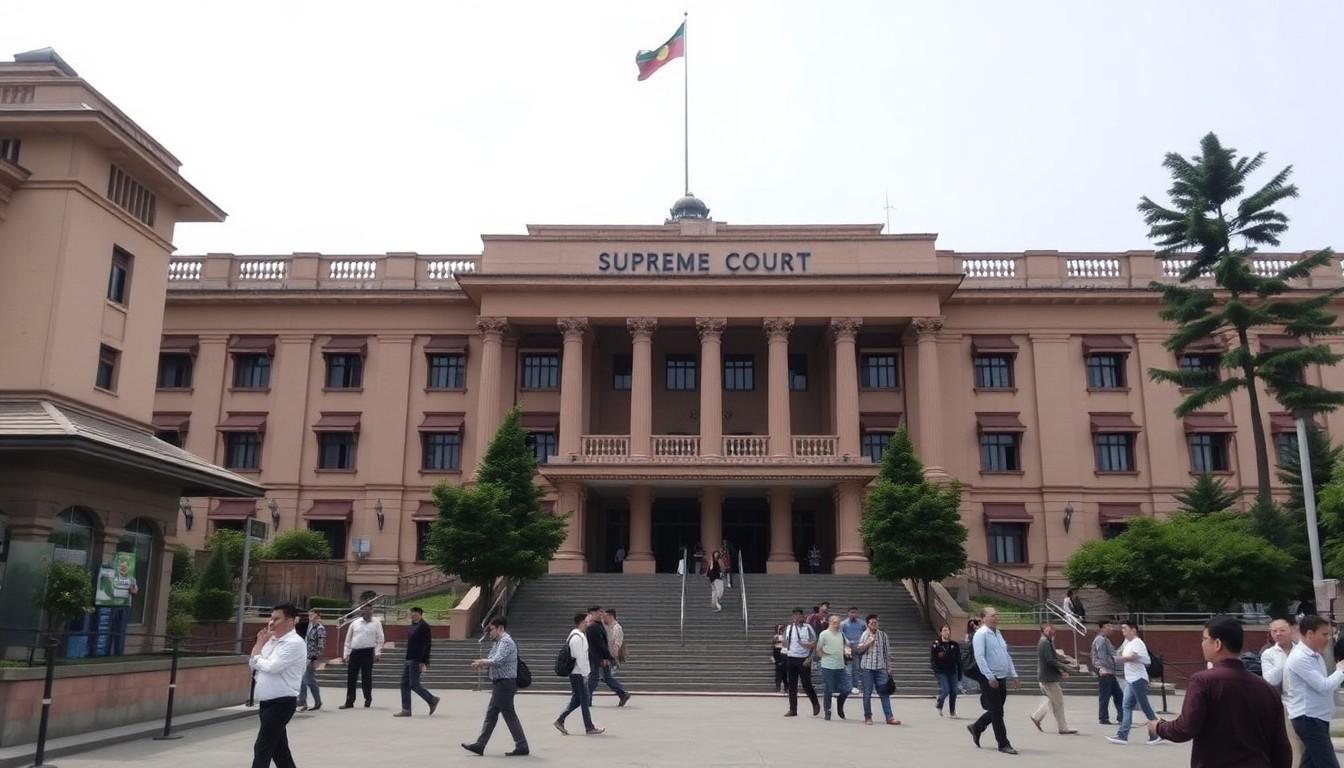
Shoppers for justice might say “finally” , Nepal’s Supreme Court has ordered full marriage equality, a June ruling that secures the right to marry for same-sex couples nationwide and sends a clear signal that legal recognition and everyday protections must follow.
Essential Takeaways
- Nationwide ruling: Nepal’s Supreme Court has issued a binding decision granting same-sex couples the right to marry across the country.
- Decades of advocacy paid off: Activists and groups like the Blue Diamond Society celebrated, noting this ends the legal limbo many couples faced.
- Practical gaps remain: Couples still need clear laws on adoption, inheritance and administrative recognition to ensure real-world parity.
- Public reaction: Widespread international praise and social-media celebration underline the ruling’s symbolic and practical weight.
- Next steps: Parliament and government agencies are urged to implement legislation and administrative guidance swiftly for certainty.
A legal victory that finally feels tangible
The headline moment is simple and sensory , relief, tears and cheers in equal measure. According to reporting from outlets covering the judgement, advocates marked June 18 as the day that temporary measures and piecemeal rulings became a national, enforceable right. The Blue Diamond Society described the decision as cause for celebration and a confirmation that same-sex couples deserve dignity, respect and legal protection. For couples who’d already tied the knot under temporary rules, there’s now reason to hope their unions won’t be treated as provisional.
How we got here , from interim rulings to a final order
This is the end of a long arc. Nepal’s Supreme Court has returned to this question multiple times, including a landmark 2023 decision that allowed temporary marriage registration for same-sex couples. Yet, as activists pointed out, the absence of clear national legislation left local clerks free to refuse licences and forced many couples into costly court battles. The latest ruling turns earlier wins into a binding reality, reducing the need for repeated litigation and creating a stronger legal foundation.
What it changes on the ground , and what it doesn’t
In practical terms, the ruling means same-sex couples can expect the same entitlement to marry as opposite-sex couples. But legal recognition on paper doesn’t automatically solve administrative and family-law questions. Adoption rights, inheritance protections and access to benefits often rely on implementing statutes and government guidance. That’s why the Blue Diamond Society and other campaigners are urging Parliament to pass follow-up laws quickly, so marriages are respected across hospitals, courts and registries.
The wider reaction , solidarity and significance
News outlets and international social media users hailed the decision as historic. Voices from across the globe framed the ruling as not only a national advance but part of a broader movement for LGBTQ+ rights in South Asia and beyond. For many Nepalese couples and families, this isn’t abstract: it’s about hospital visitations, property rights and the ability to plan a life without legal uncertainty. Observers note that political will now matters almost as much as the court’s wording.
What to watch next , implementation, legislation, and everyday access
The court’s order is the headline, but the work is procedural from here: Parliament drafting clear laws, government departments issuing registration protocols, and local officials being trained to apply the rules evenly. Couples and lawyers will be watching for guidance on adoption, survivor benefits and inheritance, because these are the details that turn a legal victory into lived equality. Expect advocacy groups to keep pressure on legislators and to support couples navigating the new landscape.
It's a landmark that opens doors , now the job is to make sure those doors stay open for everyone.
Source Reference Map
Story idea inspired by: [1]
Sources by paragraph: