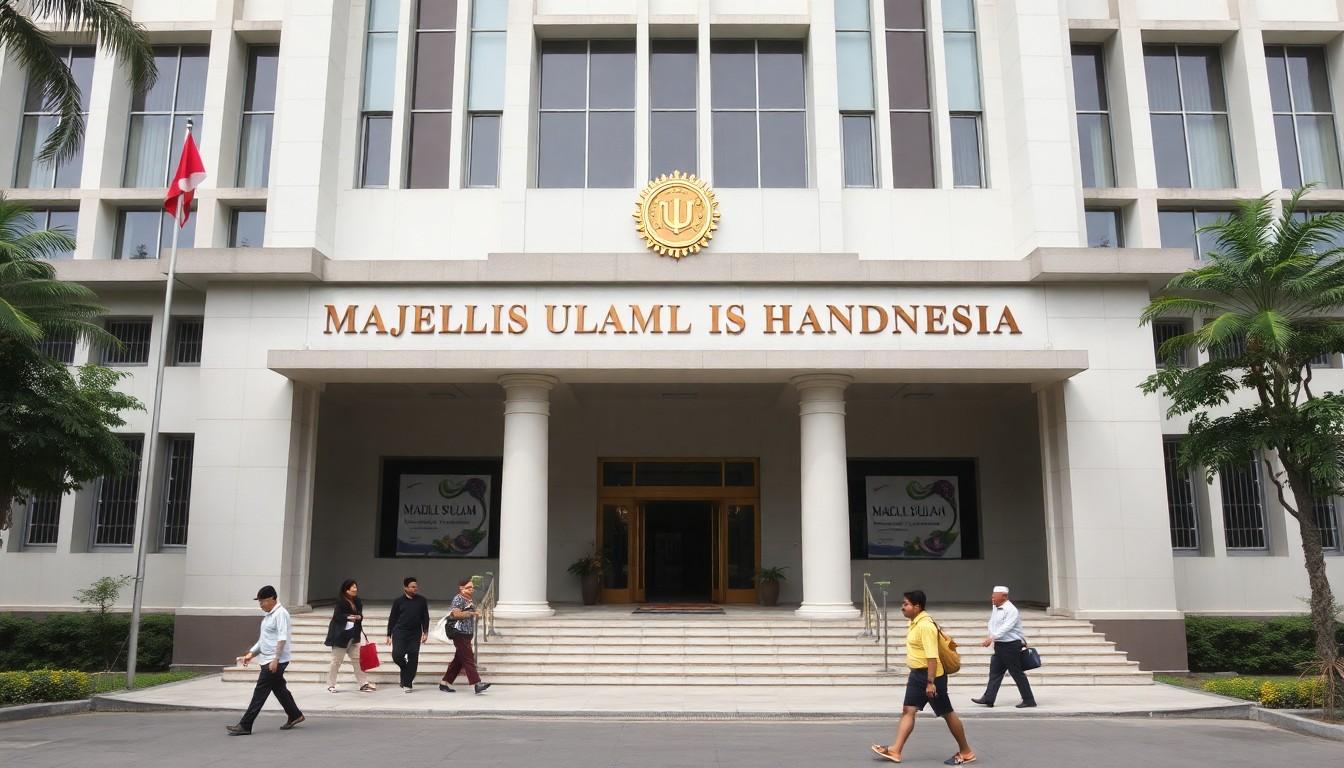
Shoppers of headlines are watching a fresh push in Jakarta as the Indonesian Ulema Council (MUI) prepares an academic paper and draft criminal bill on LGBT, urging lawmakers to add it to the national legislative programme; the move matters for rights, public debate and how communities and institutions respond.
Essential Takeaways
- Who’s behind it: The MUI is drafting an academic paper and a proposed RUU Pidana aimed at criminalising LGBT-related conduct and campaigning.
- Why now: MUI leaders say moral appeals haven’t curbed visible LGBT activity, so they want legal tools to act; they frame it as protecting “fitrah” and public morality.
- Political momentum: Some DPR members and a Ministry aligned with conservative views have signalled support, while civil-society groups strongly oppose criminalisation.
- Practical effect: If adopted into Prolegnas and passed, the law would expand criminal penalties and target both acts and promoters; details on scope and sanctions remain unclear.
- Public reaction: The debate is heated, with rights groups warning of discrimination and social harm, while supporters say tougher rules are needed to preserve social norms.
What exactly is MUI proposing and why it’s a story
MUI’s leadership says it’s compiling an academic memorandum and a draft criminal bill focused on LGBT conduct, and it wants the DPR to put the draft into the Prolegnas for legislative consideration. The document’s proponents argue that public displays and organised events by LGBT communities have grown bolder, and that moral persuasion no longer works. According to MUI statements, this is framed as a protective measure to restore what they call natural social norms. For readers, that translates to a potential legal shift from moral discourse to criminal enforcement.
How politics and institutions are lining up
There’s early political interest: some DPR members in sympathetic commissions have voiced support for measures targeting LGBT activities, and the MUI is actively lobbying for the bill to be discussed in Parliament. Meanwhile, government agencies with conservative social portfolios have made comments that suggest alignment with tougher rules. That mix of religious authority plus sympathetic legislators is the classic route for social legislation in Indonesia, and it raises the real possibility that the proposal could reach formal debate if it’s accepted into the Prolegnas.
Opposition, rights groups and social consequences
Civil-society networks and human-rights advocates are already pushing back, warning that criminalising LGBT identities or advocacy will fuel discrimination, stigma, and potential abuses by officials or vigilantes. They note that laws aimed at identity or private conduct often have chilling effects: people avoid healthcare, stop participating in public life, or face harassment. If lawmakers move forward, expect legal challenges and courtroom battles, as well as mobilised protests and international scrutiny.
What the draft could mean in practice for everyday people
Details matter: whether the proposed law targets private consensual conduct, public campaigning, or organisers of events will determine who’s affected. If penalties extend beyond public acts to promotion or advocacy, NGOs, educators, and activists could be caught up. For families and communities, the change could shift social conversations from dialogue to policing. For anyone concerned about rights, it’s worth tracking the exact wording and proposed sanctions when the draft enters public view.
How this fits broader trends in Indonesian public life
Indonesia has a history of moral debates shaping law, and the MUI’s move follows prior campaigns around media, education and social policy. Internationally, the trend of imposing criminal punishments for LGBT-related conduct has seen pushback from rights organisations, but also support in conservative contexts. Expect this to become a touchstone in wider discussions about pluralism, tolerance and the role of religious bodies in lawmaking. Observers should watch parliamentary calendars and the Prolegnas process for the next formal steps.
It's a fraught issue where legal drafting, public sentiment and political timing will decide whether this becomes law or a national argument that reshapes public dialogue.
Source Reference Map
Story idea inspired by: [1]
Sources by paragraph: