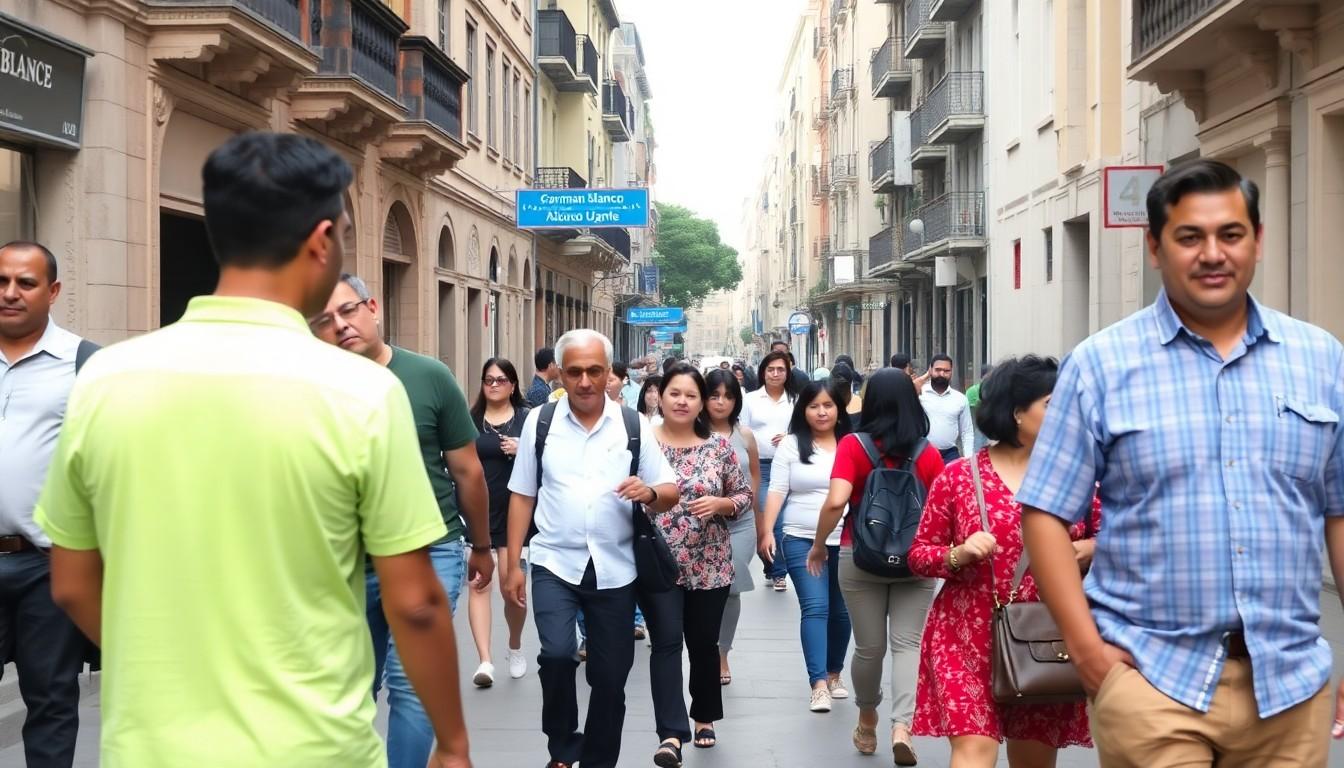
Shoppers, commuters and families watched as hundreds from Lima’s LGBTI+ community marched through the Cercado on 27 June, a colourful, peaceful mobilisation that ended with a mass gathering at Campo de Marte , important for visibility, transport planning and demands for legal rights.
Essential Takeaways
- When and where: The march began at 3:00pm from Avenida de La Peruanidad and followed an authorised route through central Lima, finishing at Campo de Marte.
- Theme and message: Organisers carried the slogan “Familias que incluyen, orgullo que resiste,” emphasising family support and calls to end hate crimes.
- Transport impacts: Key Metropolitano stations and bus corridors were temporarily closed but reopened progressively after police cleared the route.
- Safety and order: The Policía Nacional provided a large contingent; the event concluded without major incidents, though peripheral congestion occurred.
- After the march: A main stage at Campo de Marte hosted artistic acts and speeches pressing for full civil-rights recognition.
A bright, determined procession that filled central streets
The strongest image from the day was a long, colourful parade weaving through the city, the air a mix of music and banners, a sense of community palpable. Organisers and dozens of collectives set off after gathering on Avenida de La Peruanidad, then followed the authorised path laid out by the Municipalidad Metropolitana de Lima. According to local coverage, the march kept to its timetable and route, which helped minimise friction with authorities and drivers.
Many participants spoke of relief and pride at walking openly through neighbourhoods that, for some, still feel uncertain. City services and police were visible throughout, balancing protection with allowing space for expression. For onlookers the atmosphere was festive yet resolute , chants and speeches alternated with performances and family groups.
“Familias que incluyen” , what the slogan meant on the ground
The official motto, “Familias que incluyen, orgullo que resiste,” framed the day’s speeches and the tone of the closing rally. Activists, local leaders and public figures used the platform at Campo de Marte to demand an end to hate crimes and to press for comprehensive civil-rights recognition within Peru’s legal framework. Their messages were personal as well as political, with several testimonies about family support and the harm of discrimination.
This year's focus felt deliberately inclusive, aiming to broaden support beyond the activist base. If you’re thinking about attending future marches, expect a mix of protest and celebration , and bring something for sun protection and a reusable water bottle.
How the city managed traffic and transport disruptions
Transport officials planned diversions ahead of time, and the Autoridad de Transporte Urbano for Lima y Callao coordinated with police to lift detours once the route cleared. During the march, essential arteries such as Alfonso Ugarte and Garcilaso de la Vega experienced closures; the Metropolitano stations Dos de Mayo, España and Quilca closed temporarily but reopened after police confirmation.
For commuters, the main lesson is to check official channels on event days: the ATU and municipal notices outlined alternative routes and the timing for reopenings. If you travel through central Lima during major events, allow extra time and consider alternative modes like cycling for short trips.
Police presence kept the event peaceful , with the usual caveats
A large Policía Nacional deployment accompanied the march from start to finish. Their role appeared to be protective rather than confrontational, and press reports emphasised that no serious incidents were recorded. Still, the procession created the predictable peripheral congestion that often accompanies large demonstrations in central districts.
Organisers and attendees praised the security coordination, but also reiterated that prevention of hate crimes needs more than police presence , it requires legal safeguards and cultural change. Expect future rallies to keep mixing celebration with calls for concrete policy shifts.
What came after: speeches, art and a push for legal recognition
The circuit returned to Campo de Marte where a main stage hosted artistic performances and closing remarks. Speakers reiterated demands for civil-rights recognition and an end to violence motivated by sexual orientation or gender identity. The mix of music and manifesto meant the event felt simultaneously joyous and urgent.
If you follow these movements, note how civic demonstrations now routinely combine cultural programming with policy campaigning. That dual approach keeps attention high and helps build broader public sympathy over time.
It's a small change that can make every march count for more than a day.
Source Reference Map
Story idea inspired by: [1]
Sources by paragraph: