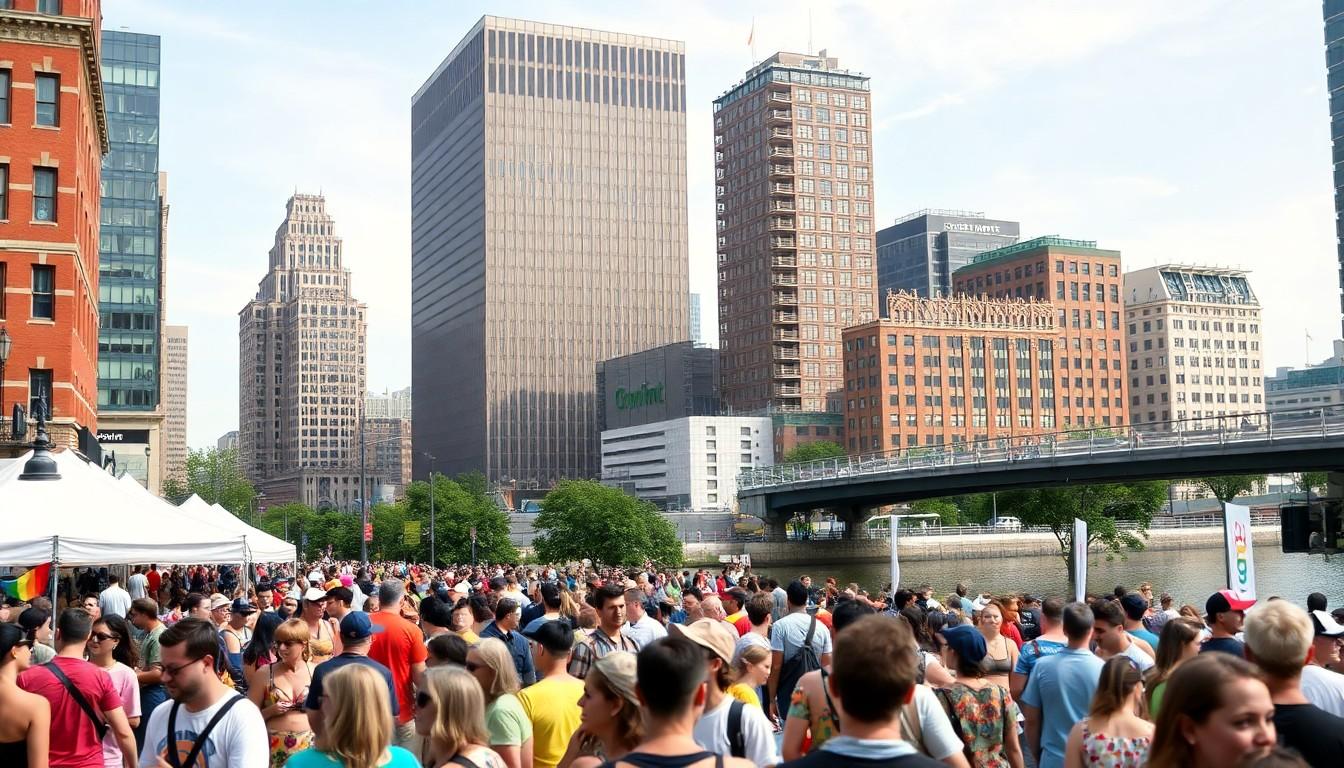
Shoppers, families and activists poured into downtown Cincinnati as the city hosted its 53rd annual Pride parade and festival, drawing organisers’ estimate of about 300,000 people , a vivid, louder-than-ever reminder that community celebrations can thrive even as corporate backing shifts.
- Huge turnout: Organisers estimate roughly 300,000 attendees, with crowds crowding Fountain Square and Sawyer Point.
- Parade energy: The parade began at 7th and Central and moved down Vine Street, creating a festive, noisy procession.
- Scaled sponsorship: Cincinnati Pride has trimmed ties with multiple corporate sponsors in recent years, leaning more on small donors.
- Grassroots vibe: Vendors, local food trucks and live acts gave the festival a community-first feel , loud, colourful and human.
- Persistent purpose: Organisers and attendees echoed that Pride remains as much a protest as a party, with an emotional, hopeful undertow.
A crowd so loud you could feel it
Walkers, flags and floats turned downtown into a moving, humming canvas. According to local reporting, organisers estimated about 300,000 people turned out, and you could see why , streets were thick with people, voices and music. The sensory shorthand is simple: bright colours, live bands, the smell of street food and a steady buzz of conversation and applause.
This year’s turnout feels especially meaningful given national debates about diversity, equity and inclusion. People I spoke with and attendees quoted called the day both celebratory and resolute, and that mix gave the event a powerful, tactile energy.
Parade that still remembers its roots
The parade stepped off from 7th and Central, cut past Fountain Square and made its way to Sawyer Point, keeping the city centre as its vibrant stage. For many, Pride is no mere festival , it’s a public act. Organisers and witnesses remarked that while the music, dancers and confetti make for a great party, the atmosphere also carried a reminder of Pride’s protest origins.
Ohio Pride’s leadership has been explicit about this shift in tone nationally: amid backlash against DEI initiatives, organisers say communities are returning to the movement’s activist foundations. That history is visible in chants, speeches and the presence of local advocacy groups alongside the floats.
Sponsorship changes and a tilt to grassroots funding
In recent years, Cincinnati Pride cut ties with several corporate sponsors, a move that reportedly cost the organisation tens of thousands of dollars. Local reporting and community coverage show the festival responded by courting smaller donors and leaning into local support, which in turn shaped the event’s feel , less polished corporate glitz, more homemade banners and neighbourhood solidarity.
If you’re wondering what that means for future festivals, the practical takeaway is simple: expect a stronger local imprint. Vendors and performers tend to be community-based, and fundraising relies more on many small gifts than a few large ones. That’s not always easier, but it keeps the event grounded in the people who show up every year.
What to expect at Sawyer Point and beyond
Sawyer Point hosted the main festival activity , stages, dozens of vendors and local food trucks. For newcomers, the scene is easy to navigate visually: music stages, shaded vendor rows and food carts lining the river park. It’s also sensory-rich , expect loud live acts, the sweet-savoury smells of street food and the occasional spray of confetti.
Practical tips: arrive early if you want a front-row spot for performances; bring a reusable water bottle and a small foldable chair for comfort; and check the festival’s official site for schedules and accessibility details. Those simple steps make the day less about logistics and more about enjoying the celebration.
Why attendees say they keep coming
Despite sponsorship shifts and political headwinds, people kept coming , and they spoke plainly about why. Some described Pride as an expression of love and community that’s easy to support; others framed it as necessary visibility and resistance. That mix of joy and purpose is what keeps crowds returning, year after year.
Looking ahead, the festival seems likely to stay both a huge public party and a site of civic expression. It’s the kind of event that manages to feel intimate even when it’s packed, partly because it’s made and attended by people who care deeply about what it stands for.
It's a small change that can make every parade moment feel both celebratory and meaningful.
Source Reference Map
Story idea inspired by: [1]
Sources by paragraph: