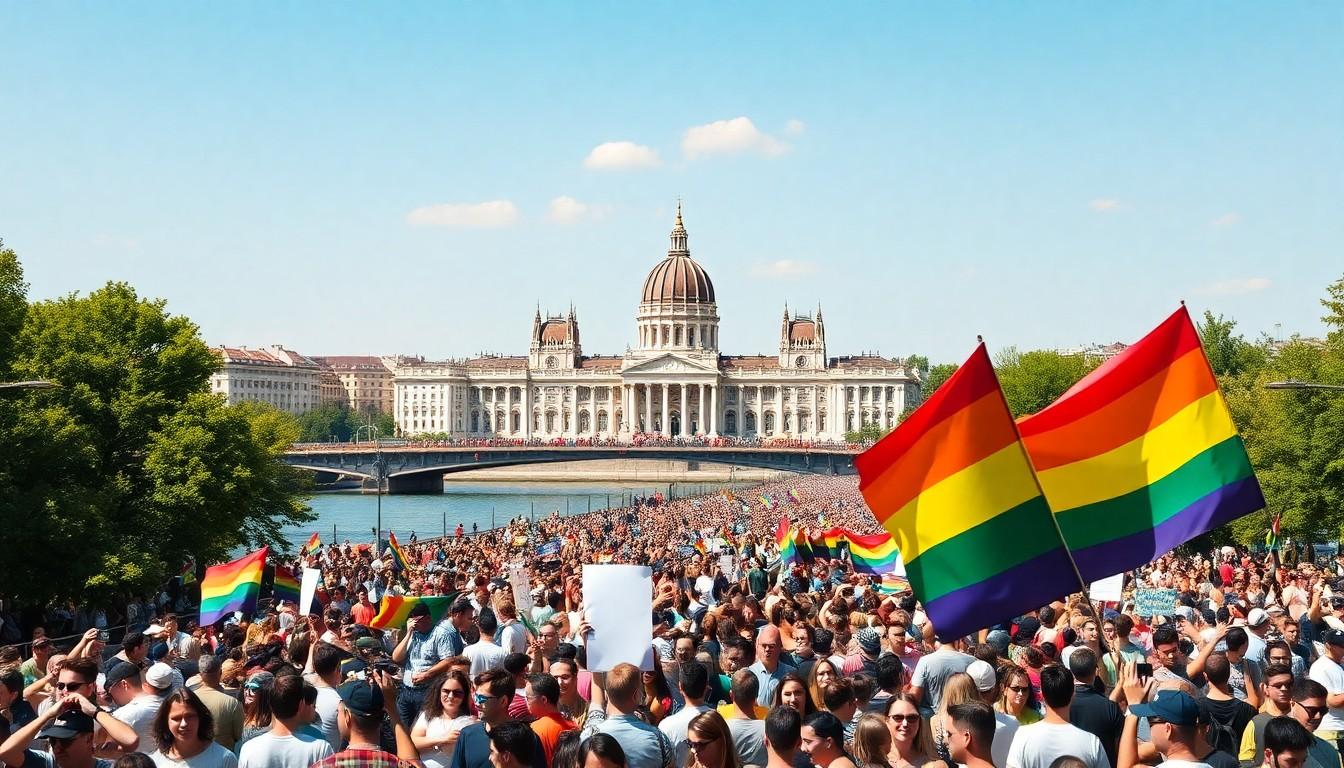
Shoppers of hope and marchers of change flooded Budapest for the 31st Pride, a sun-baked, music-filled parade that felt like a visible turning point after 16 years of Viktor Orban’s rule , and a useful snapshot of how Hungary’s politics could affect everyday freedoms.
Essential Takeaways
- Huge turnout: Tens of thousands filled the streets, with organisers and witnesses describing a big, buoyant crowd and more older people than in previous years.
- Scorching conditions: Temperatures reached roughly 38°C (about 100°F); water stations and public fountains were opened to keep people safe.
- New political backdrop: This was the first Pride under Prime Minister Peter Magyar’s government, which has authorised the march despite past anti-LGBTQ+ laws.
- Legal hangover: Restrictive measures introduced under Orban remain on the books, though EU rulings and parliamentary debate are nudging the issue into public view.
- Cautious optimism: Participants report a lighter atmosphere and growing public discussion about rights like adoption and legal recognition.
Heat, colour and relief: how the day actually felt
The march unfolded under a brutal heat wave, with a dry, baked breeze and temperatures pushing the high 30s , organisers handed out water and the city opened fountains to cope. Reporters noted a festival-like energy; music, dancing and a tide of rainbow flags made the centre of Budapest feel celebratory and noisy. According to AP coverage, practical steps to protect marchers were visible and necessary in that weather. For anyone planning to attend future events: bring a hat, reusable water bottle and sunscreen, and stick to shaded parts of the route.
A march under a new government , why the authorisation matters
This was the first Pride since Viktor Orban lost power and Peter Magyar formed a new administration, and official police authorisation signalled a clear shift in tone. The permit matters because under Orban’s government, Pride had been effectively banned through legislation and a constitutional amendment; organisers had defied that ban last year with a massive turnout. The Guardian and other outlets point out Magyar’s more permissive rhetoric , he’s said people are free to love who they want , but he hasn’t yet repealed prior laws. That leaves a gap between how things feel on the streets and what’s written in law.
From confrontation to conversation: what participants noticed
Long-time attendees described a change in mood: less tension, more older people joining in, and a sense of relief that public life can be visibly LGBTQ+ again. First-timers, including teenagers, spoke about newfound optimism: some said the shift in government opened up conversations that once seemed impossible. El País and Reuters-style reporting captured the human detail , the hugs, the nervous smiles, the quiet hope , which helps explain why many saw this Pride as symbolic beyond the march itself.
Laws still in force, but EU pressure and debate are shifting the scene
Despite the upbeat atmosphere, restrictive policies remain: bans on adoptions by same-sex couples, limits on gender recognition and content restrictions passed under Orban haven’t been formally repealed. The European Union’s top court has already found some of Hungary’s measures incompatible with EU law, and parliamentary debates have begun to bring these questions into public view. Le Monde and other outlets note that Magyar appears open to debating these issues, and that slow legal churn , EU rulings, court challenges and domestic discussion , could create real change over time.
What to watch next: practical signs of progress or rollback
Watch for concrete moves: repeal or amendment of the adoption and gender recognition rules, parliamentary votes, and how police and local authorities handle future events. Activists say the conversation in Parliament , even the fact that debates are happening , is itself a step forward. If you’re following this as a supporter or concerned observer, look at legal timelines, EU enforcement actions, and whether future Prides receive the same authorisation and security arrangements. For those with family or friends in Hungary, simple gestures of solidarity still matter.
It's a small change that could make a big difference for everyday freedoms in Hungary.
Source Reference Map
Story idea inspired by: [1]
Sources by paragraph: