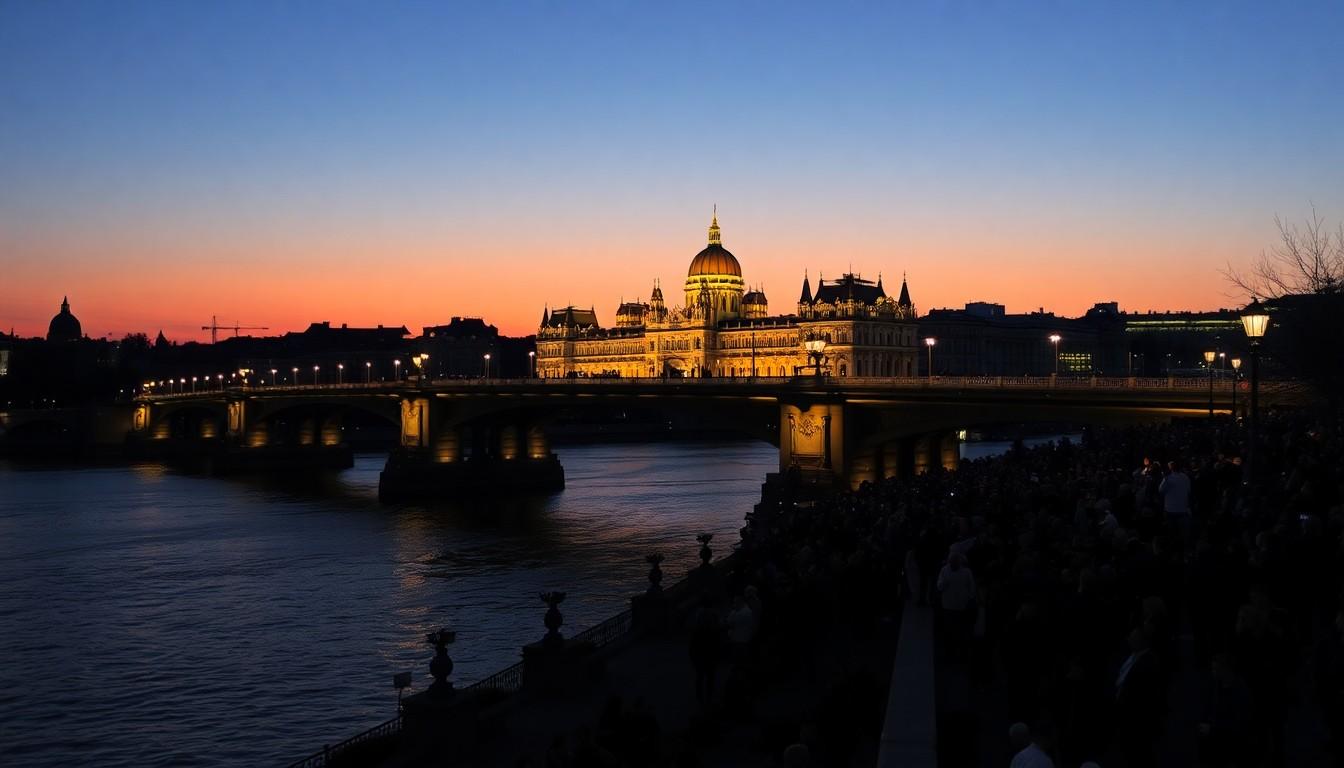
Shoppers of headlines and supporters alike noticed something different in Budapest this weekend: tens of thousands marched for Pride, the mayor called it a moment of reclaimed freedom, and the city draped the Danube bridge in both rainbow and national flags , a visual argument that patriotism and acceptance can coexist.
Essential Takeaways
- Mass turnout: Several tens of thousands joined Budapest Pride’s 31st march, crossing the Erzsébet (Elizabeth) Danube bridge in bright, crowded procession.
- Mayor’s message: Gergely Karácsony framed the event as a return to freedom and civil values, while warning that restrictive laws remain on the books.
- Mixed flags: The bridge’s alternating display of Pride and national flags became a deliberate symbol that love and patriotism need not clash.
- Legal tensions linger: Organisers and allies stress the march is a defence of rights, with recent legal battles and dropped charges still in public memory.
- Practical mood: The event was peaceful and spirited, with visible solidarity and calls for policy change alongside celebration.
A march that felt like a civic reclaiming , loud, bright and defiant
The strongest image from the weekend was simple: thousands moving together across the Erzsébet bridge, a rainbow tide punctuated by national colours, voices and music filling the air. According to local reports, the atmosphere mixed celebration with a sharp political undertone; this was not just a parade but a public statement after years of growing pressure from the centre-right government. Observers noted the crowd’s energy , joyful, but with an edge of determination , as speakers reminded people that certain restrictive laws still exist.
Why the mayor’s speech mattered , and why he warned about laws yet unchanged
Gergely Karácsony used the closing rally to call the moment one of regained freedom and to outline a broader vision: a society built on dignity, solidarity and equal rights. Yet he was careful to point out that legal obstacles remain, and that changing hearts must be matched by changing statutes. This balance of celebration and caution resonated: it showed a leader who wants to transform symbolism into lasting reform, while acknowledging the work isn’t finished.
The mixed flags: a deliberate visual argument about belonging
The decision to alternate Pride flags with Hungary’s national flags on the bridge turned out to be more than decorative. Organisers and the mayor framed it as proof that patriotism and acceptance reinforce one another rather than cancel out. For many onlookers the image offered a quick, persuasive counter to the idea that national identity is threatened by equality; instead it suggested a broader, more inclusive idea of nationhood.
Legal and political aftershocks , why the march isn’t just ceremonial
This year’s march comes after a string of legal and political clashes over LGBTQ+ rights in Hungary; recent charges against local officials connected to Pride activities were dropped, but they left a mark on public consciousness. Organisers have repeatedly stated that the annual march is Hungary’s largest recurring human-rights demonstration, and that it’s a frontline for contesting restrictive measures. The practical takeaway for supporters: rallies raise visibility, but follow-up legal and civic work is essential.
How this fits Europe-wide and what to watch next
Across the continent, Pride events have grown both as celebrations and as barometers of political climate. Budapest’s blend of festivity and protest mirrors similar dynamics from Warsaw to Madrid, where marches track policy shifts as much as cultural ones. For those tracking change, watch municipal moves on equal partnerships, any new national legislation, and how future events are policed or permitted , these will show whether the weekend’s symbolism translates into everyday rights.
It's a small, colourful step toward a bigger goal: making pride part of everyday civic life, not just a moment on the calendar.
Source Reference Map
Story idea inspired by: [1]
Sources by paragraph: