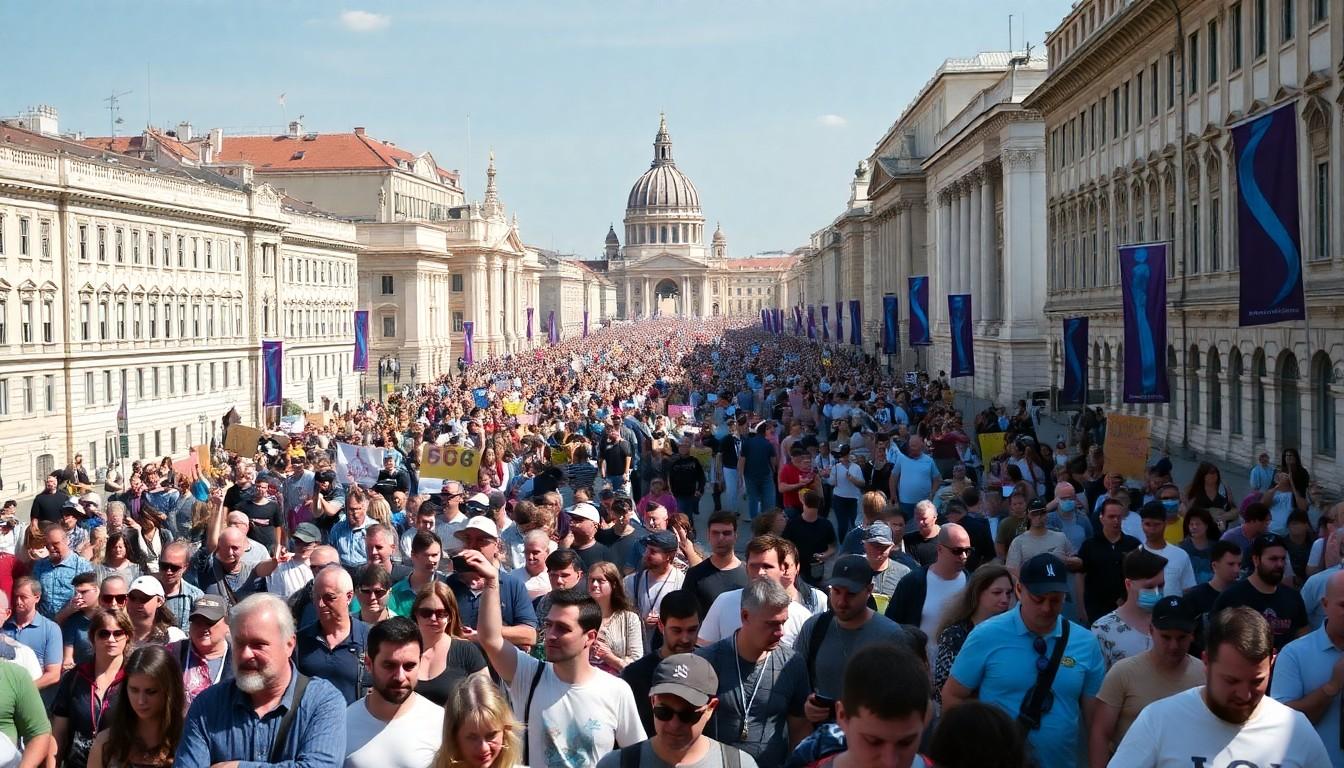
Shoppers and onlookers may have felt the heat, but tens of thousands still marched in Budapest’s 2026 Pride , a colourful, hopeful and cautious show of support that matters because it’s the first major parade since Viktor Orbán’s ouster and it signals possible change under Prime Minister Peter Magyar.
Essential takeaways
- Huge turnout: Photographers and reporters put the crowd in the tens of thousands, a marked rebound from pre-2025 years but smaller than last year’s defiant march.
- Scorching conditions: Temperatures hit around 40°C, organisers urged vulnerable people to watch online while most participants waved flags in the heat.
- Political backdrop: This was the first Pride since Orbán’s exit; Magyar has spoken about freedom but has not yet repealed anti-LGBTQ laws.
- Public mood: Many young people and long-time activists expressed cautious optimism that legal protections may improve.
- Incidents and resilience: There were a couple of arrests after protesters were pelted with vegetables, yet the overall atmosphere stayed festive and proud.
A vivid march in baking heat , what it felt like
Tens of thousands turned out under a brutal sun, the pavement radiating a dry, shimmering heat and rainbow flags snapping in the light breeze. Photographers and correspondents on the ground described a festival-like mood, full of colour and loud music, but also an undercurrent of seriousness about rights and safety. Organisers asked especially vulnerable people to stay home and stream the event, sensible advice when the thermometer nudges 40°C.
Why this Pride mattered more than ever
This was the first big Pride since Viktor Orbán lost power, and that shift hangs over the whole event. According to international coverage, people said they felt freer to participate and hopeful about the new government’s promises. Still, the change in leadership doesn’t automatically remove laws enacted under Orbán, so many attendees balanced celebration with clear demands for concrete reform.
The politics: promises, caution and court rulings
Peter Magyar, the new prime minister, has publicly said people shouldn’t be told how to live, and that comment has given activists cautious hope. Yet he hasn’t repealed the anti-LGBTQ measures rolled out in previous years, and human-rights groups continue to push for legal change. European courts have already weighed in, finding Hungary’s prior laws at odds with EU freedoms, which adds pressure on Budapest to act.
How public opinion and geography split the scene
Journalists noted a clear urban–rural divide: Budapest felt markedly progressive and accepting, while people from smaller towns warned attitudes remain conservative outside the capital. Polling cited by rights groups suggests a majority of Hungarians support same-sex marriage and adoption, but translating public sentiment into law will take political will and time.
What to watch next , practical signs of change
Look for the government’s next moves: whether Magyar’s administration introduces bills to undo discriminatory statutes, how municipal authorities treat Pride-related permissions, and whether court rulings spur legislative action. For campaigners, steady turnout and continued international attention are useful leverage. If you’re following developments, watch statements from Amnesty and other groups, plus any parliamentary debates on family and equality laws.
It's a vivid, complicated moment , Pride felt like both celebration and a reminder that legal equality still needs work.
Source Reference Map
Story idea inspired by: [1]
Sources by paragraph: