Shoppers of ideas and lawmakers are watching a renewed campaign in Indonesia to criminalise LGBT advocacy, as clerics and parts of government press for new rules that backers say protect morals and critics warn will erode freedoms and chill dissent. Here’s what’s happening, who’s saying what, and why it matters.
Essential Takeaways
- Clerical push: Indonesia’s top Islamic clerical body has urged parliament to criminalise people who promote LGBT behaviour, calling for sanctions and tougher legal tools.
- Government backing: Parts of the Ministry of Religious Affairs and some House members publicly support the move, framing it as a defence of religious values and national culture.
- Civil society alarm: A coalition of 37 groups says the proposal is vague, risks criminalising identity and activism, and contradicts human-rights commitments.
- Legal context: Indonesia does not legally recognise same-sex relationships, but recent criminal-code revisions on extramarital sex have raised fears of broader targeting.
- Practical effect: If enacted, laws aimed at “campaigning” could silence advocacy, restrict NGOs and create a chilling effect on free expression.
What the clerics are asking for , and the language they’re using
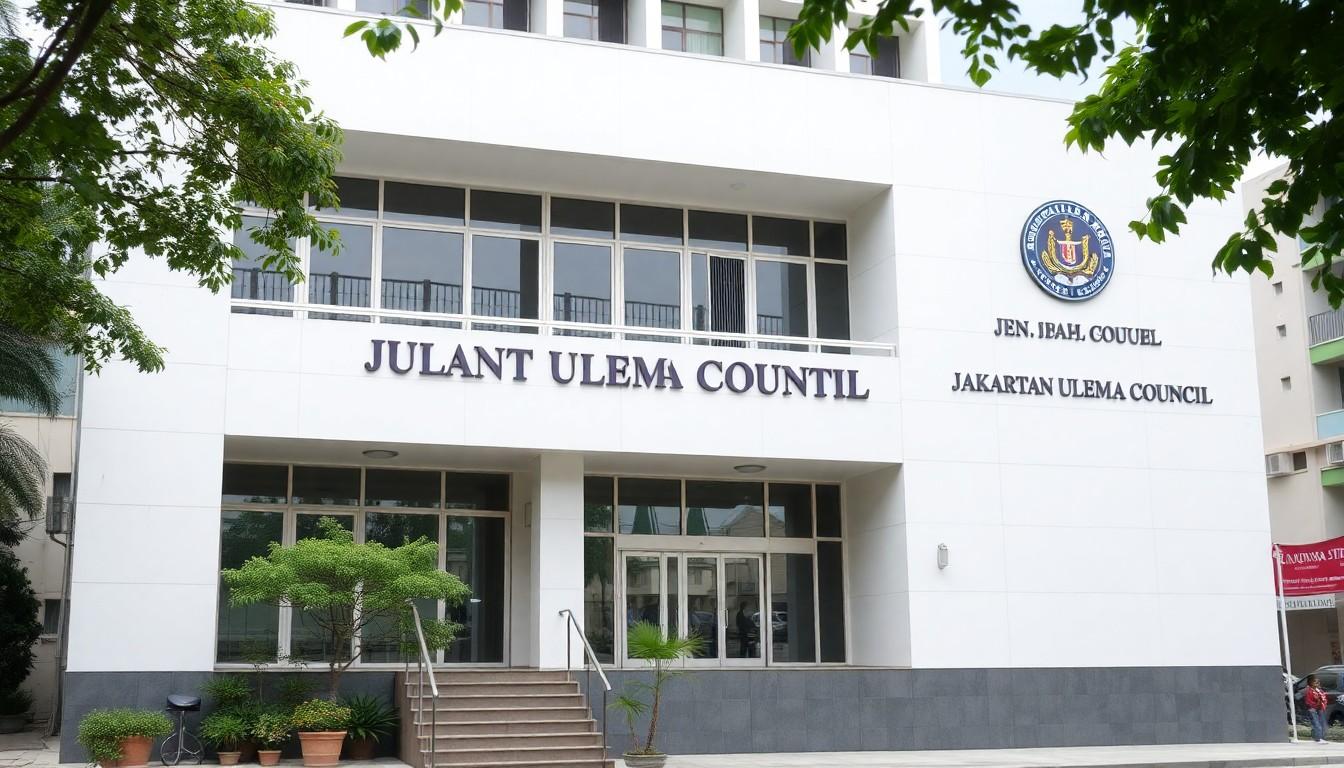
The Indonesian Ulema Council has called on lawmakers to draft a country-specific regulation to punish those who promote LGBT behaviour, arguing such rules will defend public order and morals. The council’s statement frames advocacy as a social ill that must be corrected, and it revives a line first set out in the council’s 2014 fatwa that labelled homosexuality as forbidden under Islamic law. The language is blunt and moral: supporters say they’re protecting faith and family life, while opponents hear a recipe for state-led discrimination.
How parts of government are responding
Officials at the Ministry of Religious Affairs and some members of parliament have echoed the council’s concerns, saying LGBT practices clash with religious values and national ideology. A senior ministry official said the phenomenon of people “showing themselves more openly” is being monitored, and lawmakers on commissions for religion and legal affairs have signalled readiness to draft specific rules. At the same time, some politicians note any law should be based on academic study and cross-faction consultation , an acknowledgement that the legal route may be contested and complicated.
Why civil society and human-rights groups are alarmed
A coalition of 37 civil society organisations says the proposal is vague and dangerous, because it risks criminalising people purely for their identity or for peaceful advocacy. They warn that undefined terms like “campaigning” could be stretched to silence activists, researchers and human-rights defenders. Rights advocates also point out Indonesia’s obligations under international treaties and its own constitution, and they fear new measures would deepen marginalisation rather than address public concerns constructively.
The legal landscape: trends that make this proposal consequential
Indonesia currently neither recognises nor criminalises same-sex relations nationwide, but recent changes have shifted the terrain. The 2023 revision criminalising extramarital sex has already raised alarm that existing or new provisions can be used to target LGBT people. Introducing a bespoke criminal offence aimed at advocacy would be a more explicit legal tool against activists and could undermine NGOs’ work, civic organising and freedom of expression across the board.
What this means for everyday people and activists
If parliament takes forward criminalisation, the practical effects will go beyond abstract law. Advocacy groups could face prosecution for public education or peer support, researchers might hesitate to study sexual orientation and gender identity, and ordinary people could self-censor for fear of legal trouble. For families and communities, the shift would likely increase stigma and limit access to health and support services. For international partners and businesses, the move could complicate cooperation on development and human-rights programming.
How to read the politics behind the push
This is more than a legal argument , it’s also a cultural and political signal. Backers cast the measure as defending national identity and religious morality, while critics see it as part of a wider conservative turn and a political wedge. Observers note the rhetoric sometimes invokes foreign funding or influence as a motive for LGBT advocacy, a claim that resonates in debates about sovereignty and social cohesion even as it fuels polarisation.
It's a small change that can make every civic conversation about rights and identity feel riskier.
Source Reference Map
Story idea inspired by: [1]
Sources by paragraph: