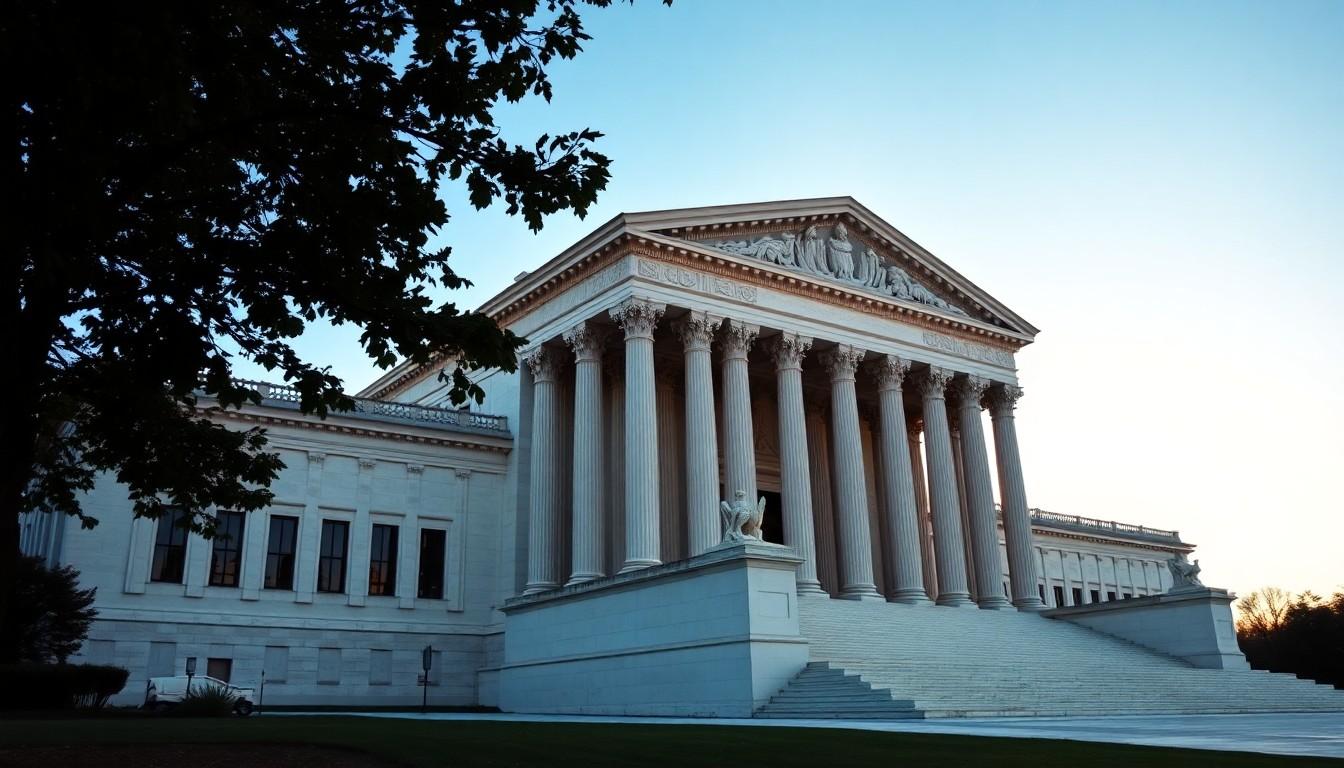
Observers are revisiting the claims made when same-sex marriage became law, exploring who said what, how expectations matched reality, and why the debate still matters for families, workplaces and public policy. This piece unpacks key moments, reactions and practical implications nearly eleven years after the Supreme Court ruling.
Essential Takeaways
- Historic pivot: The Supreme Court decision changed the legal status of marriage nationwide and provoked strong promises and forecasts from politicians and activists.
- Promises vs outcomes: Some early assurances , about minimal effect on other institutions , are now being re-examined in light of social and legal developments.
- Policy ripple effects: Changes in law have interacted with workplace rules, religious exemptions and family law, producing complex, mixed impacts.
- Practical consequence: Individuals and institutions are still adapting; clarity on exemptions, employment rights and family arrangements matters for everyday decisions.
Why people are rechecking the record now
Nearly eleven years after the high court’s landmark ruling, commentators and citizens alike are taking stock. The judgement fundamentally shifted the legal landscape for marriage, and that naturally invites reflection on promises made during the run-up. The emotional tone is mixed , some feel vindicated, others uneasy , and that’s part of what makes the conversation noisy but necessary. Looking back lets us compare public assurances with the practical outcomes that followed.
What politicians and activists actually said
When the debate was most heated, elected leaders and advocates made strong claims about consequences , or the lack of them. Congressional records and public statements from that era show a mix of reassurances and warnings, depending on the speaker. These remarks are useful because they set expectations for voters and institutions; when outcomes diverge, people point to those early lines to make sense of change. It’s a reminder that political rhetoric often shapes public understanding long after the vote.
How law and institutions have adjusted
Legal change often has slow, cascading effects across employment, education and religious practice. Employers, schools and courts have had to interpret new protections while balancing competing rights and convictions. That has produced litigation, policy tweaks and guidance from regulators as institutions try to reconcile anti-discrimination principles with freedom of religion and association. For everyday people, that means rules at work and school can vary by state and by institution, so know the policies that affect you.
The social and family landscape: mixed outcomes
Social attitudes have continued to evolve since the ruling, and so have family dynamics. Some early anxieties about the wider cultural impact have not materialised in the dramatic ways predicted, while other concerns , like legal questions around adoption, parental rights and conscience protections , have become live issues. Families navigate these changes differently: some celebrate the greater legal security, others wrestle with conflict or confusion, especially when religious convictions are involved.
How to think about practical choices today
If you’re making decisions that touch on marriage laws , from employment policies to clergy practice or family planning , a few practical tips help. First, check the current legal guidance where you live or operate; state and federal rules can differ. Second, seek clear policies for institutions you belong to, and if conscience issues matter to you, get legal or pastoral advice early. Finally, remember that conversations about values and rights are ongoing; staying informed and civil makes it easier to find workable solutions.
It's a small change in perspective, but re-examining past claims helps families and institutions make clearer choices now.
Source Reference Map
Story idea inspired by: [1]
Sources by paragraph: