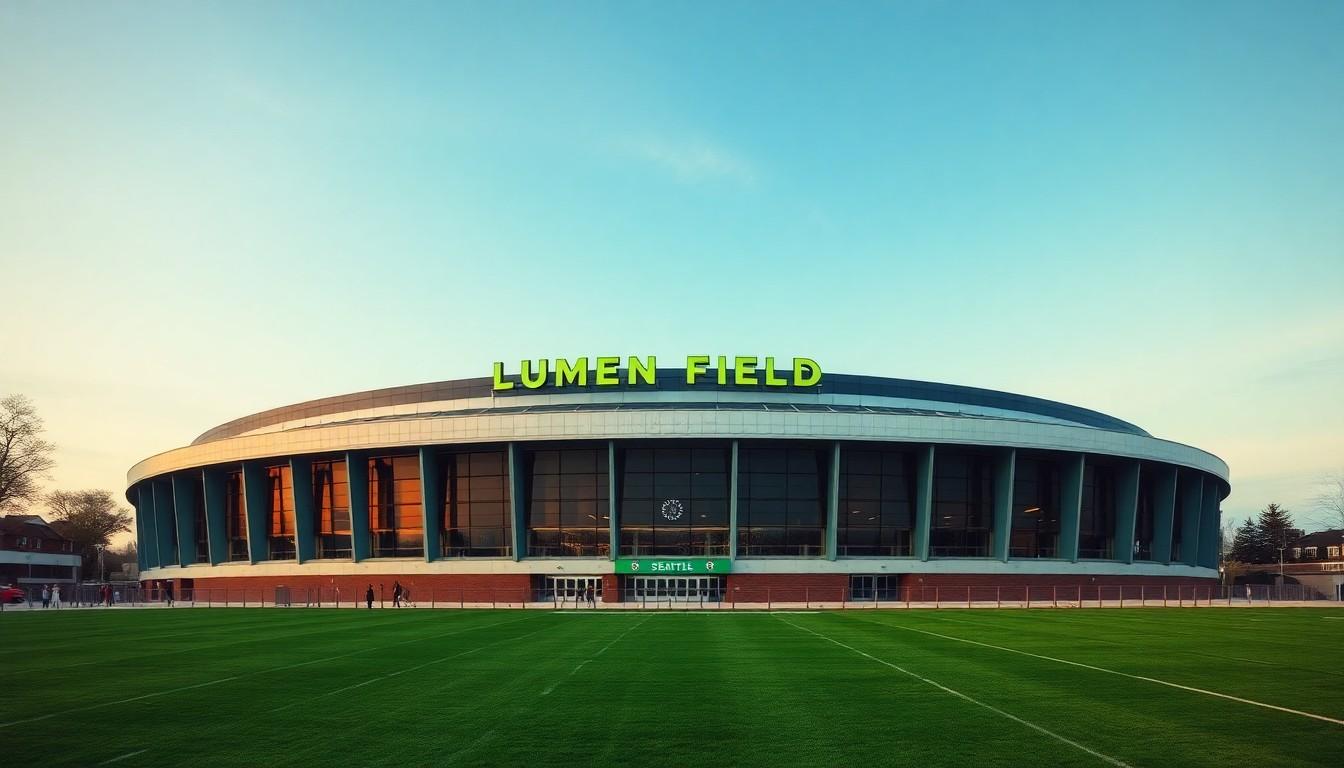
Shoppers are turning out, fans are gathering and Seattle’s Pride weekend has collided with the 2026 World Cup in a way few expected , a high-energy chance to celebrate inclusivity that’s also become a flashpoint, with Iran and Egypt vocally opposed and organisers pushing to make the day welcoming and safe.
Essential Takeaways
- Permitted symbols: FIFA allows rainbow flags inside stadiums under its 2026 Stadium Code of Conduct, so fans can visibly show support without being removed.
- Tense draw: The match pairing of Iran and Egypt, two countries with hostile records on LGBTQ+ rights, prompted official complaints and diplomatic sensitivity.
- Local planning: Seattle’s events include curated Pride routes, watch parties and extra security , drones and Coast Guard patrols are part of the plan.
- Community-focus: Organisers and local leaders emphasise safety and celebration for visiting queer fans, while outreach to Iranian- and Egyptian-American communities aims to reduce conflict.
Why Seattle’s Pride-Weekend World Cup Match feels charged
Seattle’s Pride parade is vivid and loud every June, and this year it sits squarely alongside one of football’s biggest nights , that contrast adds aural colour to the story, from whistles to chants. According to reporting, the original World Cup draw placed Iran and Egypt in the match scheduled in Seattle, which instantly complicated what many hoped would be a straightforward celebration of LGBTQ+ fans and allies. The result is a high-profile local festival that has become symbolic of the clash between global sport and divergent national laws on sexuality and gender.
What the teams said and why it matters
Both the Iranian and Egyptian football federations publicly pushed back, saying the Pride focus clashed with cultural and religious norms , a response that mirrors wider national policies on LGBTQ+ people. FIFA has sought to distance itself from the event, clarifying there will be no official “Pride Match” and that in-stadium expressions such as rainbow flags are allowed under its code. That move matters because it gives fans a clear guideline while leaving the public, political and diplomatic debate to play out at the local level.
How Seattle is turning celebration into practical planning
Organisers in the city have built a program beyond the stadium: watch parties, rainbow-themed merchandise, and an inclusive “Unity Loop” route to showcase LGBTQ+-owned venues. Local leaders expect protests and have ramped up safety measures , police briefings, drones and Coast Guard patrols on the waterfront are part of the visible preparation. For fans planning to attend, that translates to controlled entry points, clear signage and an emphasis on keeping the focus on football and the festival atmosphere.
Choosing safety and inclusion , what organisers are doing
Community hosts such as Rough & Tumble have been working for years to make sports viewing spaces inclusive, and they’ve engaged Iranian-American and Egyptian-American groups to smooth tensions. The practical advice for visitors is straightforward: stick to designated event zones, follow local guidance, and be mindful of the diverse crowd , allies and queer fans want to feel safe, while some visitors may arrive with opposing views. City officials say the goal is a celebration that uplifts marginalised fans without escalating into confrontation.
Could this become a fixture at future tournaments?
There’s appetite among organisers for a lasting legacy , conversations are already pointing to the idea of carrying a Pride-branded match forward to future tournaments. Supporters argue inclusivity should be standard in global sport, while critics point to legal and cultural barriers in certain host nations. For now, Seattle’s combination of pageantry and precaution offers a template: visible celebration, coordinated safety and deliberate outreach.
It’s a small change that can make every matchday more welcoming.
Source Reference Map
Story idea inspired by: [1]
Sources by paragraph: