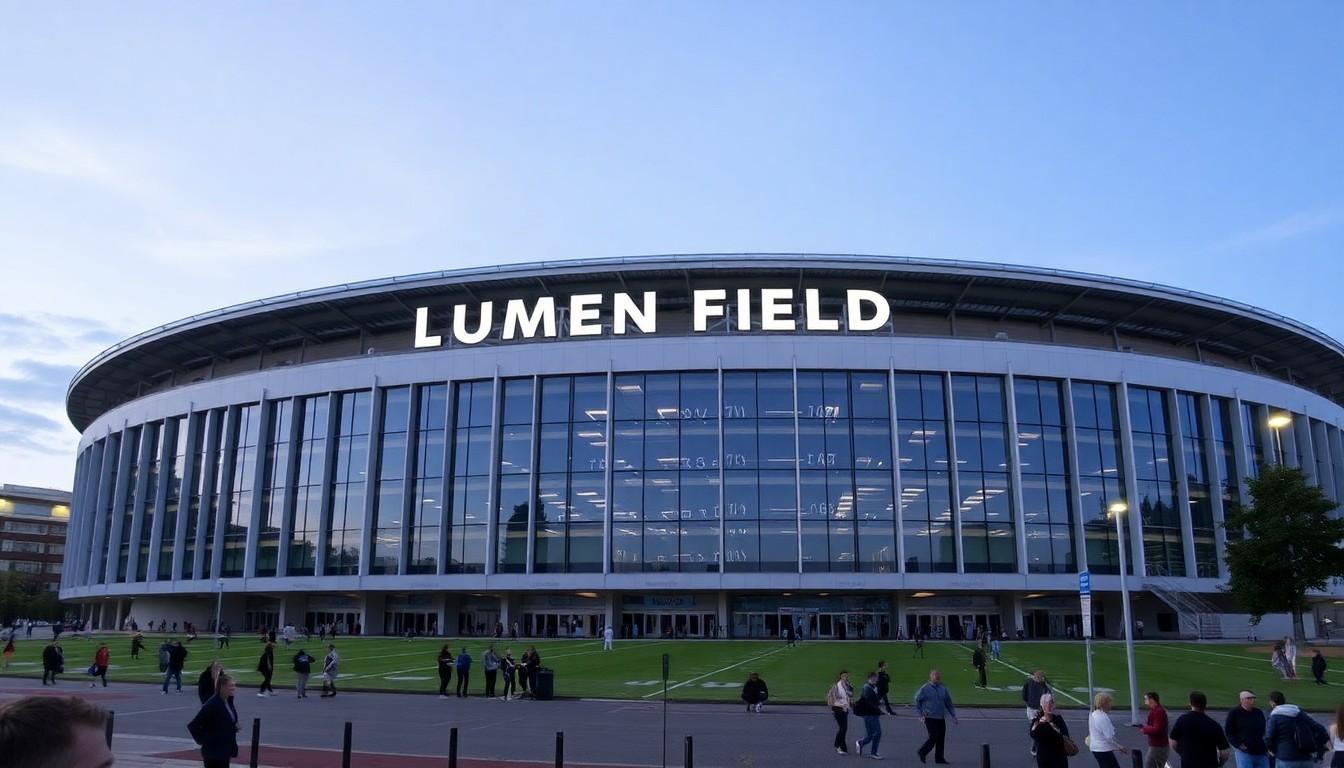
Watch closely: Seattle’s long-awaited World Cup “Pride Match” , Egypt vs Iran , kicks off Pride weekend, and it matters for fans, queer diasporas, and how host cities stage global sport. Here’s why the match became a flashpoint, what it feels like in the stands, and what to look for next.
Essential takeaways
- Historic moment: Seattle hosts the first World Cup match explicitly tied to Pride celebrations, drawing international attention and local festivities.
- Diplomatic friction: Egyptian and Iranian officials pushed to strip the “Pride Match” label; teams’ press plans were scaled back but the match goes on.
- Diaspora visibility: Queer Iranian and Egyptian diaspora communities plan to use the game to show solidarity and visibility, with Pride colours expected in stands.
- Complex politics: The event highlights tensions between celebrating queer identity and the political realities faced by LGBTQ people in countries that criminalise them.
- Practical note: Expect heavy security, visible protests from other diaspora groups, and organisers aiming for an inclusive, family-friendly fan experience.
Why Seattle insisted on a Pride Match , and what it looks like in person
Seattle’s decision to run the match as part of its Pride weekend feels intentionally bold, and there’s a festive, colourful buzz that’s unmistakable in the city. According to local organisers and advocates, the aim was always to put marginalised communities at the centre of the World Cup fan experience. That shows in parades, partnerships with tribal sponsors, and Juneteenth programming earlier in the tournament.
The choice wasn’t just about flags and photo ops. City officials leaned into the idea that hosting a global sporting event creates a platform for intersectional celebration , LGBTQ people alongside Black, Indigenous and other diaspora communities. For fans, that means a stadium and neighbourhoods that look and feel more openly welcoming than you might expect at an international match.
If you plan to go, bring layers, expect loud colours, and be ready for a crowd that’s part festival, part football terrace. Organisers are pitching safety and visibility as priorities, but remember this is also a heavily policed international event.
The pushback from Iran and Egypt , what was at stake
Not everyone loved the label. Officials from Iran and Egypt lobbied hard to have the “Pride Match” designation removed, worried about political fallout back home and the optics of official representation. The requests meant pre-match routines were tightened and diplomatic notes circulated, but they didn’t stop the match.
That tug-of-war underlines a broader dilemma: national teams that travel carry more than a squad list , they carry state sensitivities and citizens watching from abroad. FIFA’s hands-off posture on some social issues has earned criticism, and Seattle’s hosting committee clearly wanted to nudge the conversation in a different direction.
For spectators, the takeaway is that messy politics will always shadow big sporting moments. But the fact the game went ahead unchanged is a small win for the people who pushed for visibility.
What the match means for queer diasporas , visibility and complexity
For many queer people with roots in Iran and Egypt, the match is a rare chance to be seen on a global stage. Activists and community leaders have said they’ll wear Pride colours to make a point to those back home who may be unable to be public. That sense of solidarity , equal parts defiance and comfort , is what many attendees describe as the emotional core of the event.
Still, diasporas are not monoliths. Some groups plan counter-protests for other political reasons, and organisers say those demonstrations risk shifting focus away from queer voices. If you listen in the stands, you’ll hear a mix: jubilation, anxiety, and the sober reminder that visibility in Seattle doesn’t erase danger elsewhere.
If you’re photographing or broadcasting, be mindful: some attendees want visibility to reach their communities, but others attend for private reasons. Consent and context matter.
How the match fits into a wider trend of politicised sport
This isn’t an isolated moment; sport and politics have been entwined for decades. Host cities increasingly use major events to showcase progressive values, while national federations try to shield teams from diplomatic fallout. Seattle’s approach reflects a growing appetite for hosts to curate the fan experience beyond the pitch.
Expect to see similar strategies from future host cities , framing matches around cultural moments, inviting marginalised groups into the programme, and accepting the friction that comes with it. For fans, that means matches will keep serving as stages for social conversation, not just athletic drama.
If you’re following the tournament at home, watch for how commentators frame the match and which camera shots organisers choose , those editorial decisions shape the story that reaches the world.
Practical tips if you’re attending or watching from afar
Plan for crowds: Pride weekend will swell the city, so book transport and accommodation early. Respect attendees: If you’re taking photos, ask permission , some people want to be visible, others do not. Know the scene: Expect both celebration and protests; keep aware of your surroundings. Support trusted groups: If you want to help diaspora or queer-support organisations, donate to verified charities rather than amplifying unvetted campaigns.
It’s a small thing, but bringing a neutral water bottle and a portable phone charger will make your day noticeably smoother.
It's a small change that can make every cheer count.
Source Reference Map
Story idea inspired by: [1]
Sources by paragraph: