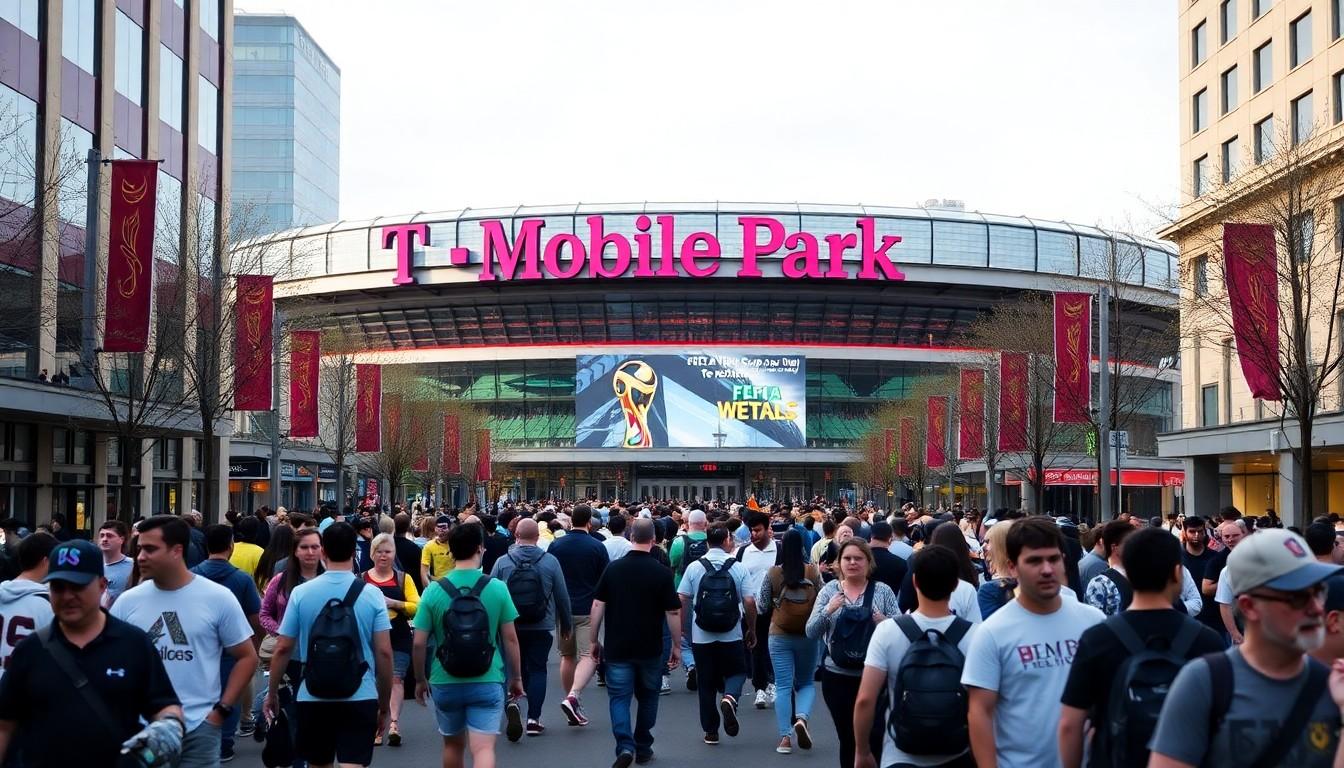
Shoppers and fans noticed a flashpoint in Seattle this weekend as the Iran–Egypt World Cup game was labelled a "Pride Match", drawing vocal protests and sparking a wider conversation about sport, identity and global hosting. Here’s what happened, who objected, and why the moment matters for future tournaments.
Essential Takeaways
- Match label: FIFA designated the Iran vs Egypt fixture in Seattle as a "Pride Match" during the city's weekend Pride festival, prompting objections from both teams.
- Teams' response: Egyptian and Iranian officials and fans protested the label, citing cultural and religious concerns, but their objections did not change the designation.
- Local context: Seattle hosted a large Pride festival with parades and concerts, which framed the match weekend and influenced the branding choice.
- Atmosphere: The game went ahead without FIFA visibly displaying rainbow flags on the field, yet the debate unfolded in stands, social media and diplomatic channels.
- Wider debate: The episode highlights tensions between global sporting bodies, host cities celebrating LGBTQI+ rights, and nations with conservative laws or majorities.
Why Seattle’s Pride Weekend turned a routine match into headlines
This wasn’t just another group game; the city stage felt colourful and loud, with rainbow flags on the streets and music in the parks. Seattle was hosting a major Pride festival, and FIFA opted to tie that local energy to Match 63 by calling it a Pride Match. That simple label lit up a row of flashpoints, because sport now often intersects with politics, culture and identity. According to The Guardian, the choice mirrored host-city programming but also raised predictable friction when teams come from conservative societies.
How Egypt and Iran pushed back , and what they said
Both teams, each from predominantly Muslim nations, were reported to have registered strong objections to the Pride label. The pushback ranged from formal complaints to public statements expressing discomfort with the association, driven by cultural and religious sensibilities. The Washington Post and ABC News described officials and supporters arguing the match’s branding was incompatible with their values, while also noting that the protests did not stop the fixture. That mix of formal diplomacy and fan sentiment made the clash feel larger than a football dispute.
What FIFA and the host city actually did , and what they didn’t
FIFA’s handling was cautious. The governing body didn’t drape the pitch in rainbow flags, and the organisation maintained it wouldn’t use the playing surface for explicit activism. Still, FIFA’s naming of the fixture aligned with Seattle’s Pride events and signalled tacit support for inclusion. Reuters and The Guardian have highlighted how tournament organisers increasingly balance host-city celebrations with a need to stay neutral on contentious issues , a difficult line to walk when symbolism matters so much.
Why the moment matters for future tournaments
This isn’t just about one match in one city. Global tournaments now routinely land in places where host-city values and visiting nations’ norms diverge. The Seattle incident shows organisers, teams and fans will keep bumping into these clashes. Industry commentators say organisers must plan clearer communication, consistent policies and contingency steps for similar cultural flashpoints. For fans and planners, that means expecting more flashpoints where sport intersects with social movements and thinking ahead about how to manage them cleanly.
Advice for fans, players and organisers going forward
If you’re a travelling fan, be aware that local celebrations might influence match branding or atmosphere, and plan accordingly , respect host-city events while staying mindful of your own team’s context. Players and staff should ask for clear briefings from federations on how such labels will be handled to avoid last-minute discomfort. Organisers would do well to publish transparent guidelines on what host-city festivals mean for matchday presentation, so everyone knows whether pitchside displays, ceremonies or promotional labels are on the table.
It's a small change in wording that revealed how much symbolism still matters in global football , and a reminder that future tournaments will keep testing the sport's ability to balance local pride and international plurality.
Source Reference Map
Story idea inspired by: [1]
Sources by paragraph: