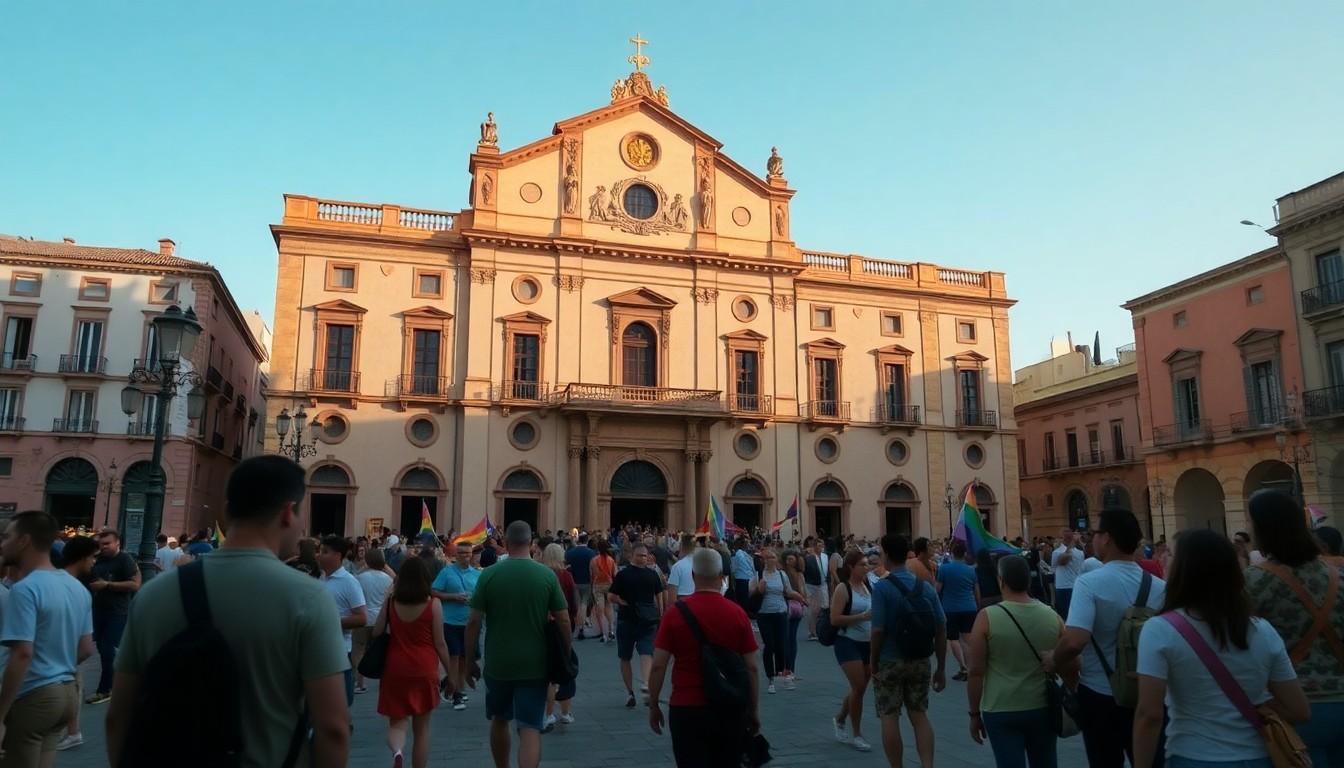
Watch how history and hope meet: residents and activists in Andalucía are turning Pride from a party into a public act of memory, demanding education, protection and a true reckoning with the past as much as celebration in the streets.
Essential Takeaways
- Historic reckoning: Spain’s democratic story includes the repression of LGBT people under Franco-era laws; thousands were processed and many imprisoned.
- Local roots: Barcelona hosted Spain’s first Pride march in 1977 and Sevilla followed in 1978, marking Andalucía as a key site of early resistance.
- Education matters: Comprehensive sexual education is framed as prevention and protection, not ideology; attacks on it risk leaving young people vulnerable.
- Therapies of conversion: These practices are widely discredited and harmful, producing trauma and mental-health crises rather than “help.”
- Ongoing risk: Legal rights don’t erase prejudice; visibility has risen alongside political and cultural attempts to roll back or contest those gains.
Why remembering the past makes Pride sharper today
Start with the image: people who loved quietly for fear of punishment, and a legal system that treated desire as danger. That is the uncomfortable truth shaping modern Pride in Spain. According to historical accounts, the Franco regime’s laws labelled homosexuals as “dangerous”, leading to thousands of prosecutions and hundreds of imprisonments, a reality that still wounds families and communities. Remembering those lives isn’t about nostalgia for struggle, it’s about naming the ways oppression was normalised , and showing why public celebration can also be an act of repair.
Andalucía’s streets wrote early chapters of resistance
Barcelona’s 1977 march is often cited as the first public Pride in Spain, and Sevilla answered a year later. Those early demonstrations weren’t merely festive; they were claims on public life in cities where exile, family expulsions and clandestine networks had been the norm. Today, cities like Sevilla, Málaga and Cádiz still carry that legacy: their festivals and marches are as much about community and memory as about music and floats. If you attend, look for small memorials and community groups who keep local histories alive.
Education as prevention, not politics
The debate over sex education is less abstract than it seems: it affects how children learn about consent, identity and safety. Advocates argue , and health organisations support , that robust, inclusive sexual education reduces harm by giving young people language and tools to protect themselves. When classrooms stop teaching about diverse identities, ignorance fills the gap. If you’re a parent or educator, push for curricula that cover consent, diverse families and mental-health resources rather than allowing the subject to become a political football.
Why “conversion” isn’t therapy and never should be normalised
There’s no medical basis for “curing” a person’s orientation or identity. Professional bodies have long declassified homosexuality as an illness, and the label has been removed from major diagnostic manuals. What masquerades as “conversion therapy” causes shame, anxiety and trauma , and in too many cases contributes to suicidal ideation. Campaigning to ban these practices, to offer survivors therapeutic support, and to educate clergy and community leaders is a practical priority if Pride is to mean safety, not just visibility.
Celebrating with purpose: how to make Pride meaningful this year
Pride can be a joyful, political and healing moment at once. Choose events that combine celebration with education or remembrance; seek out talks, film screenings and memorial walks as well as the parade route. If you’re donating or volunteering, prioritise groups providing legal aid, mental-health services and support for older LGBT people who grew up under repression. And if you go to a parade, remember this: it’s an opportunity to listen as much as it is to be seen.
It's a small change that can make every celebration also a safeguard for the next generation.
Source Reference Map
Story idea inspired by: [1]
Sources by paragraph: