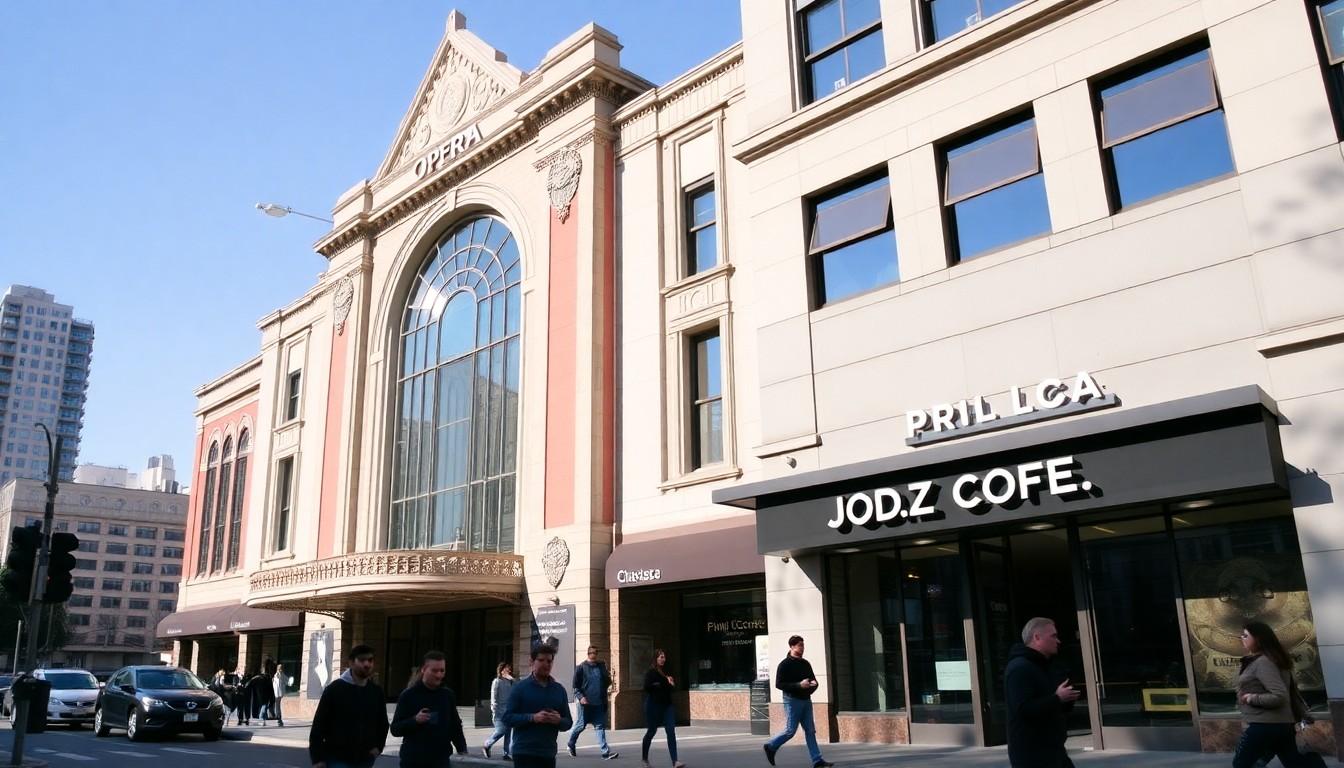
Shoppers and city-goers are noticing a familiar splash of corporate logos as San Francisco Pride returns with renewed funding for its weekend festival; the rebound matters because it keeps the parade free, but also raises fresh questions about corporatisation, community control and where grassroots events fit.
Essential Takeaways
- Funding rebound: S.F. Pride says 2026 sponsorships have largely filled gaps left by 2025 withdrawals, helping restore a balanced budget.
- New and old backers: Long-time partners like Kaiser Permanente stayed on, while Philz Coffee and the San Francisco Opera joined as new supporters.
- Lingering gaps: Major names such as Diageo and Anheuser-Busch haven’t all returned, and philanthropy still covers under 10% of costs.
- Community tension: Independent events like Boof present an edgier alternative, critiquing what they call a “sanitised” experience.
- Sponsor commitments: Pride requires written endorsements of its mission and benefits commitments from corporate partners.
Why sponsors pulling out in 2025 still matters this year
The shock of big-name departures last year , including beverage and media companies , left a visible hole in Pride’s finances and public conversation, with organisers racing to replace lost revenue so the parade could stay free and open. Local reporting at the time tracked a roughly $300,000 shortfall and tied the exits to national political campaigns against diversity initiatives. For many queer San Franciscans the drama wasn’t just about money; it felt like an identity test for an institution that’s long been both protest and party. Practical tip: if you care whether your money supports grassroots work, look at donation and philanthropy options Pride now offers.
Who stepped in and why that matters
This year, a mix of long-standing healthcare partners and local brands helped stabilise the budget , Kaiser Permanente remained, while Philz Coffee and the San Francisco Opera appeared as newer backers. Pride’s sponsorship director says outreach this cycle leaned on conversation rather than confrontation , an approach they summarised as “calling in” rather than “calling out.” The result is a patchwork funder mix that keeps the main weekend running but doesn’t erase debates about influence. If you’re assessing a sponsor’s credibility, check whether organisations include concrete commitments , like equal benefits , in their contracts.
The corporatisation debate isn’t new, but it’s loud again
Complaints about Pride turning into a marketing platform resurface every year, and 2026 is no exception. Critics point to branded floats and massive stage banners as visual shorthand for corporate visibility; organisers argue those dollars underwrite costly infrastructure. Independent promoters call out what they see as sanitised programming aimed at mainstream audiences, and they’re betting on underground parties and ticketed shows to preserve a grittier queer culture. For festival-goers, the practical choice is simple: if you want sober, free daytime events, the main Pride remains the place; if you want underground energy, seek out independent line-ups and late-night shows.
Why independent events like Boof matter to the community
Newer collectives are filling a cultural niche by offering late-night, ticketed events that emphasise queer-led programming and local talent. Organisers say corporate sponsorship flattens risk-taking and centres tourist-friendly acts instead of community voices. Those feels matter: for many performers and attendees, the texture of a room , dim lights, pulsing bass, a local headliner , is as political as any banner. If you’re price-conscious, note that some independent events list financial assistance, and tickets typically run higher than daytime festival entry because they’re covering all costs without big corporate offsets.
Looking ahead: balancing free access with community integrity
S.F. Pride appears to be pursuing a hybrid strategy , keeping major sponsors while trying to expand philanthropy and written sponsor commitments about mission alignment. That diversification doesn’t undo critics’ concerns, but it does create breathing room to fund accessibility, safety and city permits without charging admission for the main parade. The longer-term question is whether more grassroots funding or smaller, mission-driven partners can chip away at corporate dominance. For readers who want to influence the balance, supporting Pride’s philanthropy programme or attending independent shows are direct ways to vote with your wallet.
It's a small shift that can make every parade, party and protest feel a little truer to the people who make Pride.
Source Reference Map
Story idea inspired by: [1]
Sources by paragraph: