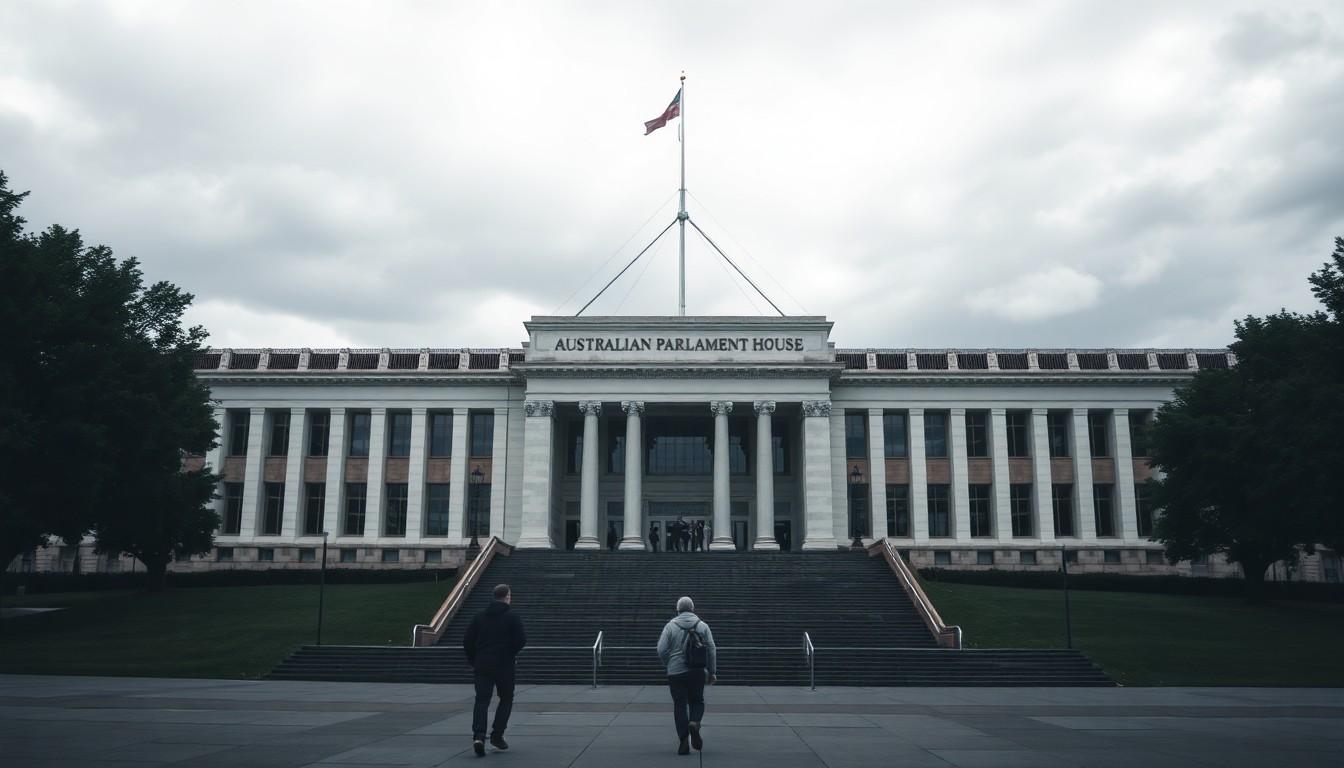
Shoppers of opinion and advocates alike are reeling after Australia declined every LGBTQIA+ specific recommendation in the United Nations human rights review, a move that has advocates warning it leaves gaps in protections, medical care and school safety that still matter to everyday Australians.
Essential Takeaways
- What happened: Australia rejected all eight recommendations specifically addressing LGBTQIA+ rights during the United Nations Universal Periodic Review, drawing sharp criticism.
- Key concerns: Rejected proposals included removing religious exemptions for faith-based schools, banning conversion practices, public anti-stigma campaigns and protections for intersex children.
- Community reaction: Equality and intersex advocates called the government’s response “bitterly disappointing” and said it signals a lack of urgency on equality and safety.
- Wider context: The UPR covered hundreds of recommendations across many human-rights areas, and advocates say LGBTQIA+ issues were uniquely left without accepted reforms.
- Practical impact: Expect renewed campaigning, legal challenges and pressure for federal reform on discrimination carve-outs and medical protections for intersex minors.
A blunt decision that landed hard , and why it feels personal
The sharpest line here is simple: Australia told the UN it wouldn’t adopt recommendations aimed specifically at improving the lives of LGBTQIA+ people. That landed with a thud among equality groups, many of whom say the result is both symbolic and material , it shapes the government’s priorities and the pace of change. The lack of acceptance on school exemptions, conversion practices and intersex medical protections felt, to many, like a missed chance to close well-known gaps in rights and safety.
How the Universal Periodic Review put these issues on the global stage
The Universal Periodic Review is a cyclical UN check-up that sees other countries and UN mechanisms suggest what a state should do to meet human-rights obligations. This round saw roughly 332 recommendations to Australia on everything from First Nations issues to refugee treatment. The LGBTQIA+ recommendations came from a mix of states including Belgium, Iceland and Mexico, which specifically asked Australia to tackle legal carve-outs and harmful practices. For advocates, the panel was a blunt reminder that the world is watching what Australia does , or doesn’t , on these matters.
Schools, religion and the sticky policy debate on exemptions
One of the hottest flashpoints is religious exemptions that allow faith-based schools to exclude or treat LGBTQIA+ students and staff differently. Critics argue these carve-outs create an uneven playing field in education and harm young people’s wellbeing. Supporters of the exemptions frame them as protecting religious freedom. The government’s refusal to accept UN calls to remove these exemptions means the debate will stay live in Australia, keeping campaign groups in the legal and political arena for the foreseeable future.
Intersex children and the medical ethics showdown
Intersex advocates have been pushing for years to end non-consensual, medically unnecessary surgeries on children. International peers urged Australia to provide protections and accountability; the government’s response was to decline these recommendations. That prompted dismay from medical ethics and human-rights voices who say without concrete commitments, invasive practices can continue unchecked. Expect activists and clinicians to keep pressing for clearer rules, better data and consent-based pathways.
What comes next , advocacy, scrutiny and possible reform routes
This decision isn’t the end of the road. Human-rights NGOs, legal centres and community groups are already signalling intensified campaigns: lobbying, public education, litigation and more submissions to parliamentary inquiries. According to past UPR cycles and commentary from rights organisations, rejected recommendations often return as domestic policy fights, framed now with fresh international pressure. For families, schools and clinicians, the immediate result is uncertainty; for campaigners it’s a call to sharpen strategy.
It's a small change at the diplomatic level that could make a big difference in everyday safety and dignity , or at least it should spur us to keep asking for better protections.
Source Reference Map
Story idea inspired by: [1]
Sources by paragraph: