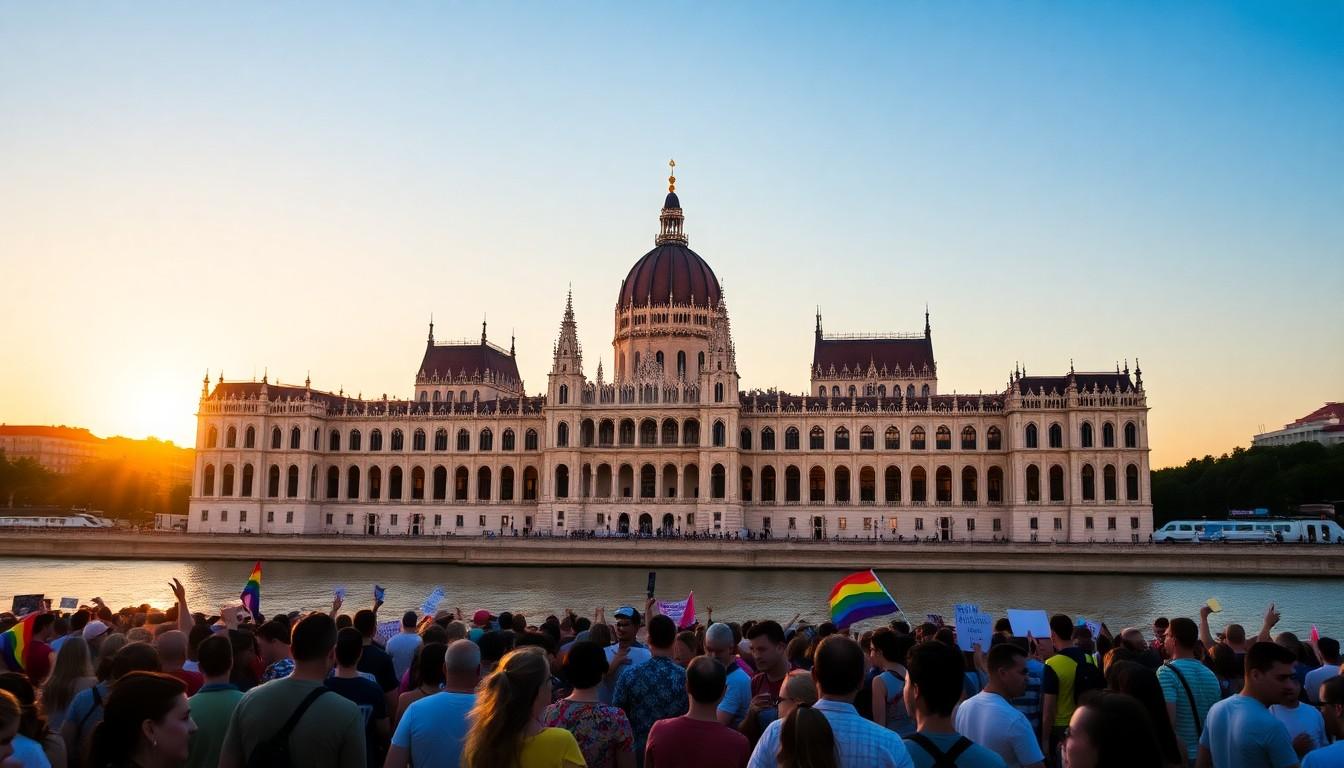
Shoppers, tourists and locals watched as Budapest erupted in colour , a momentous Pride parade marked the queer community’s first large, unbarricaded march since political change, drawing thousands and signalling a shift in Hungary that matters across Europe.
Essential Takeaways
- Mass turnout: Estimates put attendance in the low tens of thousands, with a festive, upbeat atmosphere and lots of rainbow flags.
- High-profile support: European Commission President Ursula von der Leyen and EU Commissioner Hadja Lahbib both publicly backed the march, sending an encouraging diplomatic signal.
- New political context: The parade follows the fall of Hungary’s previous far-right-leaning government, which had banned Pride last year.
- Public mood: The event felt celebratory and safe, with participants describing relief and joy, and a visible police presence aimed at protection rather than restriction.
A triumphant return: streets alive with colour and relief
The strongest image from Budapest this weekend was simple and sensory , a river of people, music and people shouting joyfully, not hiding. Ursula von der Leyen tweeted that “today all Europe is proud,” underlining how this parade felt both local and continental. According to multiple reports, the mood was celebratory rather than confrontational, a marked contrast to the tension of the previous year when authorities halted Pride. For attendees, this wasn’t just a festival; it was a public reclaiming of space and dignity.
Why politicians turning up matters
When senior EU figures stand in solidarity it changes the story. Von der Leyen’s public message and the presence of Hadja Lahbib gave the march diplomatic weight and reassurance. Reuters and allied coverage highlighted how that shows Brussels is watching and supportive , and that matters to activists who’ve faced hostile legislation. Practically, outside support can deter aggression and signal to local officials that the world is paying attention.
From ban to parade: what changed in politics
The parade follows the collapse of Hungary’s previous government, which had backed anti-LGBTQ measures and last year’s ban on the march. International outlets noted that police this year approved the Pride route, and organisers marched without the heavy-handed restrictions many feared. That political shift isn’t a cure-all, but it opens room for civic life to normalise; activists say it’s a vital breathing space to push for legal protections and everyday acceptance.
What the turnout says about public mood
Journalists on the ground reported crowds in the thousands , some outlets suggested more than 10,000 people , and a broad cross-section of society joining in. The scene included families, older participants and visibly supported allies, which makes the moment feel less niche and more mainstream. For brands, cultural venues and employers, the visible support signals shifting expectations: communities now expect respect and celebration, not marginalisation.
Safety, organisation and lessons for other Pride events
This year’s Budapest Pride underlined how planning and public messaging shape outcomes. Organisers worked with police and local authorities, while European attention arguably raised the stakes for a calm, safe event. If you’re organising or attending a Pride elsewhere, practical takeaways are clear: co‑ordinate early with local services, communicate expectations to participants, and cultivate visible allies. The result in Budapest shows that careful planning plus public backing can turn a protest into a festival of dignity.
It's a small change on paper but a big one on the pavements , and for many, a chance to be seen without fear.
Source Reference Map
Story idea inspired by: [1]
Sources by paragraph: