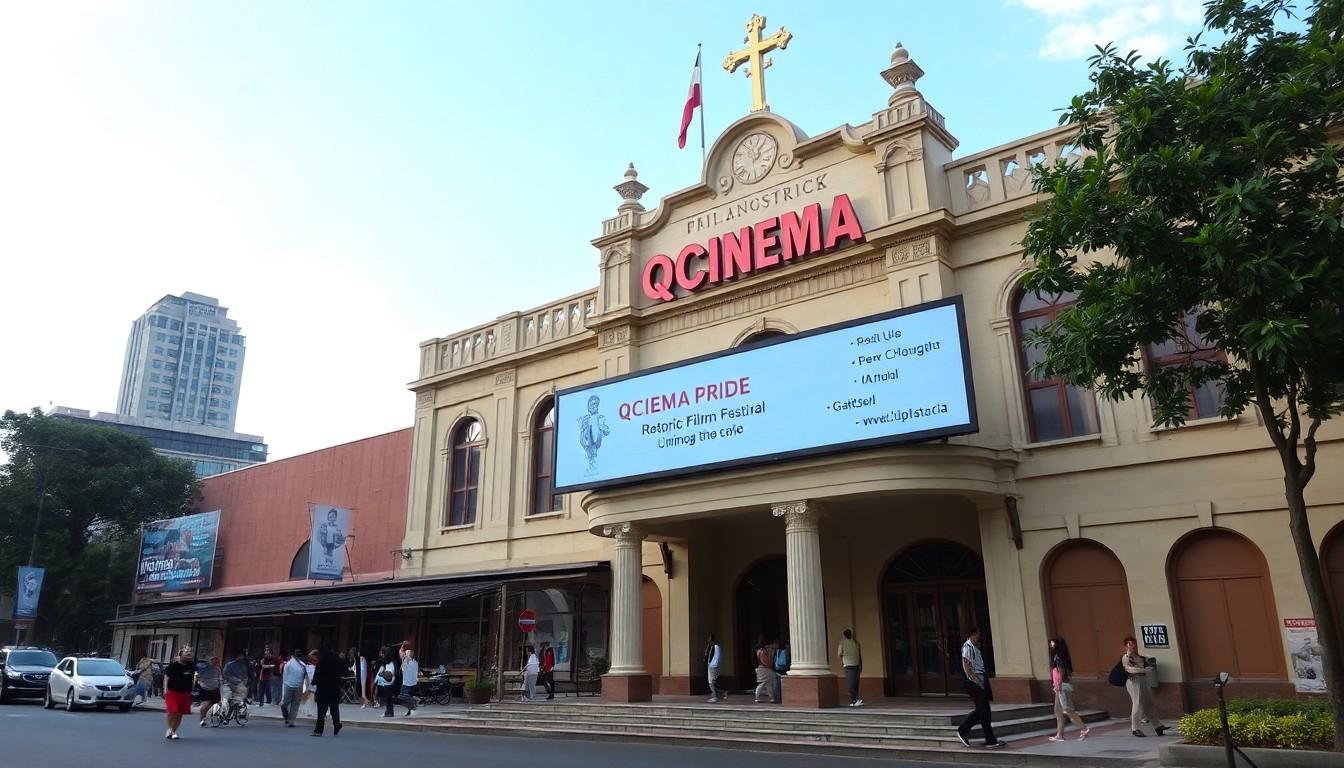
Celebrate loud, celebrate loud and proud: Pride Month 2026 is back with parades, politics and purpose, as communities across the Philippines and beyond mark history, demand rights, and enjoy colourful expression , here’s what to know, where it came from, and how to take part safely and thoughtfully.
Essential Takeaways
- Origins matter: Pride grew from the Stonewall uprising in June 1969 and evolved into an annual month of protest-turned-celebration. It feels both joyful and political.
- Symbols evolve: The rainbow flag, created in 1978 for visibility and unity, now carries wider inclusive versions reflecting diverse identities.
- Local momentum: The Philippines’ first Pride march was in 1994; today events blend celebration with campaigns for laws like the SOGIE Equality Bill.
- Practical planning: Expect big crowds, shifting weather and a mix of festivities and vigils , dress for comfort, carry water, and look out for community booths.
- Why it still matters: Legal wins and cultural visibility help, but discrimination and legislative gaps persist, so Pride remains both a party and a platform.
Why June became Pride Month , a short, loud history
June’s colour and clatter didn’t start as a calendar event, it began as confrontation , the Stonewall uprising in New York City in June 1969 sparked a movement that refused silence. The moment felt raw and urgent, a community pushing back against police raids and social stigma, and it set the template for public protest and visibility. History outlets and rights groups mark Stonewall as the turning point that moved scattered activism into organised demands for rights and recognition. That shift explains why Pride still balances parades with politics: there’s joy, but there’s also memory and purpose. If you enjoy the pageant, remember the roots , many marches still include rallies, legal clinics and remembrance ceremonies to honour those who fought and those still marginalised.
How the rainbow flag did more than brighten streets
The rainbow banner you see everywhere started in the late 1970s as a simple, striking symbol of unity and diversity. Commissioned in San Francisco, it gave a visual shorthand for visibility and belonging, and it spread quickly because it was bold, simple and hopeful. Over time designers and activists added colours and new flags to represent transgender, intersex, people of colour and other groups, reflecting a wider, more inclusive movement. That evolution shows how symbols change to match community needs , flags are not static. When you spot different flags at a march, it’s a useful cue: organisers are signalling who the event welcomes and what conversations they’re centring.
Pride in the Philippines , from protest to pageant and back again
The Philippines hosted its first Pride in 1994 with only a few dozen marchers. That early demonstration leaned heavily on political demands , access to health services, anti-discrimination protections and visibility in a conservative society. Since then, Pride in the Philippines has ballooned into colourful, city-wide events while keeping a civic edge. Local news coverage and LGBTQ+ organisers note a recurring tension: grande parades and celebrity performances attract attention and allies, but they can also mask unfinished work, like passing the SOGIE Equality Bill. Practical progress arrives in increments , recent court rulings recognising some rights for couples living together are welcome, but activists say full legal equality is still needed. If you’re joining a Philippine Pride this year, expect mix of community stalls, performances, policy panels and a determined call for legal protections.
What to expect at a modern Pride , practical tips
Pride is sensory: music, banners, chatter, the smell of street food and the hum of a crowd. Bring sunscreen, comfortable shoes, refillable water bottle and a small light bag for essentials. If you’re attending protests or marches, check organisers’ guidance about meeting points, permitted items and safety marshals. For first-timers: arrive early to find quieter spaces, follow local stewards if you feel overwhelmed, and ask permission before taking close-up photographs of people. Volunteering at a stall or joining a community group can make the day richer and less performative. If weather or crowd size worries you, many events stream segments online, and community centres often host quieter, family-friendly gatherings.
Pride beyond June , why the work continues
Pride Month brings visibility and momentum, but rights struggles don’t end when the flags come down. Legislative campaigns, workplace inclusion, mental health services and anti-violence programmes need year-round investment. Advocacy groups use Pride to raise awareness and funds so that legal and social changes can keep pace with cultural acceptance. Organisers, journalists and civil-society voices agree: visibility helps reduce stigma but it doesn’t automatically create protections. So while we celebrate, there’s an ongoing civic ask , support policy, back local organisations and keep conversations open in your community. It’s the mix of celebration and sustained effort that will make future Prides even more meaningful.
It's a small, colourful commitment that keeps history in view: join, listen, and keep pushing for the rights behind the revelry.
Source Reference Map
Story idea inspired by: [1]
Sources by paragraph: