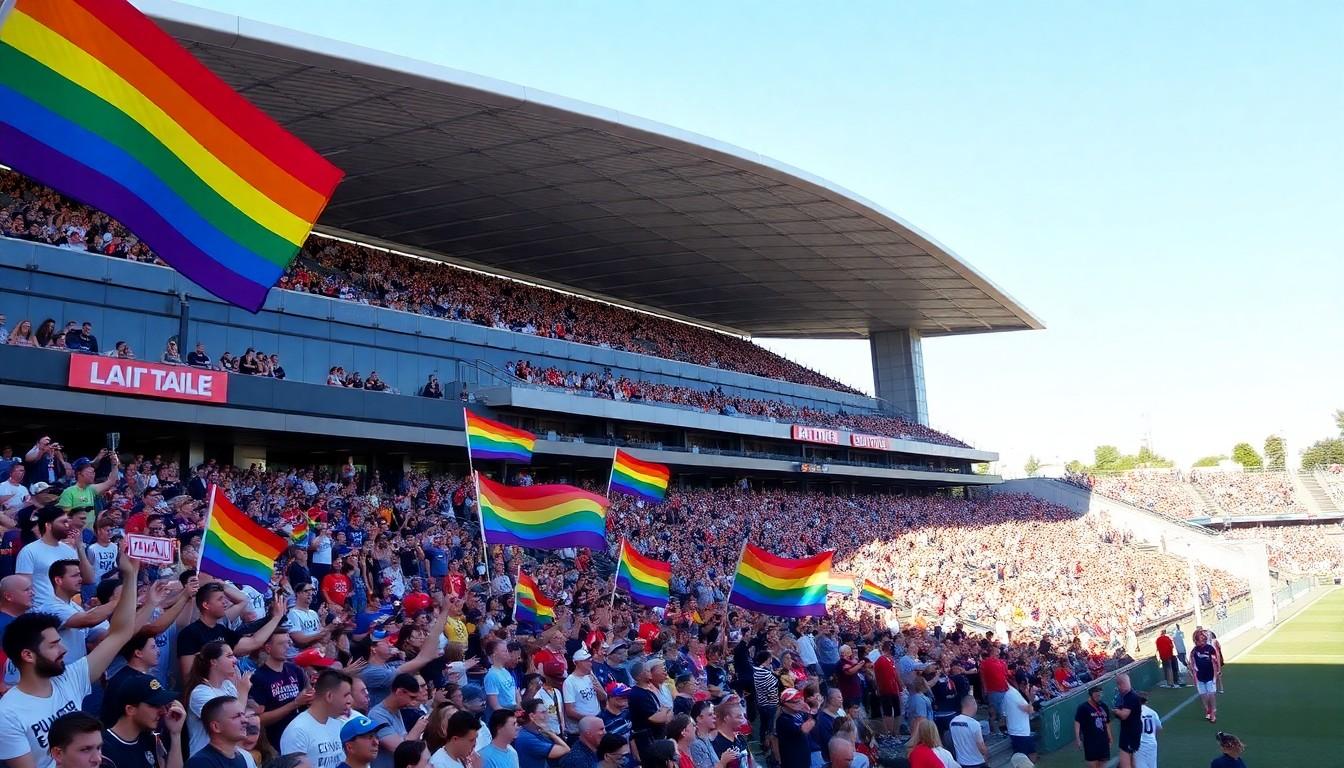
Shoppers and fans alike noticed rainbow flags waving among Egyptian and Iranian banners during Seattle’s high‑stakes World Cup fixture, a spontaneous Pride Match moment that highlighted inclusion, local activism and international debate over symbols of LGBTQ rights at sporting events.
Essential Takeaways
- Visible support: Rainbow flags and Pride scarves were widely seen in the crowd, creating a colourful, inclusive atmosphere.
- Official pushback: Iran and Egypt formally complained to FIFA about the Pride Match celebrations but fans still waved flags inside the stadium.
- FIFA stance: organisers treated the rainbow as a human‑rights symbol, allowing its display while keeping pre‑match ceremonies neutral.
- Local impact: Seattle groups handed out face paint and flags, and many fans said the scene felt meaningful and hopeful.
- Safety and access: Spectators reported no trouble entering the stadium with Pride items; the event coincided with the city’s larger Pride weekend.
A loud, colourful sight on a rainy Seattle day
Seattle’s stadium looked less like a battleground and more like a block party, with rainbows popping against national colours and the odd painted cheek catching the light. Fans spoke of a buoyant, hopeful energy as thousands of people streamed in waving Pride scarves and small flags. According to local reports, community groups had handed out goody bags and face paint, turning ordinary attendees into visible allies and making the match feel like part of the city’s larger Pride weekend.
Why Iran and Egypt objected , and what FIFA said
Both federations lodged formal complaints with FIFA before the match, arguing that promoting Pride would clash with their cultural and religious positions. FIFA and the Seattle organising committee navigated that tension by distinguishing between official match ceremonies, which were kept neutral, and fan expression, which the governing body allowed. International outlets covered the dispute closely, noting FIFA’s framing of the rainbow as a human‑rights symbol rather than a political protest.
Fans vs governments: different voices in the stands
Several fans pointed out the tension between a country’s government and its people. Spectators from Iranian and Egyptian communities in Seattle called the moment an opportunity to show intersectional identities and solidarity. Others said they hoped images from the match might reach people back home and offer a glimpse of acceptance. Observers noted that, in practice, most of the crowd seemed focused on the football, but the visible Pride flags added an unmistakable layer of civic expression.
What this means for future matches and protests
The Seattle moment is likely to be a reference point for future tournaments: it shows how host cities and organisers can allow fan‑led expression while trying to respect delegations’ sensitivities. Rights groups and local organisers see value in visibly connecting sport with human‑rights messages, and FIFA’s handling suggests it will continue to permit fan displays even when national federations object. For travelling fans, the takeaway is simple , bring your flag, but be mindful of stadium rules and local context.
Practical tips for fans attending charged fixtures
If you’re going to a match where politics and pride meet, think ahead. Pack compact flags and scarves, avoid obstructing views, and check official stadium guidance on permitted items. Stay respectful of other fans and remember that gestures , a painted face, a small flag , can feel like a lifeline to someone watching from afar. Above all, enjoy the game; protest and celebration can coexist without taking over the spectacle.
It's a small change that can make every cheer and every flag feel safer and more meaningful.
Source Reference Map
Story idea inspired by: [1]
Sources by paragraph: