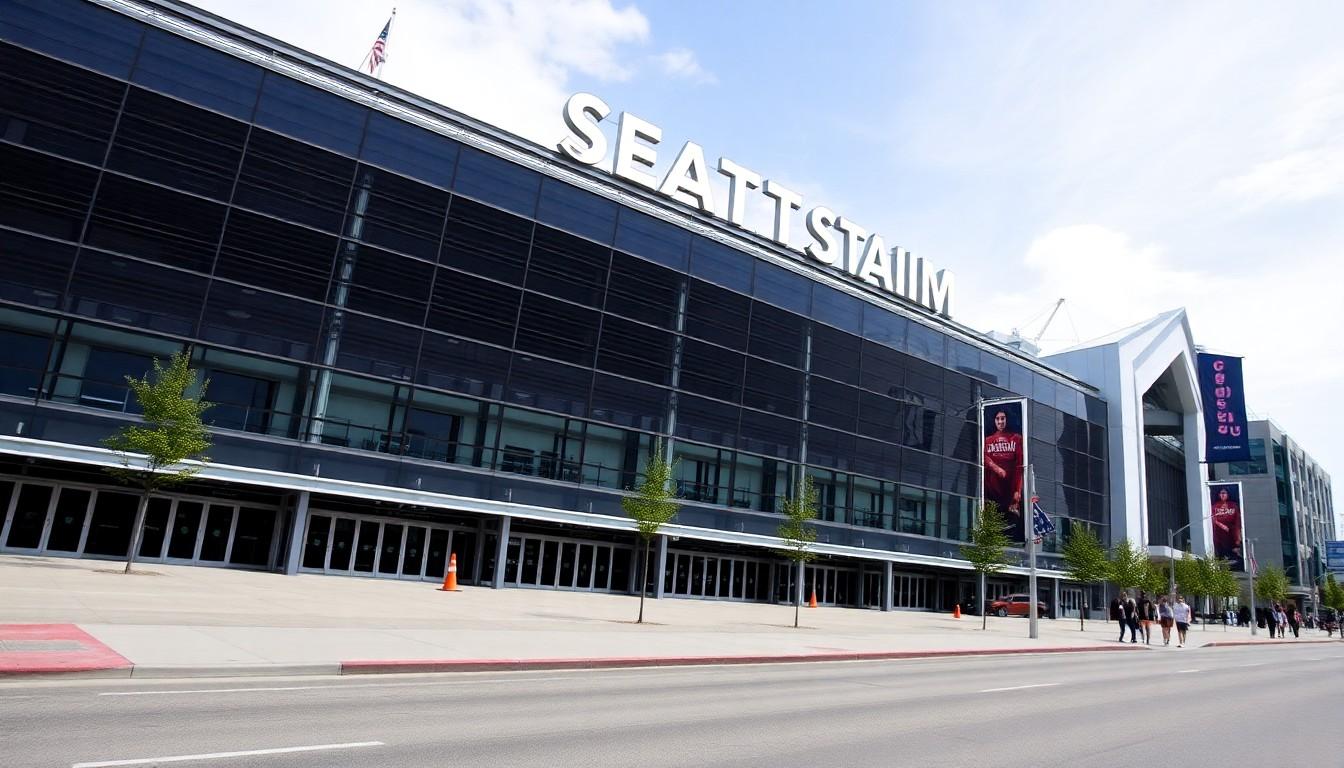
Shoppers, fans and activists have noticed a sudden silence: Seattle’s planned Pride Match Day events around today’s Egypt–Iran World Cup game have been cancelled after both visiting federations secured FIFA assurances that there’ll be no LGBT+ ceremonies or rainbow flags inside or outside the stadium. Here’s what happened, why it matters, and what fans can expect.
Essential Takeaways
- Event cancellation: Seattle’s planned Pride Match Day events tied to the 26 June fixture were called off after Iran and Egypt sought and received guarantees from FIFA.
- Cultural clash: Both countries regard homosexuality as criminal; Iran enforces harsh penalties, which shaped their demand.
- Local organisers disappointed: The city and community groups had prepared visibility events and an official Pride Match Day programme.
- FIFA position: The governing body reportedly assured visiting federations no official Pride activities would form part of the match programme.
- Practical note: Fans should check local guidance for permitted signage and any approved fan activities near the stadium.
What was planned , a colourful idea meets geopolitics
Seattle had announced a Pride Match Day as part of the city’s World Cup hosting activities, with an official community page explaining it as a celebration of visibility and belonging linked to FIFA 2026. The imagery was bright, the tone inclusive, and the timing was deliberate , the match fell inside Pride Month and near the anniversary of Stonewall, a touchstone moment for LGBT+ rights. For many locals the plan felt natural: a city proud of its queer culture welcoming the world with rainbow flags and marches. But the sensory reality , banners, colourful crowds, a noisy, joyful parade , has been replaced by an uneasy quiet.
Why Iran and Egypt objected
The row centres on competing values. Iran and Egypt have both signalled discomfort with visible LGBT+ symbolism around their match, and Tehran in particular stressed the objections reflect shared cultural and religious sensitivities. Iran treats same-sex relations as criminal, with punishments that can be extreme; Egypt also criminalises LGBT+ people in practice. So when those federations requested reassurances, FIFA reportedly moved to prevent official Pride activities from being part of the match’s programme. This isn’t just sport; it’s a diplomatic request with legal and safety implications for the visiting teams.
FIFA, hosts and the tug of rights versus access
FIFA faces a perennial balancing act: promote universality and avoid excluding host cities’ identities, while also ensuring visiting teams feel safe and respected. According to reporting, the governing body agreed that there would be no formal Pride ceremonies tied to the match , a compromise that pleases visiting delegations but frustrates local activists who intended to pair the World Cup spotlight with Pride Month. Cities hosting global events increasingly weigh the reputational boost of visible inclusivity against the reality that teams come from countries with very different laws and values.
What this means for fans and Pride organisers
If you planned to attend with rainbow flags or were joining an official parade, check the latest local guidance from stadium officials and the city’s FIFA 2026 information pages. Independent, peaceful demonstrations away from restricted match zones often remain possible under local law, but organisers are rightly cautious about anything that could be construed as interfering with a match or endangering attendees. For activists, the cancellation stings: Pride Match Day was intended as visibility theatre tied to a global stage. Now the conversation may shift to off-site events, solidarity actions, and social media campaigns that don’t depend on formal match programming.
The wider picture , sport, symbolism and future tournaments
This episode is part of a bigger trend where global sporting events become arenas for cultural contestation. From boycotts to symbolic displays, host cities and governing bodies increasingly face pressure to take explicit stances on human rights. Seattle’s situation shows how timing , a match during Pride Month and close to the Stonewall anniversary , can magnify tensions. Looking ahead, organisers, federations and FIFA will likely be pressed to clarify policies about political and social symbols before tournaments begin, so communities know whether their planned visibility will be embraced or curtailed.
It's a small change that makes clear how big the questions are about sport, safety and who gets to be seen.
Source Reference Map
Story idea inspired by: [1]
Sources by paragraph: