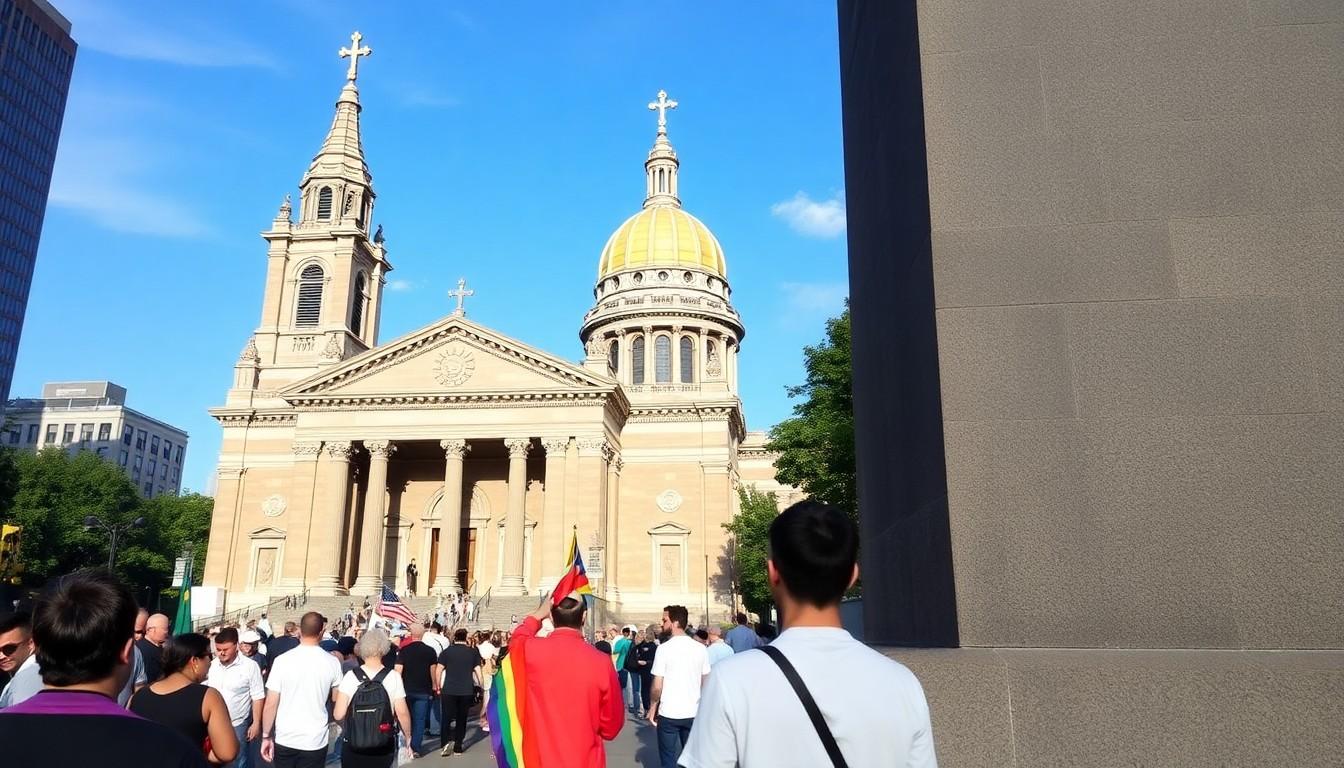
Shoppers of news and churchgoers alike have noticed a flare-up of ritual and rhetoric , a Stonewall Pride Mass in New York and a glitter “fairy dust” blessing in Portland that speak to changing liturgical choices and pastoral styles. Who organised them, what they meant, and why Catholics and Protestants are talking about sacred space now matters.
Essential Takeaways
- Event: A Pride-themed Mass was held outside Stonewall National Monument by St. Paul the Apostle in Manhattan, drawing attention for its location and language.
- Pastoral tone: The presiding priest offered explicit recognition to transgender Catholics and apologised for injustices they face.
- Canon concerns: Canon law experts say Masses outside sacred space should meet strict criteria like necessity, raising questions about location choice.
- Other denominations: A Mennonite congregation in Portland offered a “fairy dust” or glitter blessing, administered in a ritual style compared to communion.
- Sensory note: The Portland blessing included tactile elements , glitter, dried flowers and dirt , which made it visibly theatrical and symbolic.
What took place at Stonewall, in plain terms
The Mass took place across the street from the Stonewall Inn, a symbolic site for LGBT history, and was led by a Paulist priest from St. Paul the Apostle. The service explicitly named transgender Catholics and included an apology for the unique injustices they face. That direct pastoral language felt intentional, warm and pointed , the kind of remark that lands in the room and stays with people. According to reports, organisers framed the outdoor location as part of a ministry-style statement about meeting people where they are.
Why location has canon-law people talking
Canon law sets rules about celebrating Mass outside a consecrated church, and the conversation here isn’t only theological , it’s procedural. Experts have noted that a Mass outside should normally be justified by necessity, such as large crowds or pastoral need, and must be held in a decent place. Stonewall’s colourful, nightlife-linked reputation prompted debate about whether it fits the traditional notion of a “loco honesto.” That tension between pastoral outreach and canonical norms is exactly why this event caught the attention of canonists and bishops.
The tone and language of pastoral inclusion
The priest’s words of recognition and apology for transgender Catholics weren’t just symbolic; they show how some clergy are choosing to name groups previously marginalised in public liturgy. That’s a pastoral choice with consequences , it comforts some, unsettles others, and invites wider debates about doctrine, discipline and accompaniment. For parishioners wondering what this means locally, the practical takeaway is simple: clergy are experimenting with where and how to say Mass, and parish communities will need to decide whether they welcome that tone.
A Mennonite glitter blessing shows a different, creative approach
Meanwhile, in Portland a Mennonite congregation offered what organisers called a “fairy dust” or glitter blessing made from glitter, dried flowers and dirt from meaningful places. Delivered in a way likened to communion, the blessing is an example of tactile, experiential liturgy outside traditional forms. It’s playful and sensory , people saw and felt the glitter , but it also raises questions about sacramental analogy and how far worship can stretch into performance while retaining spiritual meaning.
What this means for churchgoers and neighbours
If you’re a parishioner, these events are a reminder to ask how your community handles public ministry and pastoral language. Look for clarifying statements from parish leadership or the diocese if you’re unsure about doctrine or discipline. If you’re curious, attend a service or a conversation hour , hearing people explain their aims often calms suspicion. And if you feel uncomfortable, raise that concern respectfully; liturgical experiments work best with parish input.
It's a small shift in practice, but one that reshapes who feels seen when the church steps outside its usual doors.
Source Reference Map
Story idea inspired by: [1]
Sources by paragraph: