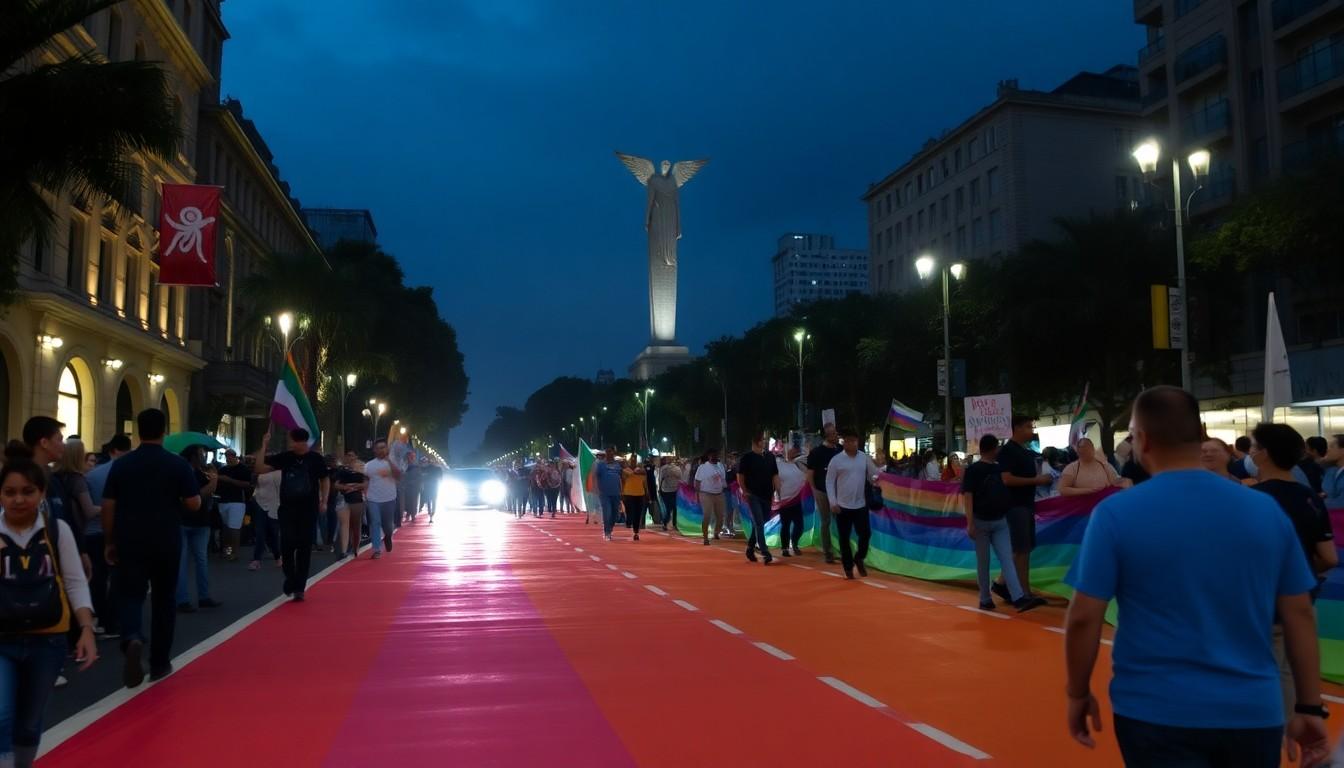
Shoppers, residents and visitors took to the Paseo de la Reforma on 27 June as Mexico City held its 48th LGBT+ Pride march , a colourful, sometimes rainy procession from the Ángel de la Independencia towards Bellas Artes, with protest banners, collective weddings and extra security because of World Cup Fan Fest closures.
Essential Takeaways
- When and where: The 48th Pride march began on 27 June along Paseo de la Reforma, with people gathering from 9am and contingents moving by midday.
- Altered finish: FIFA Fan Fest structures at the Zócalo meant organisers redirected the final route, though officials allowed controlled access to the square via alternative entrances.
- Safety measures: City authorities deployed security and anti-alcohol operations; transport and access routes were published in advance.
- Community focus: Groups protesting disappearances and hate crimes led sections of the march, while collective wedding ceremonies took place near the Ángel and Fan Fest areas.
- Weather and logistics: Rain affected parts of the route; attendees were advised to consult mobility notices and expect crowd-control checkpoints.
What actually happened on the march , vivid scenes and practical details
By mid-morning the mood was unmistakable , bright flags, handmade placards and the hum of radios from security teams, even as showers dampened parts of the route. The parade set off from the Ángel de la Independencia and moved towards the historic centre, but with changes to the final destination because of World Cup Fan Fest infrastructure. For anyone planning to attend next year, expect early starts, layered clothing and a bit of patience while stewards manage heavy foot traffic.
Why the Zócalo was off-limits , and how the city handled it
The plaza at the Zócalo was occupied by FIFA Fan Fest structures for the 2026 World Cup, so the march couldn’t finish its traditional route there. The city’s Secretariat of Government announced controlled access to the square through alternate entrances to keep people safe and the event orderly. It’s a reminder that major global events reshape local logistics , and that organisers and authorities must balance celebration with public safety.
Security, transport and crowd advice , what officials recommended
Mayor’s offices and mobility departments published recommended routes and public-transport options ahead of the day, and there were visible police and municipal stewards along the boulevard. Anti-alcohol operations were in force inside parts of the march to reduce risks. If you’re attending similar events, use public transport, arrive early, follow official route updates and have a meeting point in case you get separated.
The movement side , protests, disappearances and collective ceremonies
This year, groups campaigning against disappearances and hate crimes were at the front of the march, asserting that Pride is as much about rights and protection as it is about celebration. Nearby, collective weddings took place at the Ángel and by Fan Fest access points, blending ceremony with protest. For many attendees, the mix of joy and activism underlined that Pride remains a platform for visibility and political demands.
Weather, crowds and what to pack
Rain showed up for part of the day, which made waterproofs, comfortable shoes and a small dry bag for electronics worthwhile. With stewards checking access and controlled entry to sensitive areas, lightweight ID and a charged phone were sensible extras. And if you’re bringing friends or family, agree a clear rendezvous point away from the busiest exits.
It's a small change , re-routed steps, extra checks , but one that helps keep a vast, noisy, meaningful celebration safe.
Source Reference Map
Story idea inspired by: [1]
Sources by paragraph: