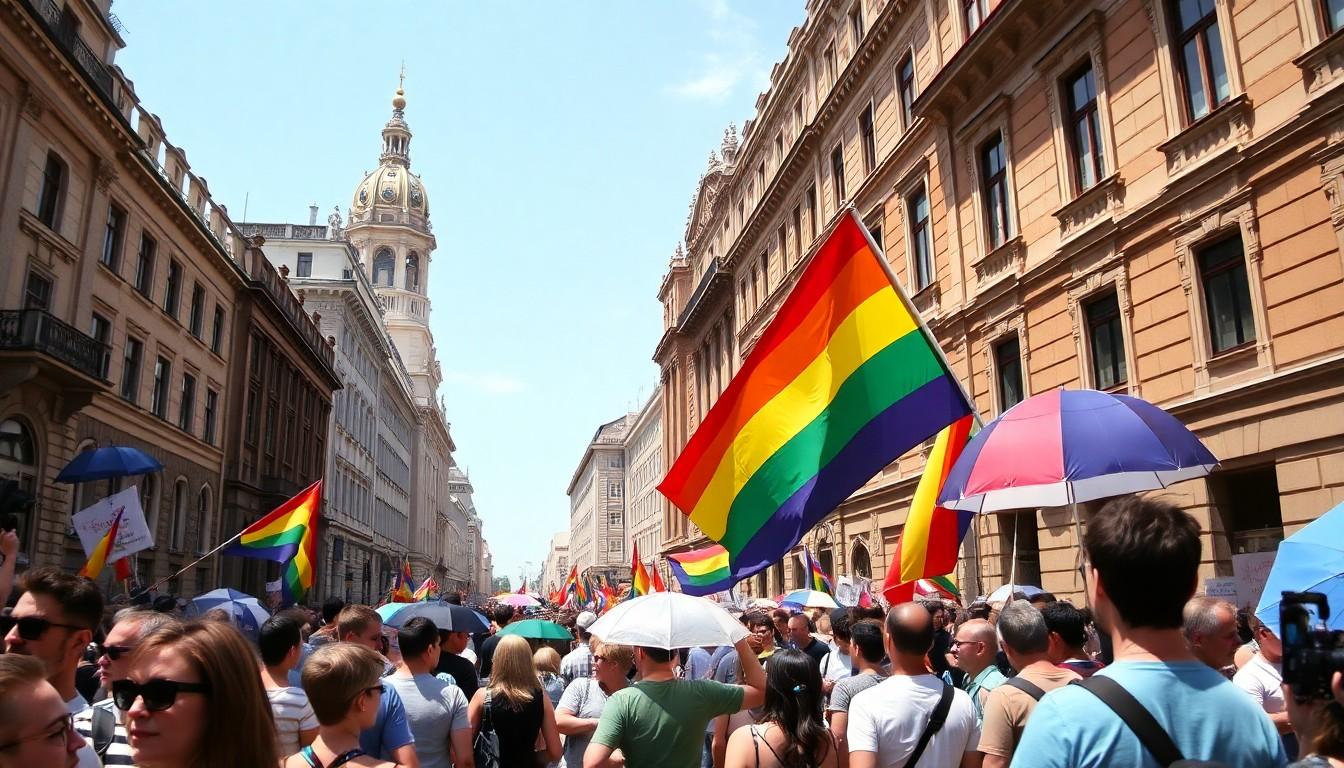
Shoppers are turning out in spirit as Budapest staged its first big Pride since the government change, and the mood was strikingly upbeat , a mix of relief, celebration and political purpose that mattered to participants and onlookers across the city.
Essential Takeaways
- Lively turnout: Organisers report a buoyant, more relaxed atmosphere compared with last year, even if heat and international postponements kept some people away.
- Still political: Many participants see Pride as part protest, part festival , issues like marriage and adoption rights remain unresolved.
- Visible gestures: Public services, such as the army handing out water, signalled a different, less hostile vibe than before.
- Cautious optimism: Activists welcome the new government’s gestures but call for concrete policy changes, not just words.
A brighter parade with a political pulse
Budapest’s Pride felt celebratory and slightly lighter on its feet, with colours everywhere and people smiling despite the summer heat. According to participants, the change in government loosened a tension that had hung over last year’s march, making space for laughter and relief as much as slogans. International coverage noted the same mix of joy and caution, underlining that while the tone has shifted, the political issues that brought people into the streets remain front and centre. For anyone deciding whether to join next year: expect a party with purpose , music, community and clear demands for legal equality.
Why organisers chose not to cancel despite heat and global pullbacks
Organisers faced a real dilemma when heatwaves postponed parades in Paris and New York, yet they pushed ahead in Budapest. Volunteers said cancelling would have been logistically and financially brutal , performers, stages and food stalls were contracted, and the flow-on effects would have been serious. There was also a pragmatic human touch: short, passing visits from neighbours and passersby still mattered. If you’re planning to attend a summertime Pride, pack sun protection, plan for water breaks and know that even a five-minute appearance can feel meaningful.
Political gestures and what they mean in practice
Small but visible actions , from officials visibly supporting the route to uniformed personnel handing out water , altered the mood for many marchers. Observers and activists welcomed these signals, but they stressed that gestures aren’t a substitute for rights: marriage and adoption remain closed off to same-sex couples, and constitutional language still carries stigmatising implications. Human Rights Watch and other commentators have urged that symbolic support be followed by tangible legal reforms. In short, applause is nice, but campaigners want law and policy to catch up.
Voices from the crowd: gratitude, caution, and calls for action
Participants expressed a mix of gratitude and persistence. Some said they felt freer to show up; others reminded onlookers that Pride has always been both celebration and protest. Organisers noted that while numbers were lower than in a heat-free year, the atmosphere was more relaxed and inclusive. For politicians, the message was simple: appearing would have had symbolic weight, but real progress requires legislative change and public policy that protect rights, not only public statements.
Looking ahead: momentum without complacency
The march gave activists a boost and gave civic life in Budapest a splash of colour after a tense period. But organisers and rights groups cautioned against complacency: human rights groups continue to catalogue concerns, and advocates want concrete steps on marriage, adoption and anti-discrimination enforcement. If the new political mood is to mean lasting change, expect pressure from civil society to translate festival energy into policy wins. For supporters, staying involved between Prides is the practical move.
It's a small change that can make every celebration mean something more.
Source Reference Map
Story idea inspired by: [1]
Sources by paragraph: