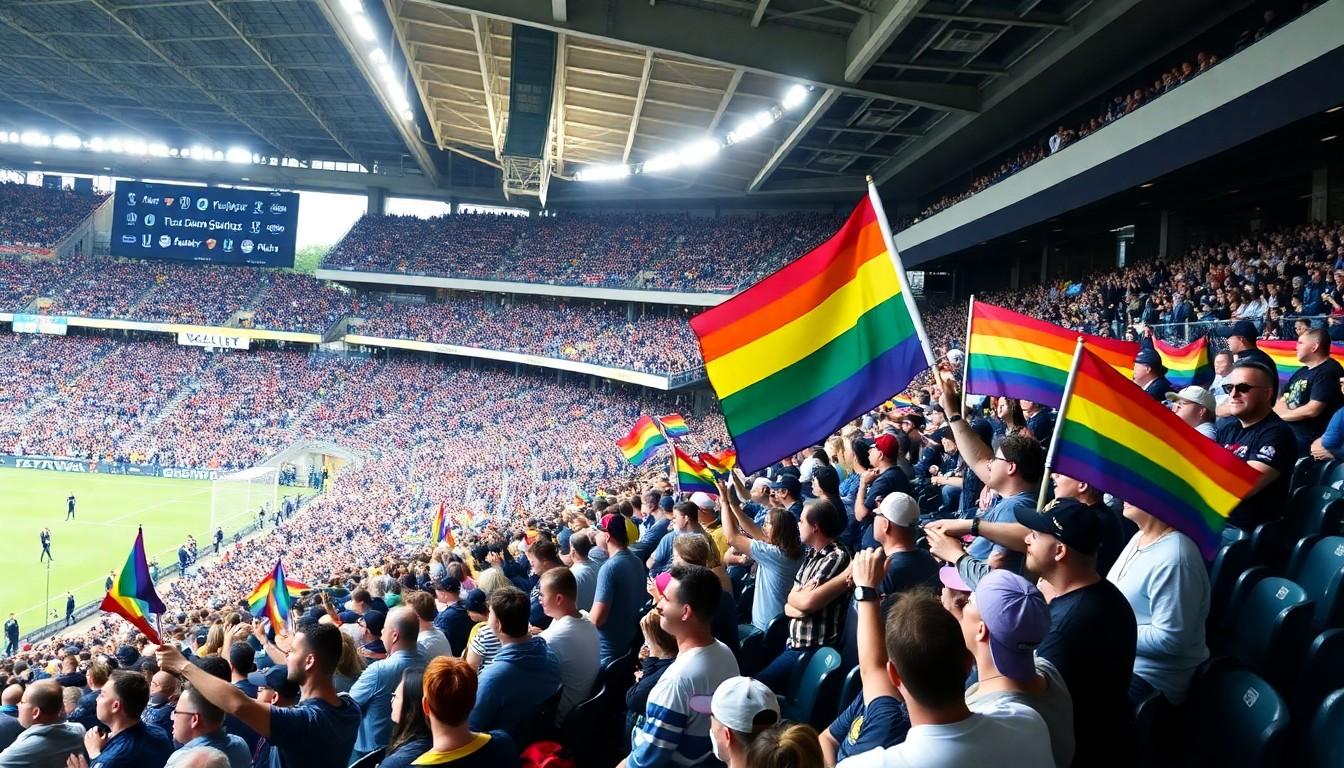
Watchers in Seattle turned a routine group game into a quiet Pride moment, as fans waved rainbow flags at the Egypt‑Iran World Cup match , a gesture that mattered because both teams come from countries where same‑sex relationships face legal or practical bans.
Essential takeaways
- Visible support: Rainbow flags and face paint were spotted among fans arriving for the Egypt‑Iran match, giving the stands a colourful, defiant feel.
- FIFA stance: The governing body confirmed fans would not be banned from bringing rainbow flags despite protests from the Egyptian and Iranian federations.
- Local context: Seattle PrideFest had nominated the fixture as the city’s Pride match, and volunteers handed out flags near the stadium.
- Low‑key inside: Stadium announcers didn’t foreground Pride during the match, which proceeded as a sporting event and finished 1–1.
- Safety and identity: Some attendees, including US‑based Iranians, balanced pride and caution because of family in Iran.
Opening hook: flags and faces
A smattering of rainbow flags and painted faces gave the crowd a soft, colourful edge that television pictures barely captured, but which those in and around the stadium clearly felt. According to reporting by the Associated Press, supporters carrying pride flags and accepting handouts from a human‑rights group made the arrival area outside the stadium feel like PrideFest spilled onto the concourse. For many fans it was a small, visual act of solidarity , bright, quiet and unmistakable.
Backstory and why it mattered
Seattle’s Pride organisers had designated the June 26 fixture as the city’s Pride match well before kick‑off, which meant the game took on extra meaning when the draw paired Egypt and Iran together. Both countries have laws or practices that criminalise same‑sex relationships, and their federations asked FIFA to ban Pride symbols at the game and even in the host city. FIFA refused, saying fans could bring rainbow flags, and the dispute landed this otherwise routine group game in headlines around the world. The result: a match that played out on the pitch but sent a message in the stands.
How the match actually felt inside the stadium
Inside the arena the tone stayed low‑key. Fans who brought pride symbols were visible, but stadium entertainment made no explicit reference to Pride, and the teams focused on football, as coaches had pledged before the game. The match itself ended 1–1 , enough for Egypt to progress and leaving Iran with slim hopes of advancing as one of the best third‑placed teams. Observers noted that the absence of high‑profile in‑stadium activism kept the event centred on sport rather than spectacle.
Local reactions and personal stories
Local reporting captured a mix of celebration and caution. The Seattle Times described Pride events in the city proceeding without incident and noted protests outside the stadium by people critical of the Iranian regime. Inside, journalists met fans who mixed national pride with LGBTQ+ visibility , one US‑based Iranian attended in a “Proud Iranian” T‑shirt with a rainbow wig, yet chose to be identified only by his first name because relatives still live in Iran. Small gestures like that underlined how much was at stake for individual spectators.
What this says about sport, symbols and policy
The episode reflects a broader tension: sport as a global stage colliding with differing national laws and cultural practices. FIFA’s decision to allow flags showed a willingness to protect fan expression in stadiums even when federations object, while local Pride organisers used the match to amplify visibility. For fans wondering how to handle similar situations: bring symbols if it feels safe, stay aware of your surroundings, and remember that a flag in a crowd can be both celebration and political statement.
Practical tips if you plan to attend matches with Pride symbolism
- Check event guidance from FIFA and local organisers before travelling; rules can vary.
- If you’re concerned about safety for family back home, consider low‑profile ways to show support , a wristband or subtle face paint.
- Volunteer and community groups often hand out free flags near stadiums, which is a good, low‑risk option.
- Respect other fans: keeping gestures peaceful helps ensure the focus stays on the match and safety.
Closing line
A handful of flags can change the mood of a stadium , sometimes that small splash of colour says as much as any headline.
Source Reference Map
Story idea inspired by: [1]
Sources by paragraph: