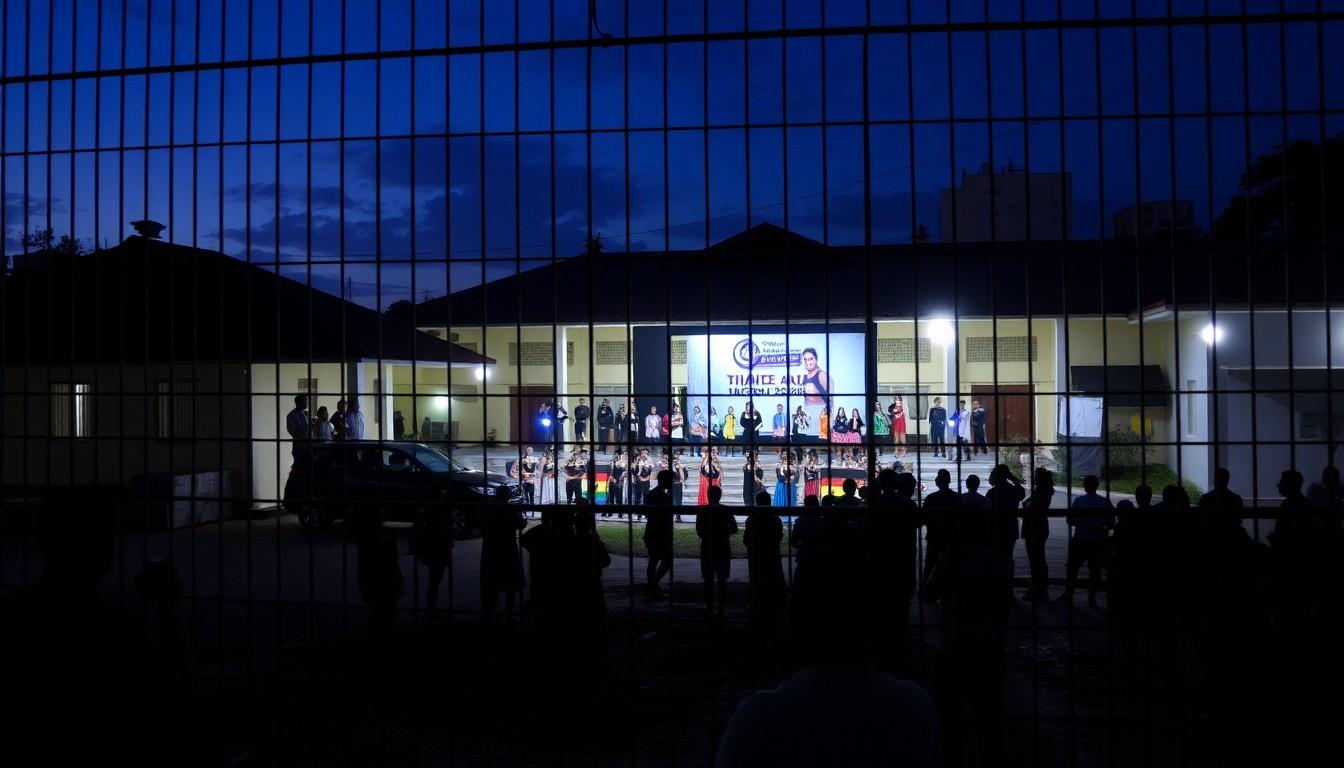
Celebrate the surprising, hopeful moments unfolding inside a Philippine correctional facility: Mandaluyong City Jail’s Pride Month showcase gave LGBTQIA+ persons deprived of liberty a stage to express talent, build confidence and push rehabilitation beyond routine , and it matters for community care and human rights.
Essential Takeaways
- Community-led event: Mandaluyong City Jail Male Dormitory held a Pride showcase on 26 June, organised by Jail Chief Inspector David M. Jambalos, with former inmates and visitors’ association members in attendance.
- Pageant spotlight: The Miss MCJMD 2026 pageant was the highlight, emphasising beauty, talent, advocacy and self-expression.
- Rehabilitation focus: Authorities say such activities support personal growth, social development and confidence-building as part of welfare programmes.
- Institutional message: The Bureau of Jail Management and Penology frames the celebration as part of treating all inmates with dignity regardless of gender or orientation.
- Warm atmosphere: Attendees described a celebratory, supportive mood; the event blended performance, camaraderie and quiet resilience.
A bright, human moment where you least expect it
The image of a pageant in a jail might raise an eyebrow, but the scene at Mandaluyong’s male dormitory felt warm and purposeful, not frivolous. Contestants stepped forward under house lights to sing, dance, and speak about causes that matter to them, and you could sense a quiet, proud energy in the room. For many inside, it’s a rare public moment to be seen as more than a number.
Backstory is simple: prison officials in Mandaluyong have been piloting more inclusive welfare and rehabilitation efforts, and this Pride showcase grew from that shift. According to organisers, it wasn’t just entertainment , it was a deliberate exercise to boost self-esteem, social skills and peer support among LGBTQIA+ persons deprived of liberty. Former residents and members of the jail visitors’ association turned up to cheer, which helped turn the evening into a real community moment.
Why a pageant matters inside a detention setting
A pageant does what it does anywhere: it gives people a chance to rehearse confidence, craft a public message and feel validated. Inside a correctional environment, those gains carry extra weight , they can translate into calmer dorms, better peer relationships and a stronger sense of purpose. Organisers say the event highlighted intelligence and advocacy as much as looks, which matters when rehabilitation is the aim.
Compare that with other initiatives in the city: Mandaluyong has rolled out LGBTQIA+ friendly programmes like right-to-care cards and even prison weddings, signalling a broader municipal push to incorporate dignity into public services. That context helps explain why staff supported the pageant rather than shied away from it.
Practical benefits , what this kind of programme actually does
Activities like this are low-cost but high-return. They create opportunities for speech and performance skills, reduce stigma through visibility, and offer safer spaces for identity expression. If you’re evaluating similar programmes, consider these practical tips: keep staff trained on respect and privacy, involve formerly incarcerated mentors where possible, and link events to ongoing counselling and skills training.
Evidence from local news coverage suggests participation also builds social capital , guests and visitors who show up bring networks and encouragement that can help reintegration after release. That human contact matters as much as any administrative support.
How the wider movement is responding
Nationally, LGBTQIA+ groups and human-rights advocates have pushed for greater protections and visibility for sexual and gender minorities, including in custodial settings. Mandaluyong’s event sits alongside other Pride activities and public programmes, and it’s being watched as a potential model for humane corrections practice. Local coverage highlights the Bureau of Jail Management and Penology’s public commitment to equal treatment, which critics and supporters alike will scrutinise for follow-through.
Still, advocates say one event shouldn’t be the end point , sustained policy, staff training and access to health and legal resources are crucial next steps if inclusion is to become institutionalised.
What it feels like for participants , not just policy
For the inmates who took part, the night offered something simple and vital: the chance to be acknowledged. That affirmation , of talent, identity and voice , matters in quiet, cumulative ways. One contestant’s polished performance or a group’s shared laugh can chip away at isolation and build a more resilient sense of self.
It’s easy to dismiss a prison pageant as symbolic, but these small, human moments often ripple outwards, influencing how people behave, how staff respond and how communities imagine rehabilitation.
It’s a small change that can make every chew safer.
Source Reference Map
Story idea inspired by: [1]
Sources by paragraph: