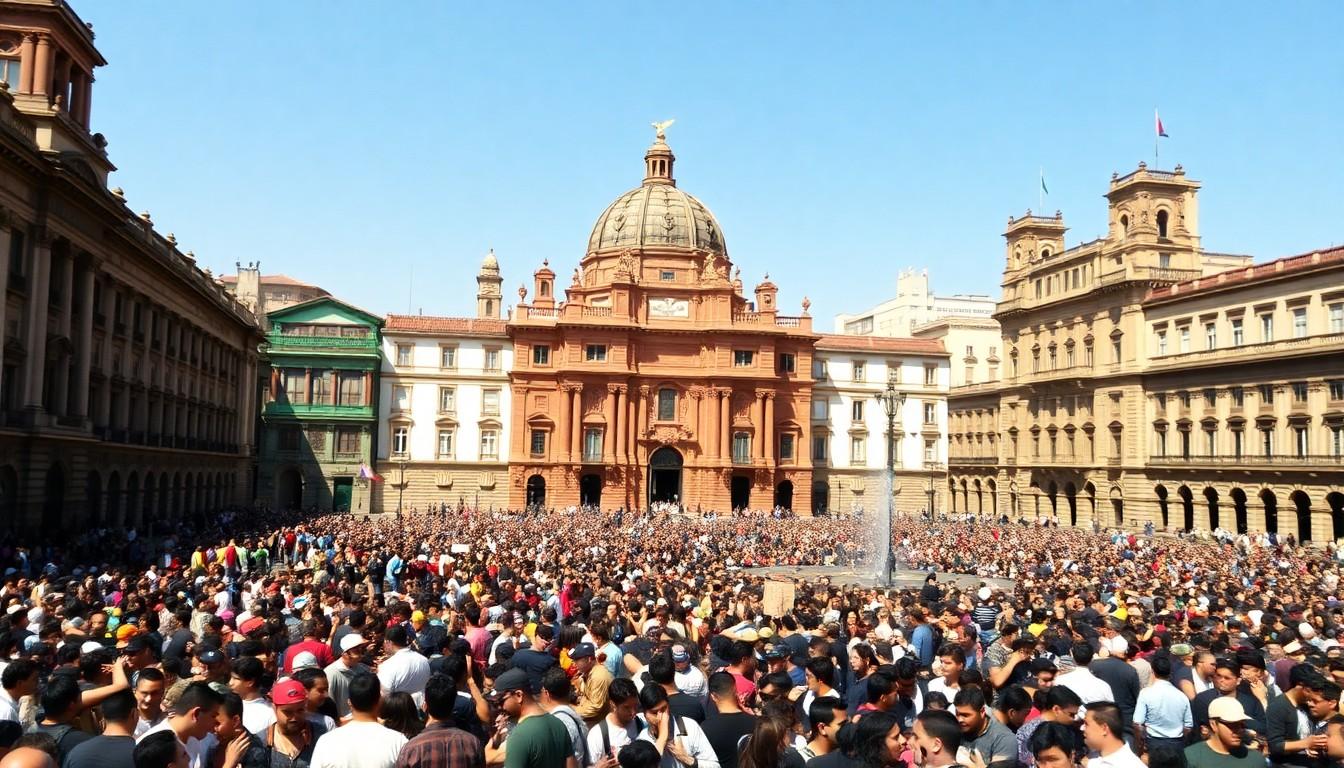
Expect a sea of colour and purpose as Mexico City hosts one of Latin America’s biggest Pride marches this Saturday; hundreds of thousands will gather along Paseo de la Reforma and through the historic centre for celebration, tests, protest and solidarity , find out routes, timings and practical tips.
- When and where: The march starts at 10 a.m., with groups meeting at the Ángel de la Independencia and assembling along Paseo de la Reforma before heading into the Historic Centre.
- Huge turnout: Organisers and press reported attendance surging in recent years , last year’s march drew around 800,000 people, creating a lively, densely packed route.
- Health and safety services: Free rapid health tests, including HIV and hepatitis C screenings, are regularly offered during the event and are likely to be available again.
- Route changes: The Zócalo remains the symbolic finish, but the official stage is on Eje Central Lázaro Cárdenas near the Palacio de Bellas Artes; plan for street closures and diversions.
- Mood and message: Expect a mix of party and protest , this year’s slogan focuses on solidarity, equality and peace amid ongoing concerns about violence against LGBTQI+ people in Mexico.
A colourful start with a serious purpose
Mexico City’s Pride feels loud, bright and human at once , rainbow flags, samba beats and banners rubbing shoulders with policy demands. Newspapers and event guides report organisers expect marchers to gather early at the Ángel de la Independencia and to stream down Paseo de la Reforma from 10 a.m., so the atmosphere will be electric from the off. For locals and visitors alike, it’s a rare chance to see the city centre transformed.
The parade has been growing for years, with recent editions swelling into the hundreds of thousands. That scale gives the event real political weight: it isn’t only a party, it’s a public demonstration pushing for legal and social change across identity, equality and safety.
What’s different this year , stage, screens and the World Cup
Plans shifted slightly this year because the Zócalo is hosting a FIFA Fan Festival for World Cup fans. City authorities eventually allowed marchers to finish at the Zócalo and to join the public viewing, but the traditional closing stage has been moved to Eje Central Lázaro Cárdenas, next to the Palacio de Bellas Artes. That means the usual logistics will look and feel different, with sound and performances centred a few blocks away.
If you’re planning to stay for the finale, think about where you want to watch and how you’ll reconnect with friends afterwards. Streets like Eje Central and surrounding avenues will be congested and public transport options can fill quickly.
Health services and practical on-the-ground tips
In past years the Mexican Social Security Institute and other providers handed out free rapid tests during Pride, offering HIV and hepatitis C screenings , a quietly vital public-health element of the day. If you want a test, arrive early and look for health tents along the route.
Other practical tips: wear comfortable shoes, carry water, and leave non-essential valuables at home. Mobile signal can get patchy with so many phones in the air, so agree on meeting points beforehand. If you need accessible routes, research them before you travel; the city usually publishes maps and organisers try to keep some corridors clear.
Safety and the bigger social picture
This Pride marches against a backdrop that’s important to remember: independent groups tracking violence say Mexico remains one of the most dangerous countries in the region for LGBTQI+ people, with dozens of killings reported annually. That reality adds urgency to the march’s slogan , “In the eyes of the world: my struggle is your struggle” , and to the calls for protection, justice and solidarity.
Organisers blend celebration with demands: expect speeches, banners calling for policy change, and an unambiguous message that visibility must come with safety and rights. For many attendees, Pride is both catharsis and civic action.
How to make the most of the day
If you’re visiting the city, treat Pride as both a cultural highlight and a logistical challenge. Use public transport early, charge your phone, and map escape routes in case crowds surge. Bring a small flag or sign if you want to join a contingent, but check local guidance on permitted items. And if you’re watching rather than marching, scope out a quieter side street where you can enjoy the atmosphere without being in the crush.
For residents, consider volunteering with health or support teams , the event relies on dozens of NGOs and civic groups. And if you’re worried about safety, travel with friends and stick to well-lit, populated streets after dark.
It’s a big, emotional day that mixes colour with consequence , take it in, stay safe, and join in however feels right for you.
Source Reference Map
Story idea inspired by: [1]
Sources by paragraph: