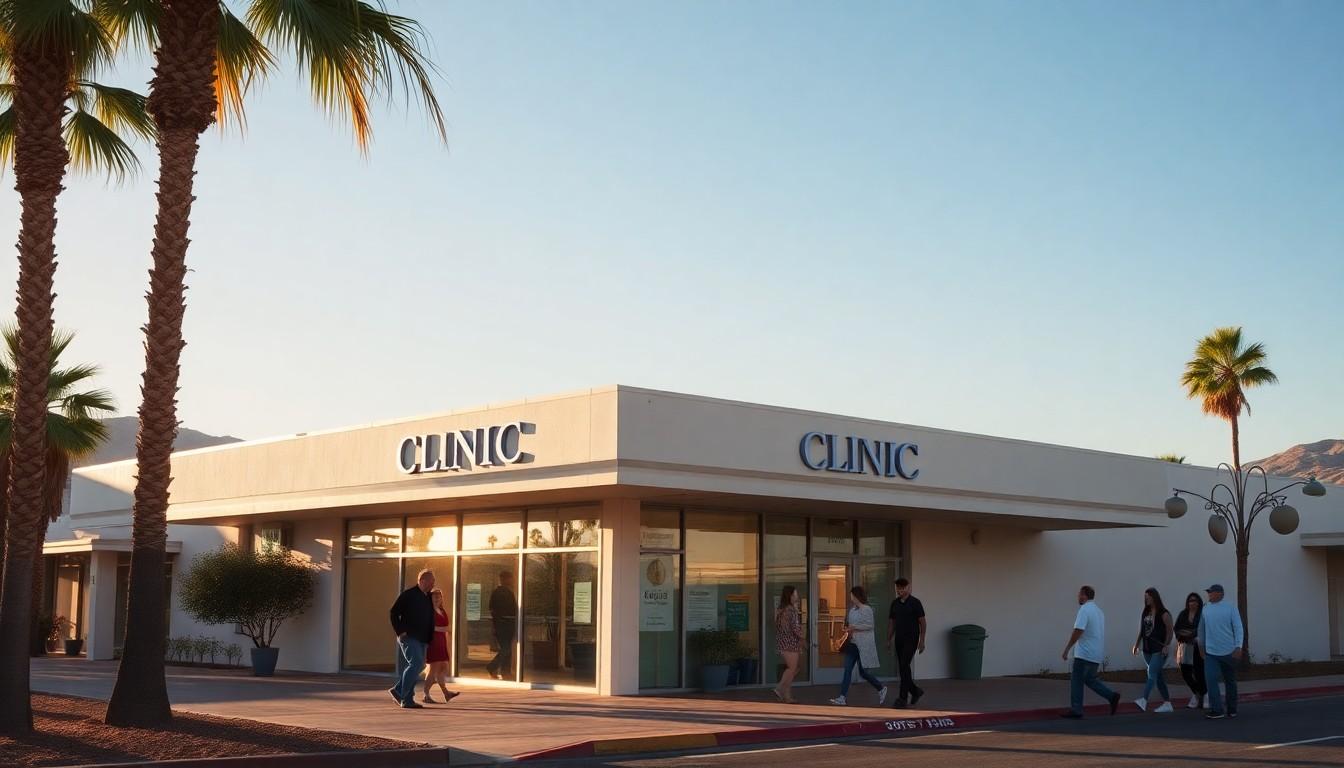
Shoppers and residents are turning to a tiny Palm Springs clinic for no-cost sexual health care , PS Test has marked five years of free STI, HIV and hepatitis screening, treatment and prevention services, offering vital access where it’s needed most in the Coachella Valley.
Essential Takeaways
- Free, full services: PS Test offers no-cost STI testing and treatment, rapid HIV and hepatitis C tests, plus access to PrEP and DoxyPEP.
- High demand: Around 1,500 patients were seen last year, showing growing local need and steady utilisation.
- Financial resilience: The clinic weathered a tough 2024, repaid emergency borrowing in 2025, and now says it’s on firmer financial footing thanks to donors.
- Prevention focus: Clinic leaders urge sexually active people to test every three months, and they provide prevention options to reduce infection risk.
- Easy next steps: Appointments, services and donation options are listed on the clinic website, making access and support straightforward.
A small clinic with a big impact , what PS Test does on the ground
Step inside the story and you’ll find a practical, low-key operation doing quietly lifesaving work. PS Test runs rapid HIV and hepatitis C screening alongside comprehensive STI testing and treatment, and it offers PrEP and DoxyPEP for prevention. That simple mix of services means people can leave with answers, care and a plan , often the same day.
The clinic’s approachable setup matters: folks reporting stress or embarrassment often say the staff felt “calm and straightforward,” which makes follow-up and prevention more likely. According to the clinic’s public materials, they strive to normalise routine testing and remove cost and stigma as barriers.
Why five years is a milestone , community need and growth
Five years in this sector shows both demand and staying power. PS Test treated roughly 1,500 people last year, a useful snapshot of unmet sexual health needs in the region. That number isn’t just a stat; it reflects students, seasonal workers, older adults and couples who otherwise might skip testing because of cost or access.
Community clinics like this trend toward being local hubs for prevention as much as diagnosis. As testing becomes routine, clinics can shift from crisis response to long-term sexual health planning , and that’s where PrEP and DoxyPEP become crucial tools.
Money matters: how PS Test navigated financial strain
Not every small clinic survives a rough year. PS Test hit a financial low in 2024 and had to borrow to stay open, the founder says. By 2025 those debts were cleared thanks to donations and community backing, and leaders report a more stable outlook now.
It’s a reminder that free healthcare models often need diverse funding streams: grants, individual donors, partnerships and local support. For readers thinking about helping, small recurring donations or fundraising drives can make a tangible difference to services that are free at the point of care.
Who should get tested, and how often?
The clinic’s founder recommends testing every three months for anyone who’s sexually active , a simple rule that beats guesswork. For people with multiple partners, those on dating apps, or anyone resuming sexual activity after a break, more frequent checks catch infections early and reduce onward transmission.
Practical tip: book before you need it. Clinics can get busy, so schedule regular checks every three months or set calendar reminders. If you’re on PrEP or DoxyPEP, follow-up is essential for monitoring and continued protection.
Making use of PS Test , appointments, donations and what to expect
PS Test lists services and appointment info on its website, and it welcomes donations if you want to support free care. Expect straightforward intake, fast screening options and a focus on patient dignity. If treatment’s needed, the clinic connects you to care without a long referral chain.
Local residents often point out the clinic’s discreet location and friendly staff as reasons they come back. For anyone nervous about testing, remember: clinics like this are built to be non-judgemental and efficient.
It’s a small change that can make every visit safer and smarter for the whole community.
Source Reference Map
Story idea inspired by: [1]
Sources by paragraph: