Shoppers and residents watched as thousands poured through Dolores Park to Market Street for San Francisco’s Trans March, a jubilant display of trans joy and solidarity , until a late-night clash with police in the Transgender District left five people arrested and raised fresh questions about policing, public safety, and memorial spaces.
- What happened: Five arrests were reported after an incident near Taylor Street following the march; police say vandalism and assault triggered the response.
- Mood before the incident: The march began in Dolores Park with performances, resource stalls, and a mile-long procession that felt celebratory and supportive.
- Historic context: The confrontation unfolded near the site of the 1966 Compton’s Cafeteria Riot, a touchstone of early transgender resistance.
- Community response: Organisers and safety teams say they de-escalated and supported affected people; attendees emphasised joy, belonging, and the need for continued solidarity.
- How it felt: Attendees described a warm, colourful atmosphere that turned tense , many left shaken but proud, determined to keep visibility and safety front of mind.
A high-energy march that started as pure celebration
The evening began with bright flags, music and stages in Dolores Park, and the mood was upbeat and tactile , people hugging, laughing and sharing space. Organisers marshalled dozens of volunteers and more than 35 resource groups, creating a festival-like backdrop before the march stepped off. According to event leaders, what followed was a mile-long procession that embodied this year’s theme of unity and collective struggle. For many it was a sensory relief: colourful outfits, beat-driven trucks and the hum of conversation felt like a rare, public exhale.
The flashpoint near Compton’s Cafeteria , why location mattered
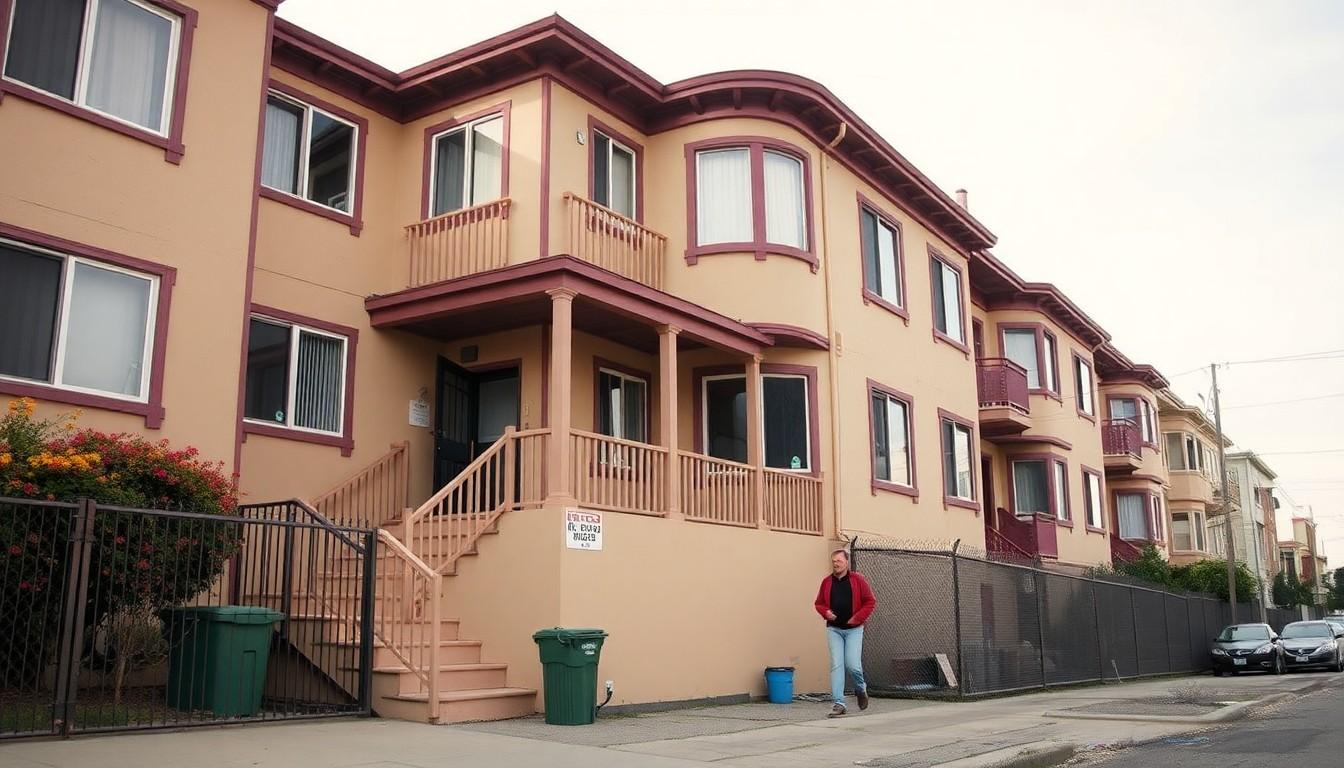
The altercation that followed took place close to 111 Taylor Street, the former Compton’s Cafeteria site where trans patrons fought back against police harassment in 1966. That history gave the moment an extra weight for many attendees. District leaders are also weighing landmark protections for the building’s exterior, which now houses transitional housing, so the clash felt especially charged. People at the scene described yelling and a tight group forming on Taylor Street before officers moved in; it’s a reminder that space, memory and policing often intersect in fraught ways.
Police account and community accounts , where they diverge
The San Francisco Police Department said officers spotted people spray-painting public property on Market, and that an assault involving paint led them to detain suspects; officers reported being surrounded as they tried to make arrests. SFPD confirmed two officers suffered non-life-threatening injuries. Organisers and witnesses, however, criticised what they called an escalatory police approach, saying community safety teams had been working to calm things and that the march itself had been peaceful. Both sides agree five people were arrested, but questions remain about tactics and timing.
How organisers kept people safe , a small victory
Organisers say Trans March’s safety team played a crucial role, helping de-escalate and guide people away from danger while medics and volunteers checked on those affected. Niko Storment, a march producer, framed the day as one of “trans joy and support” despite the late incident, and urged investment in community-led safety measures going forward. That emphasis on mutual aid and volunteer coordination is a practical takeaway: large public events benefit when community teams are resourced, visible and trained for rapid response.
What attendees took away , belonging, politics and the city’s future
For many participants, the march was emotionally powerful, especially for people who’re newly connecting with trans community or returning after years away. People spoke about feeling “at home” among strangers, celebrating identities and sending clear political messages with signs and chants. Others noted the event’s timing during multiple simultaneous Pride activities , the Trans Ally March, Dyke March and the main Pride Celebration , and the sense that visibility still matters, even in places where queer culture is deeply rooted.
It's a small change that can make every public gathering safer and more sustaining.
Source Reference Map
Story idea inspired by: [1]
Sources by paragraph: