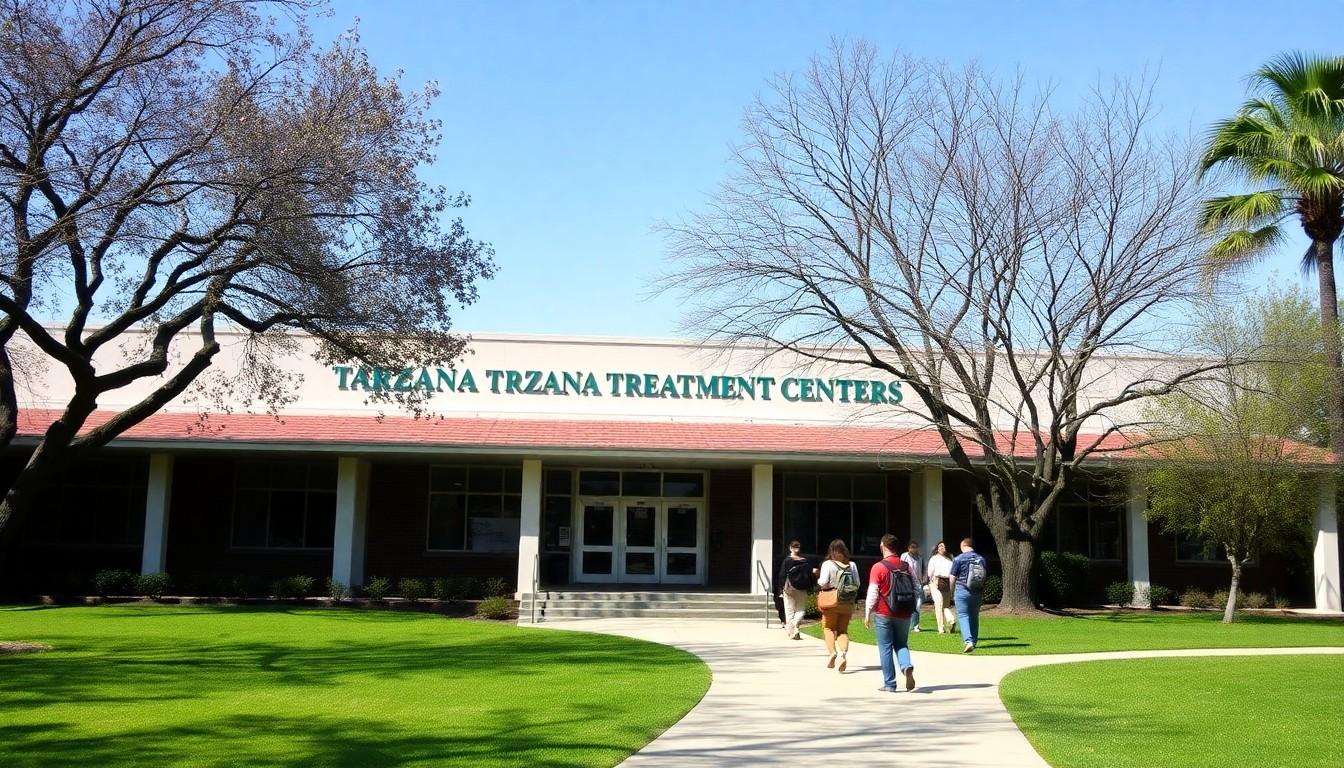
Celebrate with us: Tarzana Treatment Centers was honoured at California State University, Northridge’s Rainbow Graduation Celebration for its hands-on work delivering HIV education, testing and culturally responsive outreach , a reminder that community partnerships make campuses safer, healthier and more affirming.
Essential Takeaways
- Award recognised: Tarzana Treatment Centers received the Sylvia Rivera STAR Award for sustained LGBTQIA2S+ support and campus collaboration.
- Practical services: TTC provides HIV education, testing, prevention resources and care navigation at CSUN events and classrooms.
- Visible impact: The Rainbow Graduation spotlights perseverance, identity and the right to be seen , TTC’s outreach reduces stigma and improves access.
- Community-first approach: TTC’s work centres culturally responsive, integrated care that meets students where they are.
A bright moment at CSUN , why the Rainbow Graduation matters
The Rainbow Graduation is one of those campus ceremonies that feels both celebratory and quietly fierce, a public nod to students who’ve navigated identity and academia at the same time. According to CSUN’s events listings and coverage, the celebration is hosted by the Pride Center in partnership with the Queer Studies Department and intentionally spotlights graduating LGBTQIA+ students. It’s the sort of event where diplomas are only half the story; being fully seen is the rest. For partners like Tarzana Treatment Centers, showing up here signals commitment, not charity.
What the Sylvia Rivera STAR Award recognises , and why it counts
The Sylvia Rivera STAR Award singles out organisations that go beyond token gestures, recognising sustained contribution to inclusion, advocacy and access. The Pride Center used the award to acknowledge TTC’s ongoing programming , from World AIDS Day events to classroom presentations , that brings prevention and education directly to campus. That kind of acknowledgement matters because it reassures students that the services they need are trusted and tailored.
On-the-ground services: what TTC actually does at CSUN
Tarzana Treatment Centers isn’t just a name on a partner list; their outreach includes HIV testing, prevention resources, and culturally responsive education designed for students, staff and faculty. Campus reporting and TTC’s own overview describe activities like pop-up testing, health education sessions and care navigation, which help demystify services and reduce the awkwardness that often keeps people from seeking help. Practically, that means more students getting timely information, safer behaviours and clearer routes into care.
Why campus partnerships change outcomes
When health providers embed services in campus life, practical barriers fall away , the commute, the paperwork, the stigma of going to an unfamiliar clinic. Coverage of CSUN’s Rainbow Graduation and student media pieces note that partnerships with community organisations make resources feel part of the student ecosystem. TTC’s approach shows how prevention and education are most effective when they meet people in familiar spaces and with culturally informed messaging. For students juggling studies and identity work, that convenience and trust can be transformative.
How students and institutions can build on this model
If you’re involved in student services or community outreach, the lesson is simple: collaborate early and listen. Host joint events tied to academic calendars, bring prevention into classrooms, and make navigation support a standard offer. CSUN’s Pride Center and Tarzana Treatment Centers highlight how those small choices , a testing table at graduation, a classroom presentation , add up to greater access and less stigma. It’s a blueprint other campuses can adapt without reinventing the wheel.
It's a small change that can make every student feel safer and better supported.
Source Reference Map
Story idea inspired by: [1]
Sources by paragraph: