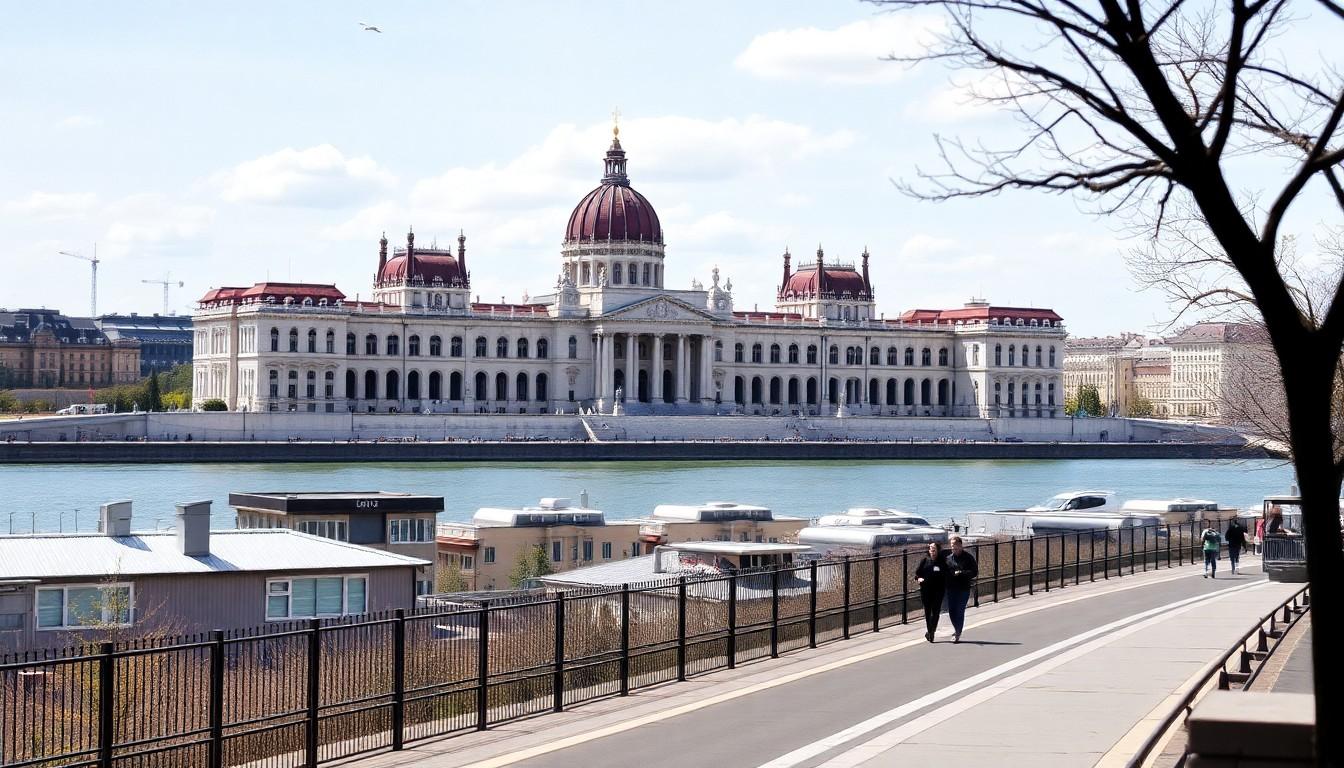
Watchers and marchers alike are returning to Budapest with hope and wary optimism as Pride returns after a turbulent political year; organisers say the event matters because visibility, safety and legal change remain fragile, even as the new government signals a different tone.
Essential Takeaways
- Big turnout expected: Last year’s march drew more than 200,000 people and turned into a major public show of defiance.
- New leadership, cautious signals: Hungary’s new prime minister has spoken in supportive tones, but laws restricting LGBTQ+ life remain in place.
- Everyday fears persist: Organisers report many people still feel unable to be open about relationships or family life.
- Legal roadblocks: Key restrictions on education, media, adoption and gender recognition are yet to be repealed.
- Why it matters: Pride is now both celebration and barometer of whether symbolic gestures turn into concrete rights.
A march that still smells of defiance and relief
Last year’s Budapest Pride moved tens of thousands into the streets, leaving a vivid impression of colour and courage that many locals still talk about. According to reporting this week, the 2025 march acted as a mass expression against the previous government’s clampdown and visible threats such as fines and facial-recognition monitoring. For many, the event felt less like a parade and more like a collective refusal to be silenced. If you were there, organisers say, you remember the mix of joy and wary adrenaline; if you weren’t, the images told the story.
New government, different words , but laws linger
Hungary’s new leadership has publicly shifted tone, with the incoming prime minister calling for a country where people aren’t stigmatised for who they love. Yet those words haven’t translated into immediate legal reversals. The legislation that hampered Pride and restricted LGBTQ+ expression in schools and media is still on the books, leaving campaigners insisting that gestures aren’t enough. The practical upshot is that public goodwill counts, but won’t alone restore rights or everyday security.
Why organisers say hope must meet caution
Petra Buzás and the Budapest Pride team frame this year’s march as about hope, caution and perseverance. They point to small, encouraging signs , less hostile government messaging, for instance , but stress trust must be earned through concrete action. For attendees and allies, that means watching for changes to the law, institutional protections, and steps that make it safer to live openly. Organisers worry that if change remains symbolic, fear and stigma will continue to shape people’s lives.
The daily reality: fear, stigma and the work ahead
Beyond banners and speeches, many LGBTQ+ Hungarians still report being afraid to talk about their relationships or family life openly. Restrictions on trans and intersex recognition, limits on adoption by same-sex couples, and censorship of LGBTQ+ content in schools and media continue to affect ordinary routines. That’s why civil-society groups are urging the new government to repeal specific laws rather than rely on humane rhetoric. For families and young people, legal clarity would be the clearest signal that public sympathy has real teeth.
Pride as a political and cultural barometer
Budapest Pride has long been more than a party; since its 1997 debut it’s served as a symbol for central and eastern Europe. In recent years, campaigners say far-right actors across Europe have tried to weaponise LGBTQ+ issues to sow division, and Hungary became a high-profile example. So the stakes remain regional: how Hungary handles Pride and its laws will be watched across the EU as a test of whether change is substantive or merely rhetorical. That makes this year’s march both a local celebration and a statement on democracy itself.
It's a small change that can make every march count: watch the laws, support local groups, and let visibility push policy.
Source Reference Map
Story idea inspired by: [1]
Sources by paragraph: