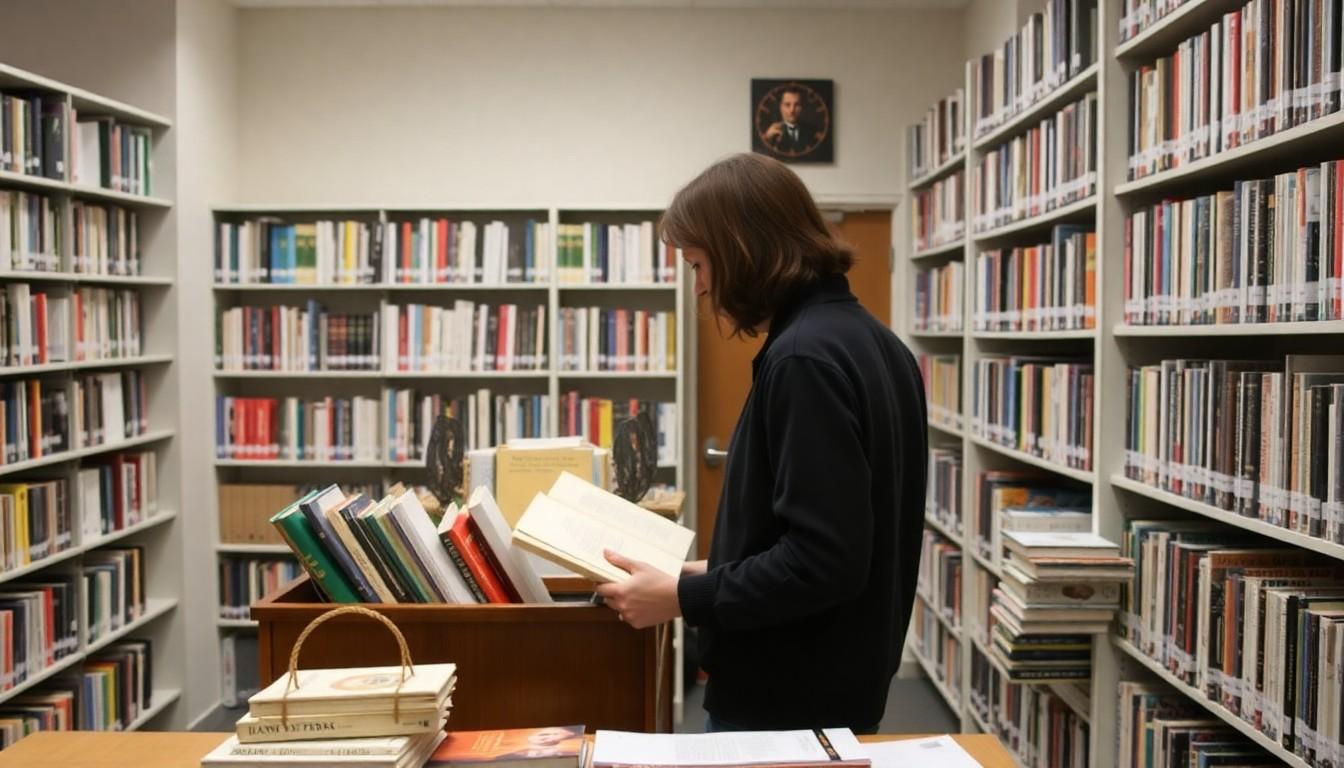
Shoppers are stopping by Aesop stores to pick up free queer books and celebrate storytelling that matters; the beauty brand has turned select shops into small, thoughtful libraries in partnership with the ACLU Foundation, handing out complimentary titles by LGBTQIA2S+ authors until Sunday 28 June.
Essential Takeaways
- Free books nationwide: Aesop is gifting complimentary titles from its Queer Library selection at participating stores while stocks last.
- ACLU partnership: The initiative runs in collaboration with the American Civil Liberties Union Foundation to boost access to queer literature.
- Curated, diverse list: The booklist spans fiction, memoir and poetry from LGBTQIA2S+ authors, with a downloadable PDF for full details.
- Global reach: The program has distributed over 115,000 books worldwide across previous editions, creating community moments in stores.
- Also digital: If you can’t visit a store, Aesop offers a free audiobook redemption option online.
Why Aesop is turning its stores into tiny queer libraries
Aesop’s Queer Library feels like a small, gentle takeover of the perfumery, shelves that usually hold skin-care bottles now host books with colourful spines and urgent stories. The sensory shift is pleasingly tactile; you can browse in a quiet corner, pick up a title that smells faintly of paper and possibility, and walk away with it for free.
The project began as an extension of Aesop’s longer-running literary interests and returns for its sixth year with a sharper focus on visibility and community. According to Aesop’s materials, the idea is to celebrate writing that challenges norms and fosters empathy, and partnering with the ACLU Foundation brings a civic dimension to the giveaway.
What’s on the shelf: the kinds of books you’ll find
Expect a mix: novels and short-story collections that explore identity, lyrical memoirs, and poetry that’s compact but full of heat. The main-branch booklist PDF shows authors across generations and geographies, so whether you want something tender, political, funny or elegiac, there’s likely a match.
That curation matters because it introduces readers to voices they might not otherwise encounter. If you’re building a queer bookshelf at home, this is an easy way to expand it without spending money, just be ready for some titles to go fast at busier stores.
How the ACLU partnership changes the giveaway
Partnering with the American Civil Liberties Union Foundation gives the programme an advocacy edge; it’s not only about distribution but also about supporting free expression and access to information. The collaboration amplifies conversations about the importance of queer narratives in public life, and it helps frame the giveaway as a civic gesture rather than a pure marketing stunt.
For customers, that means receiving a book feels like participating in a broader cultural moment. If you care about books as tools for change, this is an easy, tangible way to show up.
Practical tips: where to go, what to bring, and how to choose
Stop by an Aesop store before Sunday 28 June to grab a complimentary copy, stores vary, so check local opening times and availability. If you can’t make it in person, Aesop’s site lets you redeem a free audiobook, which is handy for commuters or people who prefer listening.
When choosing, consider length and tone: pick a short collection if you want something you can finish in an afternoon, or a memoir if you’re in for a deeper, longer read. And remember that these giveaways pop up quickly, arrive early to avoid disappointment.
Why this still matters in 2026
Book giveaways aren’t novel, but when a global brand creates a ritualised space for queer literature, it helps normalise visibility in everyday places. The project’s cumulative reach, over 115,000 books given away in prior editions, shows that small, repeated gestures can add up to real cultural weight.
Look ahead and you’ll see the logic: fostering empathy through story, seeding conversations in shop corners, and supporting civil liberties creates ripples beyond the store. For readers, that’s reason enough to browse the shelves this weekend.
It's a small, thoughtful gesture that helps books find readers, and readers find each other.
Source Reference Map
Story idea inspired by: [1]
Sources by paragraph: