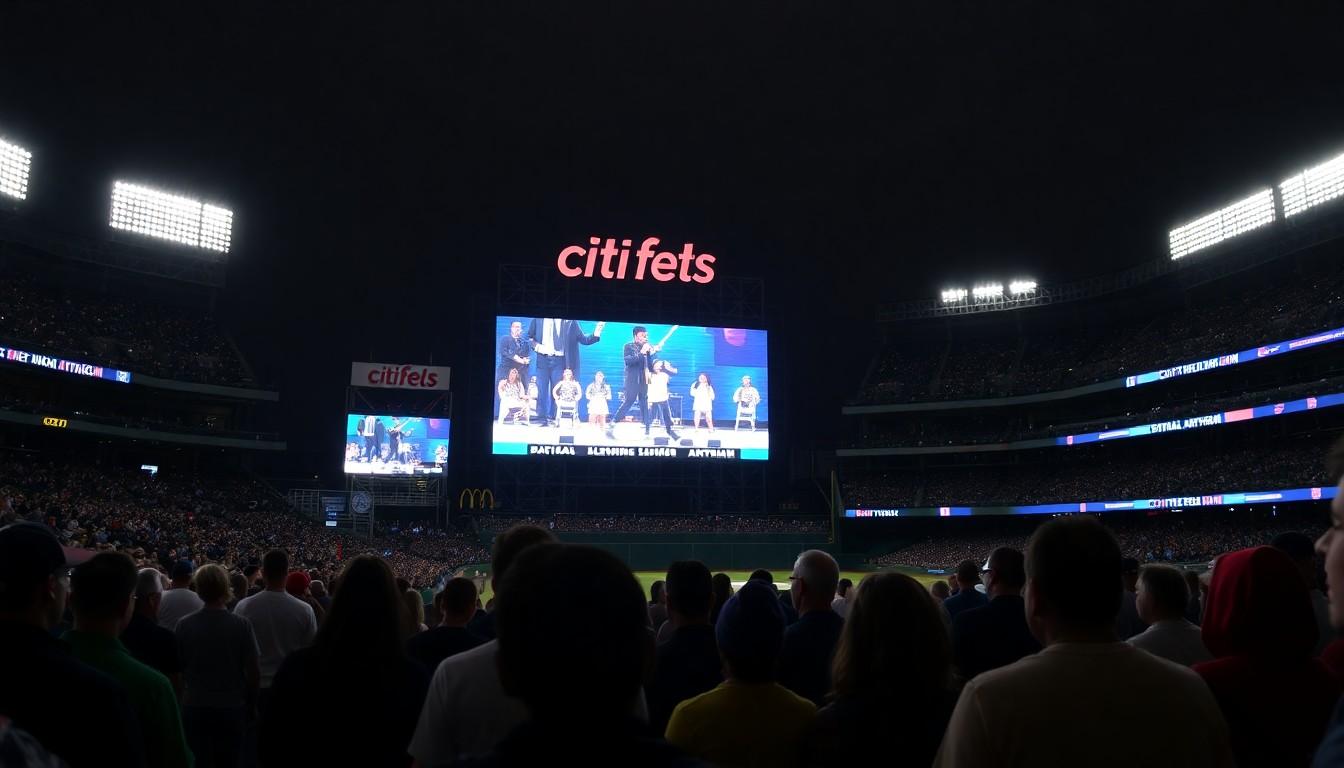
Watching Adam Lambert belt the U.S. national anthem at Citi Field felt like a proper New York moment , the QUEEN frontman sang before the Mets vs. Phillies game on Pride Night, blending big-voiced showmanship with a clear message about inclusion and community that matters beyond the stadium.
Essential Takeaways
- Live moment: Adam Lambert performed the U.S. national anthem at Citi Field for the New York Mets vs. Philadelphia Phillies on Pride Night, June 26, 2026, with professionally filmed footage circulating online.
- Pride context: Lambert used recent interviews to call for Pride to be more inclusive, especially toward trans community members, and reflected on how visibility has changed since he started.
- Artistic push: He’s preparing his sixth studio album, Adam, and recently released the single "Eat U Alive" with a new music video.
- Theatre and crossover: Lambert’s Broadway acclaim , notably his 2024 Cabaret run and a praised 2025 Hollywood Bowl run in Jesus Christ Superstar , continues to shape his solo work.
- Activism thread: Beyond music, Lambert runs the Feel Something Foundation and supports Global Citizen, linking performance to public advocacy.
A big-voiced salute , and it sounded like pride
Adam Lambert turned a routine pre-game anthem into a show-stopping moment, his voice filling Citi Field with a sheen of theatricality and heart. The filmed clip does what live performances do best: it gives you goosebumps and reminds you why he’s one of pop’s most distinctive vocalists. According to local coverage, the appearance was part of the Mets’ annual Pride Night celebration and lands amid Pride Month conversations that Lambert has been actively joining. Fans reacted online, of course, but the essential point was simple , it felt both celebratory and earnest.
Why the stadium stage matters for Pride messaging
Singing the anthem at a major-league park is more than a quick spotlight; it’s a platform that reaches casual fans and faithful followers alike. Lambert has been speaking publicly about Pride in 2026, telling interviewers he hopes the movement leans into community and inclusivity , especially for trans people facing harsh treatment. That kind of message arriving amid a crowd of baseball fans is a reminder that activism doesn’t only happen on stages marked “concert”; it happens where people gather. It’s a practical move for visibility, and it lands in plain sight.
New music, theatre chops and a widened spotlight
This anthem appearance comes as Lambert ramps up promotion for his self-titled sixth album, Adam, and the single "Eat U Alive", which arrived with a stylised video. He’s no stranger to dramatic performance: critics lauded his Broadway turn in Cabaret and his 2025 Hollywood Bowl run in Jesus Christ Superstar. Those credits aren’t just resume points , they shape how he sings, presents himself and connects messages about identity and art. If you’ve enjoyed his stadium work with QUEEN, you’ll spot the crossover: theatrical phrasing, a keen sense of dynamics and the ability to make an anthem sound like a narrative.
What Lambert says about Pride now , and why it matters
In recent interviews, Lambert has noted how representation has transformed since he first entered the mainstream , the scene now has many more faces, and that’s largely a win. But he also flagged a downside: as LGBTQ+ culture mainstreams, some of the tight-knit community feeling has loosened. He’s called for Pride to emphasise togetherness and to be unequivocally inclusive of trans people. Those comments track with broader conversations about the future of Pride, and they come from someone who’s been visible both as an artist and an activist. It’s a nudge for organisers, fans and fellow artists to keep the umbrella wide.
Practical takeaways for fans and organisers
If you’re attending Pride events or planning stadium activations, Lambert’s Citi Field appearance offers a simple blueprint: pair high-profile performance with clear, inclusive messaging. For fans, it’s worth keeping an ear out , his new album and theatre work suggest he’ll keep using big stages to amplify causes. And if you’re picking which events to support, look for line-ups and partners that foreground inclusion, not just visibility. It’s an effective way to make attendance meaningful.
It's a small change that can make every spotlight count.
Source Reference Map
Story idea inspired by: [1]
Sources by paragraph: