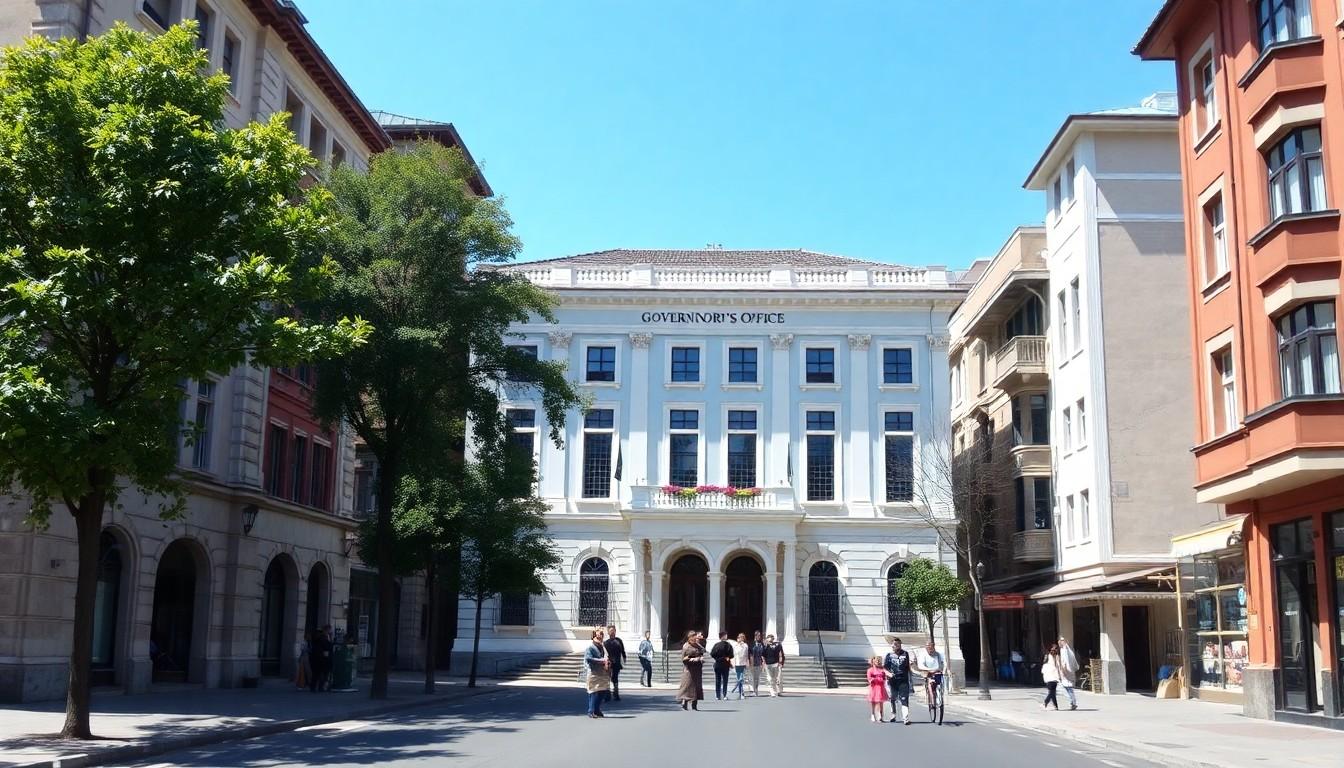
Shoppers and residents have noticed an unusually quiet weekend coming: İzmir Valiliği has banned all public events linked to the planned "İzmir 14. Onur Yürüyüşü" on 27–28 June, citing public order, safety and morals , a move that has already prompted reactions from local bar associations and civic groups.
Essential Takeaways
- Official ban: İzmir Governor's Office prohibited meetings, marches, press statements, festivals and similar open‑air events across the province for 27–28 June.
- Reason given: Authorities cited risks to public order, general security, public health and morals, and potential provocations by opposing groups.
- Legal basis: The ban was ordered under Article 11 of the Provincial Administration Law (5442) and Article 17 of the Law on Meetings and Demonstrations (2911).
- Local reactions: The decision prompted pushback from İzmir Bar Association and other civic voices, who indicate they may challenge it in court.
- Practical effect: The ban covers assemblies, sit‑ins, stalls, leafleting, banners, picnics, festivals and similar activities in all open public spaces within İzmir province.
What the governor's office actually said , and how it landed
The written announcement from the İzmir Valiliği makes clear officials judged the planned Pride events could trigger “provocations” and public unrest, and so moved to stop them pre‑emptively. The language points to concerns about “general morals” and threats to “public safety”, which feels purposefully broad and leaves room for wide interpretation. Local people will notice fewer posters and no stalls where they expected them this weekend, and the city is likely to feel quieter than organisers had planned.
The legal tools behind the ban , standard procedure or exceptional step?
Authorities relied on two familiar legal provisions: the provincial administration law and the gatherings law, which give governors power to restrict public events for public order and safety reasons. That's a routine legal route, but critics argue the decision should be proportionate and specific. According to local reporting, the ban’s two‑day blanket nature , covering everything from marches to picnics , has raised questions about whether less intrusive measures, like designated routes or enhanced policing, might have protected both safety and freedom of assembly.
How local organisations have reacted , challenge and counsel
Izmir’s bar association and several civic groups publicly criticised the ruling and are reported to be seeking legal routes to contest it. For lawyers and rights groups, the key argument is often proportionality: can authorities show a concrete, imminent threat that justifies a province‑wide prohibition? Expect a legal push and public statements in coming days, and possibly court filings that aim to test the scope of governors’ powers in cases involving minority assemblies.
What this means for organisers, participants and residents
If you planned to attend or organise events over the weekend, the ban means you must refrain from public gatherings in open spaces across the province during the specified hours. For residents, the immediate effect is fewer visible events and, for some, relief if they feared clashes. For others, it feels like a shrinking of public space for expression. Practical tip: anyone considering alternative indoor events should check permits carefully and seek legal advice, because the ban was framed to cover open‑air activities specifically.
The broader context , trends and tensions around Pride events in Turkey
This decision fits into a pattern seen in several Turkish cities where authorities cite security or moral concerns to restrict Pride activities. It's part of a wider tension between state authorities, conservative segments of society and LGBTQI+ groups seeking public visibility. The coming week will show whether legal challenges change the picture, or whether similar bans become the default approach in the months ahead.
It's a small change for the calendar but a big one for public visibility and civic debate.
Source Reference Map
Story idea inspired by: [1]
Sources by paragraph: