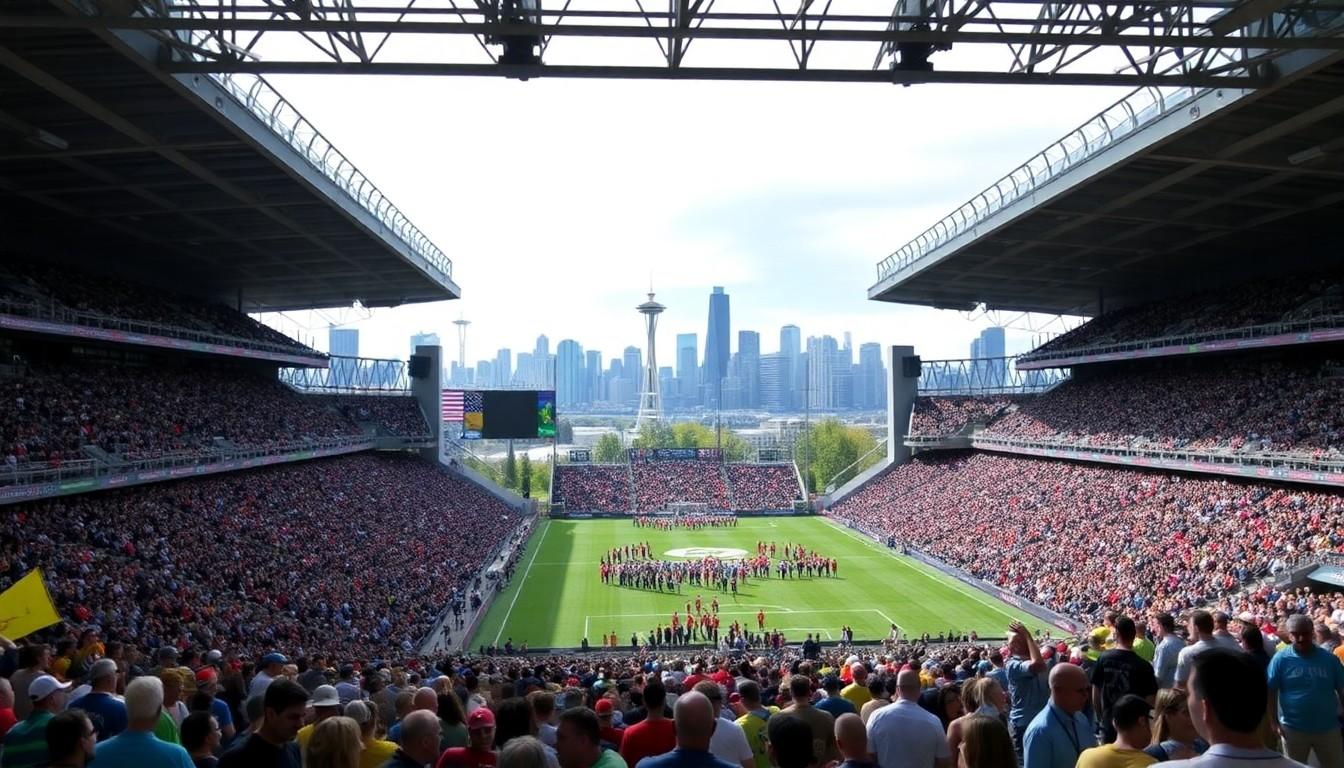
Shoppers are turning attention to Seattle as FIFA presses ahead with its first Pride Match at the World Cup, pitting Iran and Egypt in a fixture that matters far beyond sport. The game , and accompanying rainbow-themed events , have thrust questions about inclusion, diplomacy and safety into the spotlight.
Essential Takeaways
- Pride Match confirmed: FIFA will host a Pride Match in Seattle, with fans allowed to bring Pride and other LGBTQ+ flags into the stadium, creating a visibly inclusive atmosphere.
- Official objections: Iran and Egypt raised objections to the Pride celebration and asked for restrictions on flags, but neither nation withdrew from the fixture.
- Local organisers defended it: Seattle hosts say the events are about inclusion and visibility, not political coercion, and insist they were not forced by FIFA to change plans.
- Safety and diplomacy concerns: Travel rules and security for visiting fans from countries with anti-LGBTQ laws remain a live practical issue.
- Human stakes: LGBTQ+ people inside and outside repressive states are watching closely , this is about symbols as much as the match itself.
Pride on the pitch , what’s happening in Seattle and why it looks different
Seattle is staging a specially branded Pride Match during the World Cup, complete with rainbow-themed fan activities and the chance for supporters to bring Pride flags into the stadium. That sensory image , rows of colourful flags and themed events , is deliberate, a visible statement of inclusion that hosts say will make visitors feel welcome. According to the Seattle organising committee, these celebrations grew from local desire to centre LGBTQ+ visibility at a major public event. For fans and residents it’s about atmosphere and safety; for visiting teams it’s raised awkward questions about how national delegations respond.
Diplomatic friction: Iran and Egypt object but stay in the game
Both Iran and Egypt formally objected to the Pride Match and reportedly requested restrictions on flags, but neither pulled out of the fixture. Reports say those governments were uncomfortable because homosexuality is criminalised at home, and that produced a clash between national policy and the host city’s choices. FIFA and Seattle declined those requests, and the match will proceed as planned, a choice that highlights the tension between international sport governing bodies and states with sharply different laws on sexual orientation.
Who gets to bring flags , and why that matters
FIFA has said fans will be allowed to bring Pride flags and banners advocating sexual orientation and gender identity. That decision turned on free expression and stadium policy, and it’s been framed by supporters as a protection for attendees who want to show solidarity. Critics from the visiting teams argued flags could create an untenable situation for their delegations, but proponents pointed out that forbidding flags would amount to erasing LGBTQ+ people from the public conversation. The immediate practical takeaway: if you’re planning to attend, expect a visibly pro-Pride crowd and check local guidance for permitted items.
Safety, travel advice and longer-term consequences
There are practical safety questions for players and fans from countries where same-sex relationships are illegal. Authorities and travel experts have flagged that some visitors may face legal or social risk at home if perceived as publicly supporting LGBTQ+ causes. Washington state and local organisers have emphasised safety and inclusion at the venue, but fans should plan accordingly, seek reliable travel guidance, and be mindful of their own legal situation back home. The episode also raises a larger point: major sporting events increasingly force municipalities and governing bodies to balance local values with international sensitivities.
What this says about sport, politics and visibility going forward
Seattle’s Pride Match is more than a one-off spectacle , it’s a test case for how FIFA and host cities manage social values during global tournaments. Some see it as overdue recognition that sporting stadia are public spaces where diversity can be celebrated; others warn it may strain relations with nations whose laws conflict with the message. Either way, activists in diaspora and inside restrictive countries have taken heart from the decision: symbols matter, and this match will be read as an act of solidarity by many who lack safe spaces at home.
It’s a small change that can make every match feel more inclusive , and more complicated.
Source Reference Map
Story idea inspired by: [1]
Sources by paragraph: