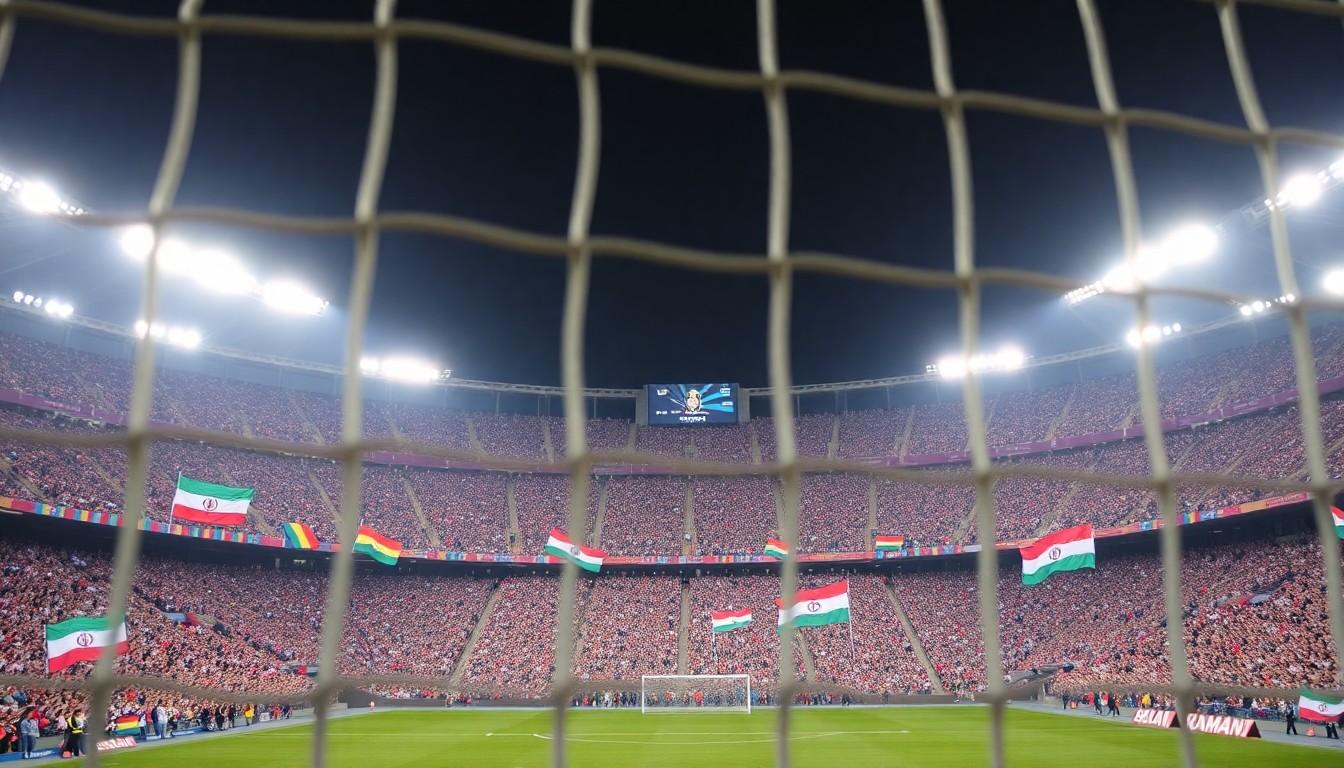
Shoppers of stories and football fans alike have noticed a fresh flashpoint , FIFA has confirmed rainbow flags will be allowed at the Iran vs Egypt Group G game in Seattle, turning a routine World Cup fixture into a Pride Match debate that matters for players, fans and human-rights observers.
Essential takeaways
- FIFA decision: Rainbow flags will be permitted inside Lumen Field for the Iran–Egypt match, despite formal objections.
- Federations objected: Both the Iranian and Egyptian football bodies asked FIFA to ban LGBTQ+ symbols, citing religious and cultural reasons.
- Human‑rights lens: The row has refocused attention on legal and social risks faced by LGBTQ+ people in Iran and Egypt.
- Atmosphere notes: Expect a charged, colourful crowd , visibly inclusive supporters alongside vocal dissent, making the match as political as it is sporting.
What happened, in plain terms
FIFA confirmed that fans can bring rainbow flags to the Group G match in Seattle, which coincides with local Pride Week and has been billed as the city’s official Pride Match. The decision creates a direct clash with the Egyptian and Iranian federations, both of which formally protested, asking FIFA to bar what they describe as pro‑LGBTQ+ activity inside the stadium. The scene is likely to feel vivid and tense; you're not just watching football, you're watching values be displayed in colour.
Why Iran and Egypt objected
Both federations put their objections on paper. The Egyptian Football Association sent a letter to FIFA rejecting any activities "supporting homosexuality" inside the ground, while Iran’s federation described LGBTQ+ rights as a "movement" it does not want promoted at the match. Their objections reflect domestic laws and social attitudes , and show how international sport can bump up against national belief systems. For match-goers, that means chants, signs and the atmosphere may carry deeper meanings than usual.
The wider human‑rights context
This row isn't abstract. Human-rights groups note Iran criminalises same‑sex relationships under extreme penalties, and in Egypt authorities use broadly framed laws to target LGBTQ+ people. Allowing rainbow flags is therefore not only symbolic , it’s a spotlight on where fan expression meets safety concerns. Observers and campaigners say FIFA’s choice signals a commitment to inclusion, but it also raises questions about the real-world consequences for people from those countries who might be identified or targeted because of visible support.
How cities, fans and FIFA handle Pride during big sport events
Seattle designated the match to fall during Pride Week, which is common practice: host cities often highlight local calendar events. FIFA has in recent years tried to balance its global remit with local contexts, so allowing flags is consistent with an inclusivity line it’s taken elsewhere. Fans should expect stronger stewarding and clearer guidance on acceptable conduct; if you’re going, wear what feels safe and be prepared for a mix of celebration and protest. For teams, the fixture becomes as much about managing pressure off the pitch as on it.
What this means for future tournaments
The incident underlines a growing trend: major sporting bodies will increasingly face political and cultural flashpoints as global events intersect with local rights movements. FIFA’s stance could set a precedent , other host cities and federations will watch closely. For viewers at home, that means matches might be framed by social debates more often, and governing bodies will need clear policies to protect fans while respecting safety and free expression.
It's a small change that will make every match feel larger than the ninety minutes on the clock.
Source Reference Map
Story idea inspired by: [1]
Sources by paragraph: