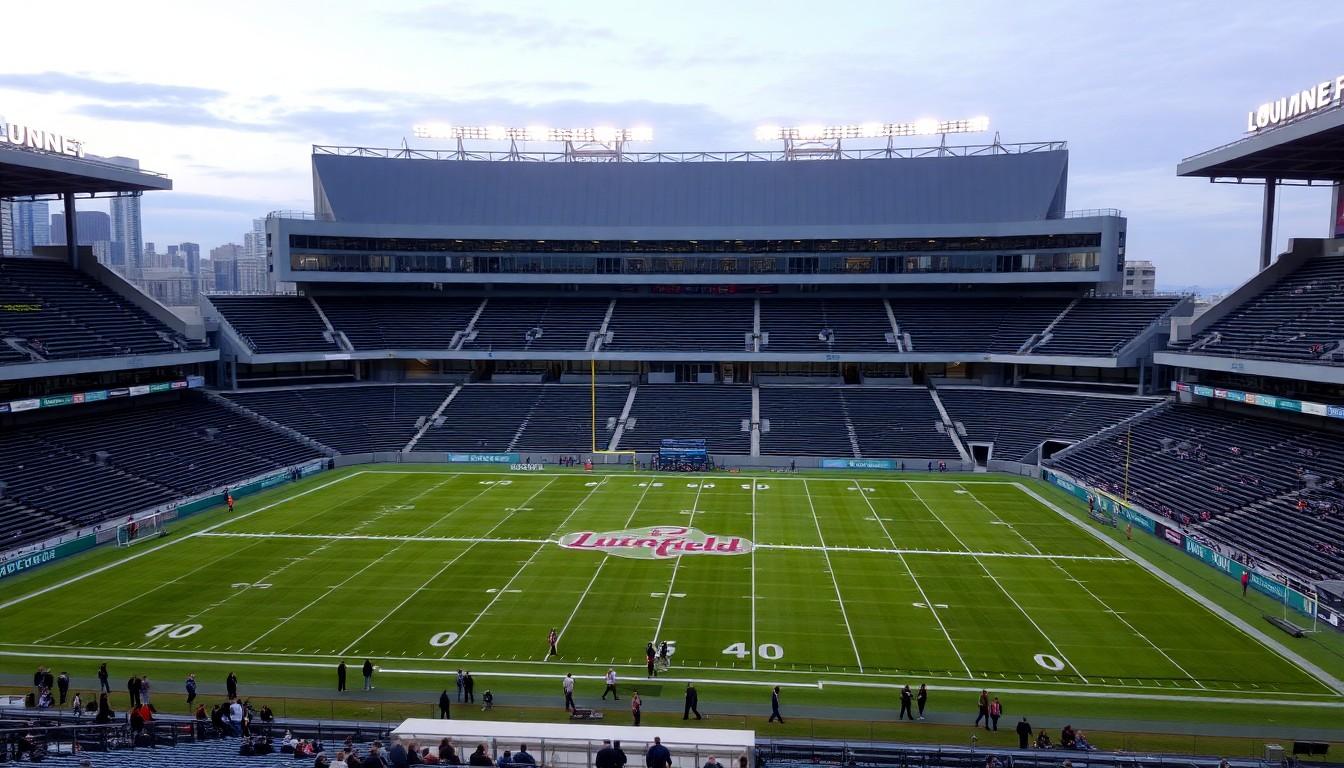
Shoppers are tuning into a surprising World Cup moment as Seattle hosts the match being billed locally as a “Pride Match” , Egypt vs Iran on 26 June , where rainbow flags will be allowed despite protests and serious human-rights concerns in both countries. It matters because sport can spotlight rights and provoke debate.
Essential Takeaways
- Rainbow flags allowed: Local organisers confirmed flags will fly in the stadium, a symbolic choice that’s already drawn international attention.
- Not an official FIFA event: FIFA has distanced itself from the label “Pride Match” while acknowledging local promoters using the name.
- Spotlight on rights: Both Egypt and Iran have poor records on LGBTQ+ rights, making the fixture politically charged and emotionally raw.
- Local Pride timing: Seattle’s designation links the game to Pride weekend, aiming for visibility and solidarity during a major city event.
- Atmosphere to expect: Fans should expect passionate reactions, protests, and tight security , it’s likely to feel intense and symbolic.
Why Seattle’s match feels bigger than football
Seattle’s decision to permit rainbow flags turns a group-stage fixture into a moment that feels ceremonial as much as sporting. The colours fluttering over a packed stadium will carry noise, chants and cameras , it’s a sensory, emotional image that reporters and social feeds will replay. According to reporting in The Guardian, FIFA has clarified it’s not staging a Pride Match, but the local label and permission to display flags make the match feel like a deliberate act of solidarity.
This choice didn’t happen in a vacuum. The match coincides with Seattle Pride weekend, and organisers wanted a visible way to connect the World Cup to local celebrations and activism. Expect organisers and city officials to stress that the aim is inclusivity, while opponents argue the move politicises sport.
What the teams’ home countries’ laws mean for fans and players
There’s a sharp contrast between Seattle’s open display and the legal realities in Egypt and Iran. In Egypt, laws on “morality” and public decency are frequently used to target queer people, and protections are absent across healthcare, housing and employment, as coverage from a range of outlets makes clear. In Iran the legal landscape is even harsher: same-sex sexual activity is criminalised and can carry extreme penalties in the penal code.
That reality is why the match matters beyond the ninety minutes. For diaspora communities and activists it’s both a moment of pride and a reminder of risks at home. Journalists will be careful to cite human-rights groups and first-person stories when reporting, because the symbolism needs context to avoid tokenism.
How FIFA, local organisers and protests are handling the heat
FIFA president Gianni Infantino said earlier this year there would be no official “Pride Match”, and the governing body has taken a cautious stance. Yet FIFA has allowed host cities some latitude for stadium policies, which is why Seattle could permit flags despite objections. Coverage from Sky Sports and The Washington Post shows officials trying to thread a needle: allowing free expression while avoiding direct political endorsement.
On the ground, expect counter-protests and heightened security. Local police and stadium staff will coordinate to keep fans safe, but organisers should brief attendees about conduct and demonstrate clear signage about permitted items. If you’re going, plan arrival times and bag rules, and be prepared for an emotionally charged atmosphere.
What fans and visitors should know before they go
If you’re attending, think practical and mindful. Arrive early to avoid queues, carry ID and follow stadium bag rules, and if you’re bringing flags, tape or tie them down respectfully , large poles or offensive banners are likely to be banned. Consider your own safety: some members of the crowd may be openly celebratory, others visibly opposed, and noise levels will be high.
For those watching at home, the match will be a media event as much as a sporting one. Expect pre- and post-match analysis to focus on the cultural, legal and moral debates as much as the scoreline, so choose broadcasts that balance play-by-play with thoughtful context.
Why this match could be a turning point , or a flashpoint
Sport has a long history of spotlighting social issues, sometimes nudging public opinion, sometimes exposing deep divisions. Seattle’s Pride Match flavour makes this fixture a high-visibility test of how international sport, local organisers and fans handle human-rights questions. It could open productive conversations about safety and solidarity, or it could harden positions and draw international criticism.
Either way, the image of rainbow flags at a World Cup stadium , while teams from countries with poor LGBTQ+ records play , will be remembered. It’s a small, loud gesture that invites wider debate about sport’s role in social change.
It's a small change that can make every cheer and sign count.
Source Reference Map
Story idea inspired by: [1]
Sources by paragraph: