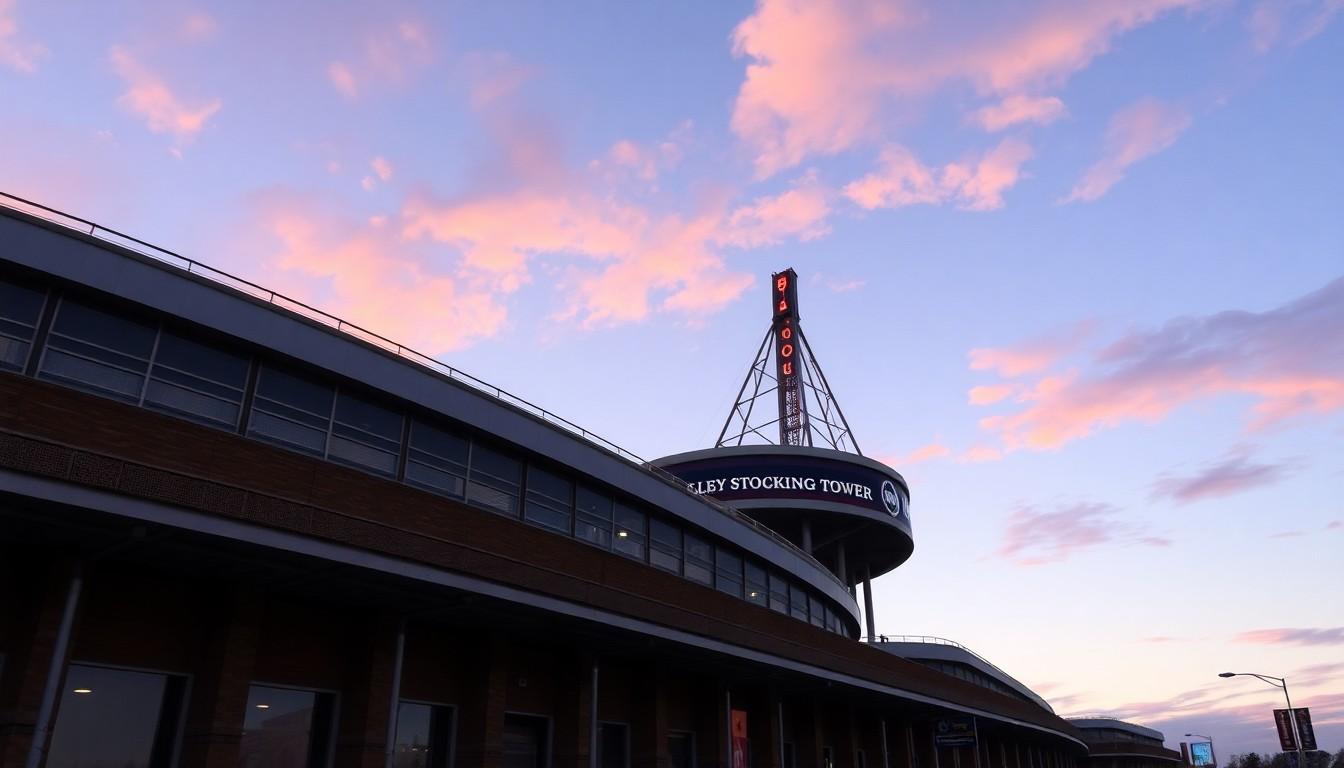
Shoppers, fans and activists turned up in force as Seattle hosted Egypt vs Iran with rainbow flags allowed in the stadium , a visual clash of culture and conscience that matters because sport and human rights keep colliding on the world stage.
- What happened: FIFA permitted rainbow flags at the Egypt–Iran match in Seattle, despite both teams' governments opposing LGBTQ+ messages.
- Local colour: Seattle’s Pride Festival filled the streets nearby, giving the match a loud, celebratory backdrop and a warm, inclusive atmosphere.
- Player and fan impact: The decision echoes past clashes over rainbow armbands and protests; fans felt relieved to show support, while squads were warned to avoid political messaging.
- Practical note: Expect tighter stewarding and clear guidance from organisers about permitted symbols; flags are OK but overt political banners could still be restricted.
- Emotional tone: The scene blended festival joy with sober reminders of the risks LGBTQ+ people face in some countries, making for a poignant, mixed-feeling evening.
FIFA’s stance: neutral but permissive , what that actually means
FIFA has insisted this isn’t an official tournament event, yet it also allowed rainbow flags into the Seattle stadium, creating a curious middle ground. The organisation is trying to steer a path between local authorities, fan expression and the realities of competing nations. The result is a practical compromise: fans can bring certain symbols, but teams were reminded to avoid overt political statements. For many supporters that felt like permission to celebrate openly; for others it felt like a half-measure that papered over deeper human-rights concerns.
Seattle: why this city made the moment louder
Seattle’s streets were already a swirl of colour for Pride, from plimsolls to placards, and that energy spilled into the match. The city’s progressive identity , home to tech giants, countercultural music history and visible LGBTQ+ leadership , made it a natural stage. Locals and visitors described the atmosphere as warm and noisy, with the scent of festival food and chants drifting toward the stadium. That local backdrop matters: a match here feels different than in a more conservative venue, because the crowd itself becomes part of the message.
Teams in conflict: Egypt and Iran’s objections and the wider diplomatic tangle
Both Egypt and Iran publicly objected to LGBTQ+ messaging, and those positions were clear long before kick-off. The teams entered a setting where their governments’ laws and attitudes stand in stark contrast to the colours waving in the stands. The match therefore felt politicised even if players tried to focus on football. This tension isn’t new , remember the debates in Qatar over rainbow armbands , but hosting games in cities that openly celebrate Pride ramps the stakes for federations, players and organisers alike.
What fans and organisers should know before they go
If you’re heading to a World Cup match that coincides with a Pride event, pack a flag if you want to make a small, visible point , but read the stadium rules first. Organisers will usually allow non-political symbols and small flags, while banning banners deemed explicitly political or provocative. Expect more stewards and clearer signage at Pride-adjacent fixtures. If you’re travelling from a country where LGBTQ+ expression is criminalised, take extra care: visibility in the stadium may feel safe, but risks can follow outside.
The legacy question: will this change how future host cities handle Pride moments?
Allowing rainbow flags in Seattle feels like a nudge toward normalising fan expression, but it won’t resolve the deeper disagreements between FIFA, host cities and national teams. The episode highlights a broader shift: tournaments increasingly intersect with local politics and social movements. Going forward, organisers may build clearer, pre-emptive policies to avoid confusion, while activists and federations keep testing the boundaries. For now, Seattle’s match stands as a vivid snapshot of sport’s uneasy, often heartfelt role in social debate.
It’s a small change that makes every flag in the stands speak a little louder.
Source Reference Map
Story idea inspired by: [1]
Sources by paragraph: