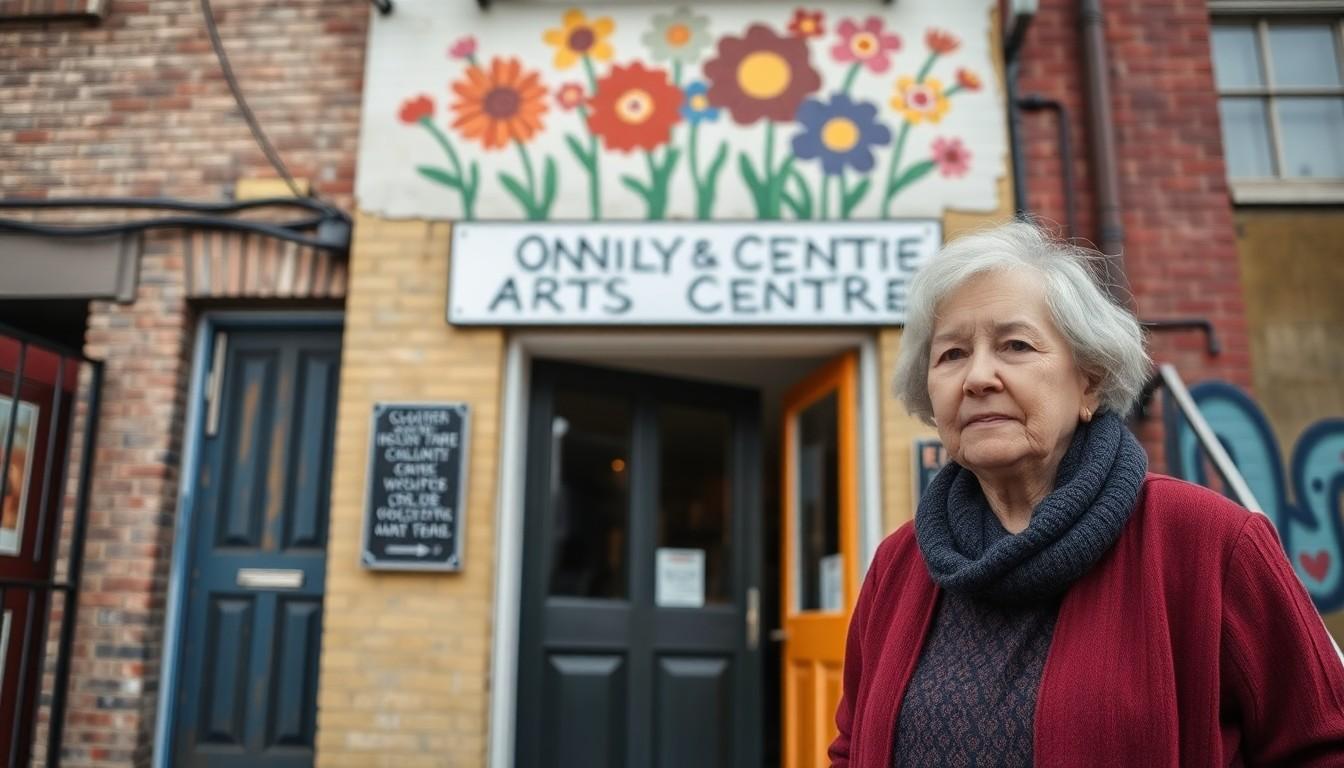
Notice how queer communities are turning inward to guard the small, lived environments that actually sustain joy , from bars and brunches to group chats and kitchens , because keeping those microclimates intact matters for survival, belonging and everyday flourishing.
Essential Takeaways
- Queer habitats matter: Physical and digital spaces like clubs, salons and chats act as protective microclimates where queer joy and identity can flourish.
- Infiltration is real: Heteronormative tourism and casual voyeurism can turn sanctuary into spectacle, leaving the most vulnerable exposed.
- Joy as method: Collective joy functions as a reparative practice that builds relational resilience and thickens communal protections.
- Self-preservation not exclusion: Safeguarding queer spaces is framed as community care and ecological defence, not reactionary gatekeeping.
- Practical tactics: Clear boundaries, shared norms, and explicit ally responsibilities help keep microclimates safe and sustaining.
Why queer microclimates are the everyday lifelines
Think of these places , a Sunday brunch, a late-night club, a private forum , as tiny ecosystems with their own weather. They feel warm, breathable and reparative when they work well; they allow people to lower their guards, recover from social storms, and practice a fuller way of being. According to environmental-identity scholarship, our connection to place isn’t some abstract love of pristine nature, it’s rooted in everyday social climates and feelings of safety. That’s why when socio-political hostility rises, the capacity to form restorative bonds to space collapses. Keeping microclimates intact matters because those are the sites where queer identity gets made, rehearsed and shared.
How heteronormative infiltration looks and why it hurts
This isn’t just about bad manners or awkward conversations; it’s a pattern. People socialised into cisheteronormative worlds may seek short, feel-good glimpses of queer life , a kind of therapeutic sampling , and treat queer spaces as laboratories for their own experimentation. The result can be performative curiosity, emotional labour extraction, or a conversion of refuge into a spectacle. Scholars show that spatial and social identities are shaped by power and policing, and when outsiders bring unexamined compliance with patriarchal norms into queer habitats, the sanctuary effect erodes. The impact is emotional fatigue for hosts and a dilution of the very practices that made those spaces healing.
Joy as an active, ecological practice
Call it method, ritual or plain old care: queer joy functions as a communal technology for survival. Within protected spaces, joy is not frivolous; it thickens the social membrane, enabling vulnerability and authenticity. When people can relax into shared joy, they build durable relational infrastructure , the sort that social psychologists link to improved mental health and stronger place attachment. Which is why the intrusion of commodifying tourism or voyeuristic interest isn’t neutral. It turns an active, healing practice into content for someone else’s fleeting leisure. Protecting joy is therefore a form of cultural and ecological stewardship.
Practical ways communities can protect their microclimates
There are simple, humane tools communities already use and can scale. Host codes of conduct at events and online groups; make expectations about privacy and ally behaviour explicit; designate queer-only hours or membership norms when needed; and train staff and organisers in de-escalation and boundary-setting. Remember that asking for boundaries isn’t rude , it’s preventive care. If you’re an ally, move beyond performative gestures: examine who you share intimate space with, call out bigotry in private and public, and accept that allyship requires consistently protecting queer people, not just appearing supportive at a parade.
What inclusion without cost looks like , and what it doesn’t
There’s a fine line between widening welcome and diluting sanctuary. Broad inclusion sounds lovely on a poster, but if it erases the special conditions that let queer people breathe, it becomes performative. Protecting spaces needn’t mimic exclusionary politics; it’s about thoughtful filtering, mutual consent, and prioritising the needs of those most at risk. Think in ecological terms: boundaries that filter toxins protect the core. That’s not closing doors for the sake of spite , it’s building an environment where joy can grow, seeds can be planted, and people can find the resilience to face a hostile wider climate.
It's a small shift with big returns: tend your queer microclimates and they’ll keep you safe long enough to dance, laugh and live.
Source Reference Map
Story idea inspired by: [1]
Sources by paragraph: