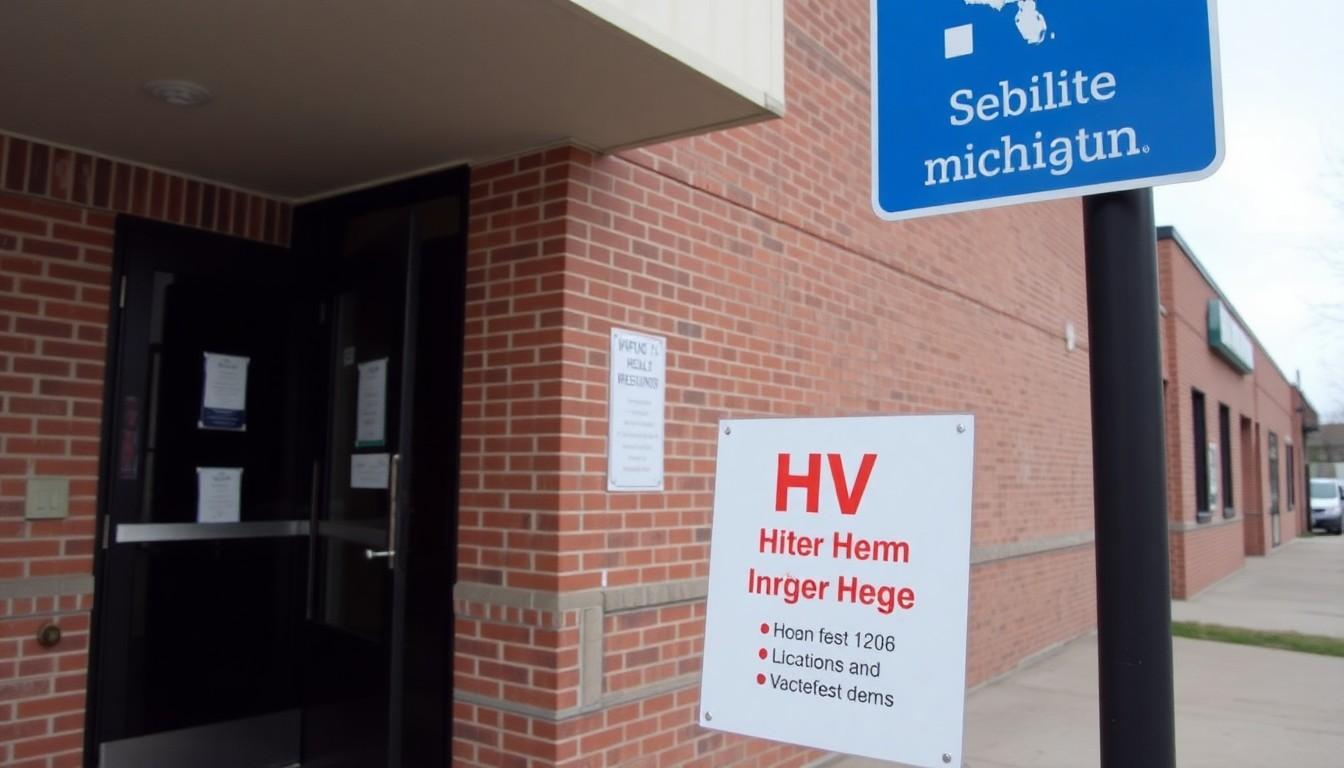
Shoppers and residents are being urged to check their status: Michigan health officials want everyone to use National HIV Testing Day on Saturday, 27 June to get tested, know their status, and access prevention or treatment where needed, testing is free or low-cost across the state.
Essential Takeaways
- Who should test: Everyone aged 13 and older should have at least one HIV test in their life; people with higher risk should test more often.
- Why it matters: About one in seven people with HIV nationally don’t know their status; early diagnosis leads to better health and stops onward transmission.
- What helps prevent HIV: Talk to a provider about PrEP if you test negative and are at risk; PrEP can prevent infection when taken as prescribed.
- Local access: Michigan lists free and reduced-cost testing sites and home test options, plus state support for treatment and prevention.
- Good news: Many living with HIV can reach viral suppression; undetectable means untransmittable (U=U).
A simple, powerful push: why Michigan is spotlighting testing
Michigan’s health department is urging residents to take advantage of National HIV Testing Day, and the message is straightforward: get tested, know your status, and act. The Centers for Disease Control and Prevention says roughly one in seven people living with HIV in the US are unaware of their infection, which makes testing the single most important step to reduce new cases. That’s a statistic that’s both quietly worrying and clearly fixable with better testing access and awareness.
How often should you test , and where to go
According to CDC guidance, HIV testing should be part of routine care for anyone 13 and older, with more frequent checks for people who have condomless sex or who inject drugs. Michigan has made it easy to find testing locations via Michigan.gov/HIVSTI, and services include walk-in clinic tests, community events, and free self-testing through programmes like TakeMeHome for eligible residents. If you’re unsure where to start, Michigan 211 will point you to local options.
Prevention beyond testing: PrEP and U=U explained
Testing isn’t just about diagnosis; it opens the door to prevention. If you test negative but are sexually active or at higher risk, ask your clinician about pre-exposure prophylaxis, or PrEP, daily medication that dramatically lowers the chance of acquiring HIV. For people diagnosed with HIV, effective antiretroviral therapy can suppress viral load to undetectable levels, and U=U means someone who is undetectable cannot sexually transmit the virus. That combination of prevention and treatment is why health officials say a large share of new infections could be averted.
Michigan’s plan to cut new infections by 90% by 2030
The state’s Ending HIV Together: Michigan’s Equitable Plan aims to reduce new HIV infections by 90% by 2030 through better diagnosis, treatment, prevention, and coordinated care. That means boosting testing, reducing stigma so people feel safe seeking services, and knitting together public health, clinics, and community groups. It’s an ambitious target, but practical steps, more testing sites, outreach, and easier access to PrEP, make it achievable.
Practical tips for getting tested this weekend
If you’re planning to test on National HIV Testing Day, bring ID if you have it, ask about confidentiality policies, and consider whether you want rapid testing (results in under an hour) or lab tests. If you test positive, the clinic can link you to treatment the same day or advise on next steps; if you test negative, talk about PrEP and routine retesting schedules. And if you prefer privacy, look into the free self-test options available through state programmes.
It’s a small, simple action with big effects, get tested, get informed, and help keep your community healthier.
Source Reference Map
Story idea inspired by: [1]
Sources by paragraph: